


Veterinary technicians play a crucial role in animal healthcare, working alongside veterinarians to provide quality care for animals in clinics, hospitals, shelters, and research facilities. The increasing demand for trained vet techs has led to a growing interest in flexible educational options, especially online programs. One of the most notable among these is the Penn Foster Vet Tech Program, which offers an associate degree entirely online. But the question remains: is it really worth it?
TL;DR
The Penn Foster Vet Tech Program is an accredited, flexible, and affordable way to become a veterinary technician. It’s ideal for self-motivated learners who need to balance education with work or personal obligations. While the program has its challenges—especially in its clinical requirements—it offers a legitimate path to becoming a credentialed vet tech. However, prospective students should carefully consider their commitment and readiness to manage an online learning format before enrolling.
What is the Penn Foster Vet Tech Program?
Penn Foster College offers a fully online Associate of Science in Veterinary Technician degree designed to prepare students for a career in veterinary technology. The program is one of only a few distance learning options in the United States that is accredited by the American Veterinary Medical Association (AVMA), which is essential for graduates who want to take the Veterinary Technician National Exam (VTNE).
The courses cover a comprehensive scope including:
- Anatomy and Physiology
- Pharmacology
- Animal Nutrition
- Surgical Nursing
- Clinical Procedures
In addition to the academic coursework, students are required to complete clinical externships at approved veterinary facilities. These externships are divided into two main phases and are an essential part of the program, ensuring that students get hands-on experience with real animals and medical equipment.
Accreditation and Certification
The most important feature that sets the Penn Foster Vet Tech Program apart from many other online options is its AVMA accreditation through the Committee on Veterinary Technician Education and Activities (CVTEA). This distinction enables graduates to sit for the VTNE, which is required to become a registered, licensed, or certified veterinary technician in most states.
This means that Penn Foster is not a diploma mill or a non-credible online course. It meets the educational standards recognized by veterinary medical boards across the United States.
Program Structure and Delivery
The degree requires the completion of four semesters which students typically complete in two to four years, depending on their pace. Since courses are self-paced, students can progress more quickly if they have the time and motivation.
Each course includes video lectures, digital textbooks, online exams, and practical assignments. While the program is online, the clinical components must be completed in person. Penn Foster assists students in finding local clinics that are willing to supervise and evaluate their progress during externships.
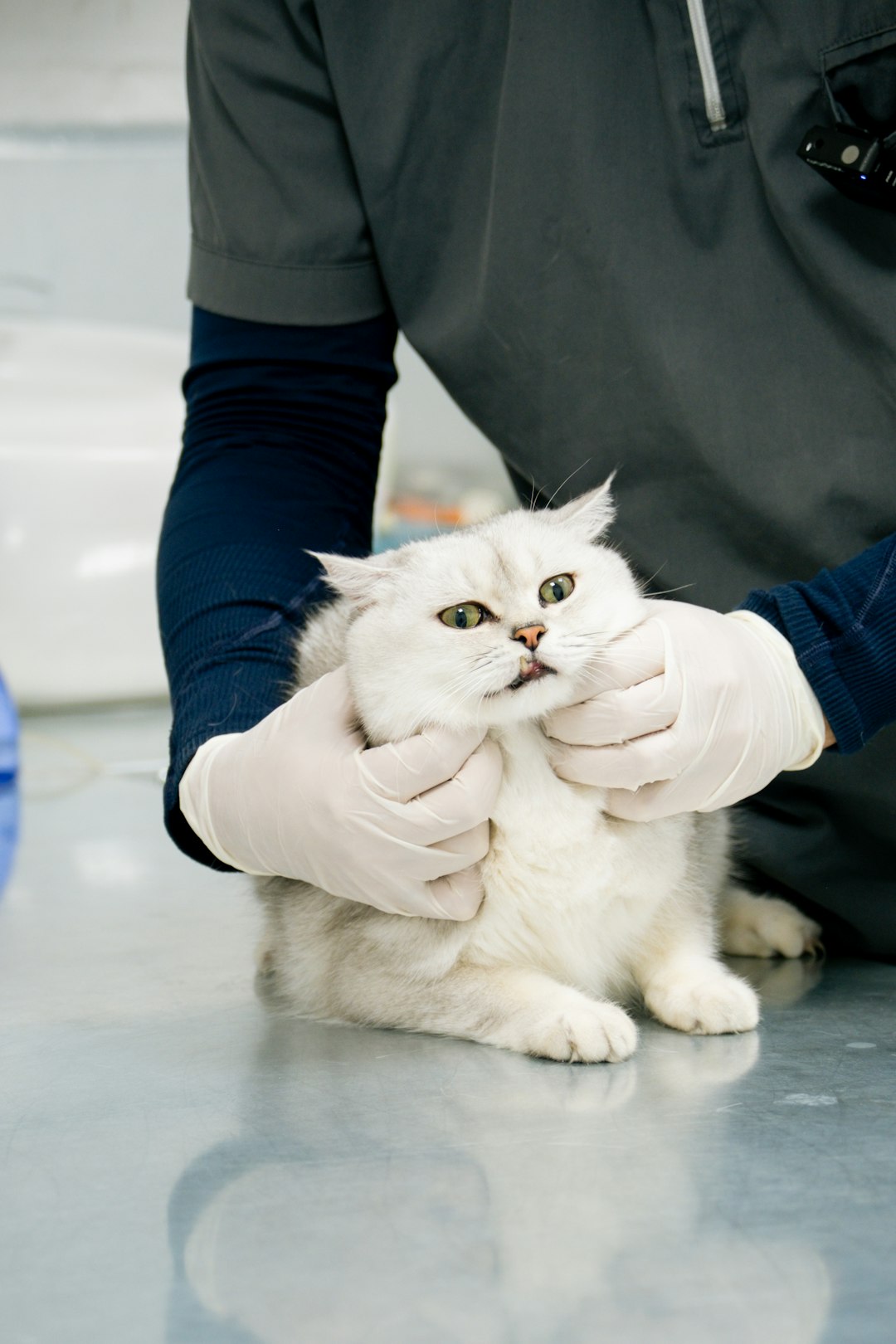
Pros of the Penn Foster Vet Tech Program
1. Flexibility: One of the greatest benefits is the ability to study on your own schedule. This makes the program ideal for those who may be working full-time, taking care of family, or living in rural areas without nearby vet tech schools.
2. Cost-Effective: Tuition is significantly lower than traditional programs. Students pay in installments, and the total cost is usually under $10,000 for the degree. This makes it one of the most affordable accredited vet tech programs available.
3. AVMA Accreditation: This alone gives the program validity and allows graduates to become licensed professionals through the VTNE.
4. Learning Resources: The Penn Foster Student Portal includes interactive learning tools, forums, webinars, and access to instructors for support.
Cons of the Program
1. Self-Motivation Required: Students must be extremely disciplined and capable of working independently. Unlike in traditional schools, there’s no professor or peer group to regularly push progress.
2. Clinical Externship Challenges: Finding a veterinary clinic willing to supervise your clinical work can be difficult, depending on your location. Not all clinics are aware of the program, and some may not be willing to take on students without compensation.
3. Limited Peer Interaction: Learning online can be isolating, especially in a hands-on, practical field like veterinary technology. Although online forums exist, they’re not a replacement for in-person collaboration and mentorship.
4. VTNE Pass Rates: According to current data, Penn Foster’s VTNE pass rate is lower than the national average. This doesn’t necessarily mean their instruction is inferior, but it might reflect the variability in student preparation and the demands of online learning.

Who Should Consider This Program?
The Penn Foster Vet Tech Program is best suited for:
- Highly motivated individuals who can manage their own study schedules without external supervision.
- People who live in areas without access to an in-person vet tech program.
- Working adults or parents looking for career advancement without quitting their current jobs.
- Budget-conscious students looking for a recognized, affordable educational pathway into veterinary medicine.
It may not be the best fit for someone who needs face-to-face support, thrives on group interaction, or struggles with staying organized and on task without direct supervision.
Student Reviews and Real-World Outcomes
The program receives mixed but generally positive reviews. Many students praise its affordability and flexibility. However, others note the difficulty of certain courses and the time-consuming nature of the externships. Additionally, Penn Foster graduates have successfully gone on to jobs at animal hospitals, shelters, and even to further study in veterinary medicine or specialty fields.
Across different review sites, the most common themes are:
- “Challenging but rewarding”
- “Real-world applicable skills”
- “Hard to coordinate externships”
- “Requires self-discipline”
Comparison to Traditional In-Person Programs
In-person vet tech programs usually offer a more structured environment, direct access to instructors, and integrated clinical training—sometimes even on-site. However, these programs are also more expensive and less flexible.
Penn Foster is more scalable for individuals needing asynchronous access, but the tradeoff is the added responsibility of managing your own schedule and finding your own externship placements.
Is the Program Worth It?
Yes—if you’re disciplined and understand the nature of online learning. The program provides a real opportunity for students who don’t have local access to vet tech schools. Its AVMA accreditation means that it leads to real credentials and job opportunities.
However, it’s not a shortcut or an easier route. Students must commit significant time and effort, especially to complete the required clinical hours successfully. As one student put it, “You get out of it what you put into it.”
Final Thoughts
The Penn Foster Vet Tech Program is a serious academic commitment that offers a flexible and affordable pathway into veterinary healthcare. It’s not for everyone, but it can be a perfect match for motivated individuals seeking an alternative to traditional education. As with any major decision, prospective students should thoroughly research, prepare, and consider whether they have the time, discipline, and passion for animal care required to make the most of the program.
Veterinary technology is more than a job—it’s a calling. If the Penn Foster Vet Tech Program aligns with your goals and capabilities, it could be the stepping stone to a fulfilling career helping animals and supporting veterinary teams across the country.



Pay Per Click Landing Page: How to Create a PPC Landing Page That Matches Search Intent, Improves Relevance, and Increases Conversion Rates
Build your PPC landing page around the searcher’s exact goal, not around everything your company does. If someone clicks an…