


Every morning, millions of people wake up and do the same small ritual. They grab coffee. They check their phones. And they open a simple grid with five empty boxes. No flashing lights. No loud music. Just letters. This is Wordle, the tiny word game that became a giant global habit.
TL;DR: Wordle is a simple daily word puzzle with one five-letter answer each day. Players have six tries to guess the word using color hints. Its simplicity, shareable results, and once-a-day format made it explode in popularity. What started as a small love project turned into a worldwide routine enjoyed by millions.
Wordle looks basic. Almost plain. But that is its magic. It proves that you do not need complex graphics or long tutorials to capture the world’s attention. You just need a clever idea.
Let’s break it down.
What Is Wordle?
Wordle is an online word puzzle. The goal is simple. Guess a five-letter word. You get six tries.
After each guess, the letters change color:
- Green means the letter is correct and in the right spot.
- Yellow means the letter is in the word but in the wrong spot.
- Gray means the letter is not in the word at all.
That’s it. No timers. No points. No ads blinking in your face. Just logic and vocabulary.
Image not found in postmetaThe beauty is in its limits. One word per day. The same word for everyone. You cannot play ahead. You cannot binge ten rounds. When you are done, you wait until tomorrow.
It feels small. But that small detail changed everything.
The Story Behind the Puzzle
Wordle was created by a software engineer named Josh Wardle. Notice the name. Wardle. Wordle. Yes, it is a playful twist.
He built the game in 2021 for his partner, who loved word puzzles. It was not meant to go viral. It was personal. Quiet. Just for fun.
At first, only a few friends and family members played it. There was no big marketing campaign. No celebrity endorsements. No expensive launch.
Then something unexpected happened.
Players discovered they could share their results. Not the word itself. Just a grid of colored squares. Like this:
🟩🟨⬜⬜⬜
🟩🟩⬜🟨⬜
🟩🟩🟩🟩🟩
No spoilers. Just colored boxes.
Curious people saw these patterns on social media. They asked questions. They joined in. Within weeks, Wordle exploded.
From a few dozen players, it jumped to thousands. Then millions.
Why Did It Become So Popular?
Many games try to go viral. Few succeed. Wordle did. Why?
1. It Is Easy to Learn
You can explain the rules in under a minute. Guess a word. Watch the colors. Try again. Anyone who knows basic English can start immediately.
2. It Is Short
One puzzle takes about five minutes. Sometimes less. It fits into busy lives. You can play during breakfast. On a bus. While waiting in line.
3. It Is Once a Day
This is important. Many apps want your constant attention. They send notifications. They beg you to return.
Wordle does the opposite. It says, “See you tomorrow.”
This creates anticipation. It builds routine. It feels special.
4. Everyone Gets the Same Word
This might be the most powerful feature. The word on Monday is the same for players in New York, London, and Sydney.
That creates community.
People talk about the puzzle at work. In classrooms. On social media. It becomes a shared daily experience.

5. It Feels Smart
Solving Wordle makes you feel clever. You use logic. You test patterns. You narrow down options.
Even when you fail, you want to try again tomorrow.
The Psychology of Five Letters
Five letters is a sweet spot.
Three might be too easy. Seven might be too hard. Five feels just right.
There are thousands of possible five-letter words. But not so many that it becomes overwhelming.
Each guess gives information. Your brain loves information. It loves solving patterns. Wordle feeds that desire in small, satisfying bites.
There is also the joy of deduction. If a letter turns green, your brain says, “Progress!” If it turns gray, your brain says, “Good. Eliminate it.”
It feels like solving a tiny mystery every day.
From Hobby to Headline News
In early 2022, Wordle became so popular that major news websites wrote about it daily. Strategies were debated. Starting words were analyzed.
Some players swore by words heavy on vowels, like “AUDIO.” Others preferred balanced mixes like “CRANE” or “SLATE.”
Soon, The New York Times bought Wordle.
The purchase made headlines around the world. A simple love project had turned into a global product.
Many fans worried at first. Would it change? Would it hide behind a paywall?
But the core game stayed the same. Clean. Simple. Five letters.
A New Daily Ritual
Wordle became more than a game. It became a habit.
Habits are powerful. They shape our days.
Think about common routines:
- Morning coffee
- Checking the weather
- Reading headlines
- Scrolling social media
For many people, Wordle joined that list.
It offered a calm break from endless news and notifications. A quiet puzzle in a noisy world.
In stressful times, this mattered. A small win each morning felt good.
The Rise of Wordle Clones
Success brings copies.
After Wordle went viral, the internet filled with spin-offs:
- Quordle – Solve four puzzles at once.
- Heardle – Guess songs from short audio clips.
- Worldle – Guess countries by their shape.
- Nerdle – Solve math equations instead of words.
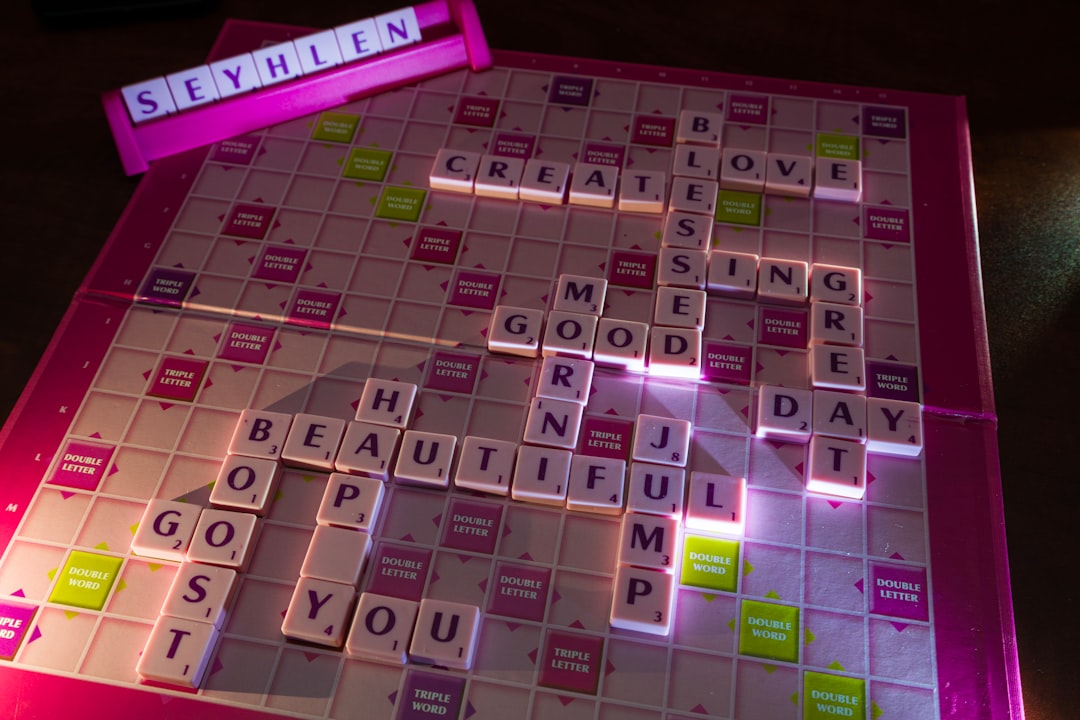
The format was flexible. The idea was strong. Simple guess. Limited tries. Daily challenge.
Wordle became its own mini-genre.
Strategy and Skill
Some people play casually. Others treat Wordle like a science.
Common tips include:
- Start with a word that has many vowels.
- Avoid repeating gray letters.
- Use early guesses to gather information, not just to win fast.
- Look for common letter patterns like “TH,” “CH,” or “SH.”
But luck still plays a role. Sometimes the word is unusual. Sometimes it surprises everyone.
And that unpredictability keeps it interesting.
Why Simplicity Wins
Wordle teaches an important lesson. Bigger is not always better.
Many modern apps try to hold attention with endless content. Infinite scrolling. Constant updates.
Wordle does one thing. And it does it well.
It respects your time. It respects your brain. It gives you a puzzle and steps aside.
That simplicity feels refreshing.
The Social Media Effect
The colored grid was genius. It allowed sharing without spoilers.
It also created curiosity. The emoji blocks stood out in feeds full of text and photos.
Soon, timelines were filled with green and yellow squares. It felt like a secret code everyone suddenly understood.
People compared scores. They celebrated solving a tough word in two tries. They groaned over failing on the sixth.
But because there was no leaderboard, competition stayed friendly.
It was about participation, not domination.
Wordle’s Cultural Impact
Few word games have reached this level of fame. Wordle appeared in classrooms. Teachers used it to discuss vocabulary and logic.
It appeared in offices as an icebreaker. “Did you get it today?” became a common question.
Late-night shows joked about it. Newspapers analyzed it.
And for a brief moment, five-letter words became front-page news.
Will It Last?
Internet trends come and go. Many viral games fade fast.
But Wordle has something special. It is not loud. It is not aggressive. It fits naturally into daily life.
Even if the hype slows, the routine may remain.
After all, people have enjoyed crosswords and Sudoku for decades. Wordle feels like their modern cousin.
Five Letters, Big Legacy
Wordle started as a gift. A simple act of love. It grew into a shared global ritual.
It reminds us that technology does not have to be overwhelming. It can be gentle. Focused. Human.
Five letters. Six tries. One word a day.
In a world of endless noise, that small structure brought millions together. And every morning, when the new puzzle appears, the ritual begins again.
Green, yellow, gray. Think. Guess. Smile. See you tomorrow.



Why Is a VPN Important When Working Remotely? VPN vs ZTNA and Secure Remote Access Alternatives
A VPN matters for remote work because it encrypts traffic, hides risky connections, and gives employees safer access to company…