
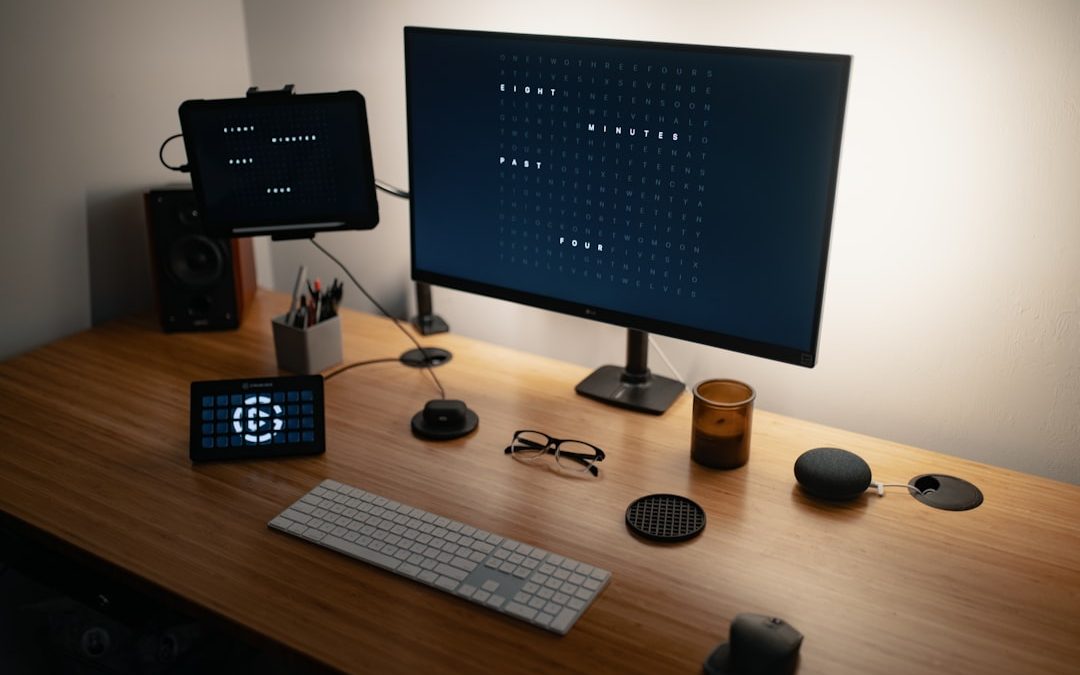

Independent game designers thrive on speed, experimentation, and creative freedom. Unlike large studios bound by corporate pipelines and layered approval processes, indie creators often work with limited budgets and smaller teams. To compete in a fast-moving market, they rely heavily on alternative design tools that allow them to prototype ideas quickly, test mechanics efficiently, and iterate without excessive overhead. These tools help transform raw concepts into playable experiences in days or even hours rather than months.
TLDR: Indie game designers prioritize rapid prototyping to test ideas before full development. They rely on six powerful alternative design tools—visual scripting platforms, modular asset kits, game jams and template frameworks, no code engines, collaborative whiteboarding tools, and procedural generators—to move faster and experiment more freely. By reducing technical barriers and streamlining iteration, these tools help indie developers validate concepts early and minimize costly mistakes. Speed and adaptability are their greatest competitive advantages.
1. Visual Scripting Platforms for Rapid Experimentation
Visual scripting tools such as Unreal Engine’s Blueprints and Unity’s Bolt (now integrated into Unity’s visual scripting system) allow developers to build gameplay systems without writing extensive lines of code. For indie developers who may not have a dedicated programmer, this dramatically lowers the barrier to entry.
Visual scripting systems function through node-based logic structures. Designers connect blocks that represent functions like movement, collision, or user input. The result is a quick, logical flow that mirrors traditional programming but is more accessible.
- Faster iteration cycles: Designers can modify gameplay logic instantly.
- Lower technical skill requirement: Artists and designers can prototype independently.
- Immediate feedback: Real-time testing speeds up debugging.
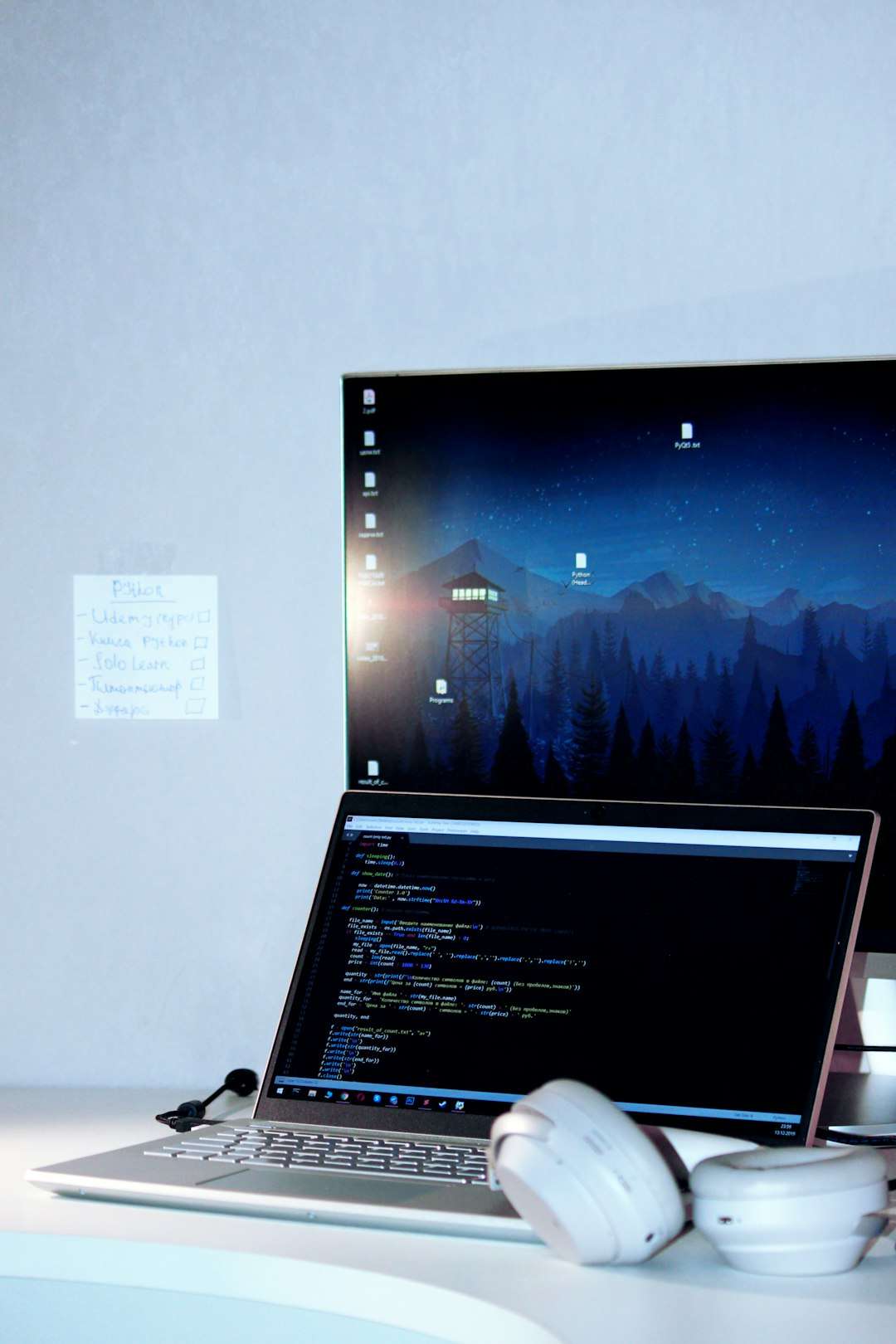
By avoiding lengthy compile times and debugging sessions common in full code environments, indie creators reduce friction between imagination and execution. This empowers them to validate gameplay concepts quickly before investing deeper resources.
2. Modular Asset Kits for Instant Environment Building
Creating art assets from scratch can consume significant development time. To accelerate prototyping, indie designers often rely on modular asset kits. These pre-made collections of characters, environments, and interactable objects allow rapid scene construction without waiting for final art production.
Instead of crafting a complete fantasy dungeon tile by tile, for instance, a designer can assemble walls, floors, props, and lighting from an asset pack within hours.
- Time savings: Immediate visual representation of gameplay concepts.
- Cost efficiency: Reduced need for in-house art production early on.
- Easy replacement: Placeholder assets can later be swapped with custom art.
This approach keeps development focused on gameplay systems first. Once the mechanics prove engaging, designers can invest in polishing visuals. For many indie teams, separating gameplay validation from artistic refinement prevents wasted effort.
3. Game Jam Frameworks and Templates
Game jams have profoundly influenced indie development culture. These short, intensive events—lasting anywhere from 24 hours to a week—encourage developers to build playable games in a compressed timeframe. To succeed, participants use streamlined frameworks and templates that provide foundational systems like movement, UI, or physics.
Indie designers carry this mindset into professional projects by maintaining reusable prototype templates. These frameworks serve as launchpads for new ideas.
- Pre-built controllers: Character movement and camera systems ready to adapt.
- Basic UI structures: Menus and HUD systems to test interaction.
- Physics presets: Standardized handling for platformers or shooters.
By reusing proven components, designers avoid rebuilding the same systems repeatedly. Instead, they focus on innovation—whether that’s a unique combat mechanic, puzzle design, or narrative twist.
The game jam philosophy emphasizes iteration over perfection. Indie designers who embrace this mindset consistently release prototypes faster and refine ideas through testing rather than speculation.
4. No Code Game Engines
No code platforms such as Construct, GameSalad, and certain features within Roblox Studio allow creators to design functional games without traditional programming. These engines typically use rule-based systems where conditions and actions define behavior.
For indie designers who specialize in storytelling, art, or systems design rather than software engineering, no code tools dramatically increase productivity.
- Accessibility: Minimal technical knowledge required.
- Rapid deployment: Publish builds quickly across platforms.
- Focus on design: Core mechanics and user experience take priority.
Many successful indie titles began as no code or low code prototypes. Once the gameplay loop proved compelling, developers either enhanced the system or migrated to more advanced engines. The key benefit lies in quickly determining whether an idea deserves full production.
5. Collaborative Whiteboarding and Wireframing Tools
Prototyping does not always begin inside a game engine. Indie teams increasingly rely on digital whiteboarding tools such as Miro, Figma, or Milanote to conceptualize mechanics visually. These platforms allow teams to sketch flowcharts, map player journeys, and define system loops before committing to development.
Pre-development prototyping ensures that everyone shares a unified vision. Designers can:
- Map progression systems: Visualize leveling paths and rewards.
- Outline interaction flows: Reduce friction in user experience.
- Test theoretical mechanics: Identify design flaws before coding.
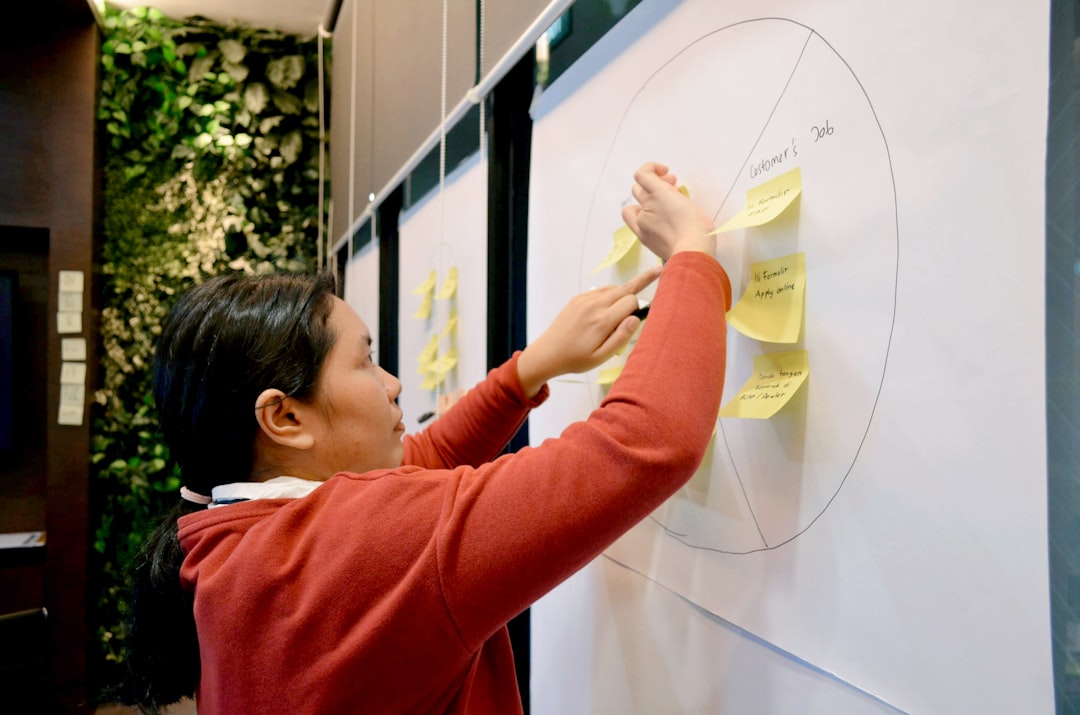
This design-first approach reduces wasted technical effort. When mechanics are logically sound on paper or screen, implementation becomes more focused and efficient. Collaboration tools also enable remote indie teams to work seamlessly across time zones.
6. Procedural Generation Tools
Procedural generation software allows designers to create expansive content quickly by using algorithms to generate levels, terrain, and even storytelling elements. Tools like Houdini and built-in engine generators empower small teams to build worlds that would otherwise require extensive manual labor.
For prototyping, procedural generation offers distinct advantages:
- Quick content scaling: Populate large spaces instantly.
- Replayability testing: Evaluate how randomization affects gameplay.
- Automated variation: Reduce repetitive manual creation.
Indie designers often prototype procedural mechanics early to ensure systems remain balanced. Testing multiple randomized environments reveals weaknesses in level design, combat pacing, or progression systems well before formal launch.
Why Alternative Tools Matter for Indie Success
The indie game ecosystem rewards agility. With digital distribution platforms saturating the market, developers cannot afford years-long production cycles without validation. Alternative prototyping tools minimize risk by emphasizing speed and experimentation.
Key advantages include:
- Lower financial risk by validating ideas early.
- Creative freedom through quick iteration.
- User feedback integration during early development phases.
Instead of spending months polishing a feature that players may not enjoy, indie teams test minimal viable versions. If user feedback supports the concept, they refine and expand. If not, they pivot quickly.
This philosophy aligns with lean development practices found in startups. Build, measure, learn—then repeat. Alternative design tools serve as accelerators for that feedback loop.
The Cultural Shift Toward Rapid Prototyping
Modern indie designers operate in a world where player expectations evolve rapidly. Innovations spread quickly through social media and streaming platforms. To stay relevant, creators must prototype unusual gameplay ideas before trends move on.
Speed does not imply cutting corners. Instead, it means validating creativity efficiently. The ability to explore ten ideas in the time it once took to finalize one separates resilient studios from struggling ones.
By combining visual scripting, modular assets, frameworks, no code engines, collaborative design platforms, and procedural generators, indie developers effectively construct a personalized toolkit tailored to their strengths. This modular workflow permits focus where it matters most: building engaging experiences players love.
Frequently Asked Questions (FAQ)
-
1. Why is rapid prototyping important for indie game designers?
Rapid prototyping allows indie developers to test gameplay mechanics early, gather feedback, and minimize financial risk. It ensures that development resources focus on concepts that resonate with players. -
2. Are no code tools suitable for professional indie games?
Yes. Many successful indie titles began on no code or low code platforms. While some projects may transition to more advanced engines later, no code tools are highly effective for early validation and even full releases. -
3. How do modular asset kits impact originality?
While asset kits are commonly used for placeholders, most indie developers replace them with custom art later. During prototyping, originality in mechanics takes priority over visuals. -
4. What is the biggest benefit of visual scripting tools?
Visual scripting reduces technical barriers and enables designers or artists to iterate directly on gameplay systems without deep programming expertise. -
5. Can solo developers realistically use all six tools?
Yes. Many solo developers combine several of these tools depending on project scope. The choice depends on skill set, budget, and development goals. -
6. Do alternative design tools replace traditional programming?
Not entirely. They complement traditional development by accelerating early stages. More complex systems may eventually require custom coding.
Ultimately, alternative design tools empower indie creators to innovate without hesitation. By embracing speed, iteration, and experimentation, they transform ambitious ideas into playable realities faster than ever before.


GTM Teams: Clay vs Common Room and Other Platforms for Building an AI-Powered Go-to-Market Team
Pick Clay if your GTM team needs smarter outbound. Pick Common Room if your team sells to communities, product users,…