

Parking lots can be chaotic. Cars circle around. Drivers get frustrated. Rules get ignored. And parking officers feel the pressure. But modern problems need modern solutions. That is where smart parking enforcement tools come in. They make life easier for cities, businesses, and drivers.
TLDR: Parking enforcement tools help improve compliance and make operations faster and more accurate. From license plate recognition to mobile apps, today’s tools reduce manual work and increase transparency. They cut down on errors and boost revenue collection. Most importantly, they create a smoother parking experience for everyone.
Let’s break down six powerful tools that are transforming the way parking enforcement works.
1. License Plate Recognition (LPR) Systems
This is one of the biggest game changers.
License Plate Recognition, or LPR, uses cameras and software to scan vehicle plates. It instantly checks them against a parking database. No manual plate writing. No guesswork.
Here’s how it helps:
- Speeds up patrol time
- Reduces human error
- Improves accuracy of violations
- Tracks repeat offenders
An officer can drive through a lot while the camera does the scanning. In seconds, the system knows which cars are paid and which are not.
That means fewer mistakes. And fewer disputed tickets.
LPR also improves compliance. Drivers know the system works fast. That encourages them to follow the rules.
Efficiency goes up. Costs go down. That’s a win-win.
2. Handheld Ticketing Devices
Remember the old paper ticket books? Slow. Easy to lose. Hard to track.
Handheld ticketing devices are small mobile computers. Officers carry them during patrol. They connect to real-time databases.
Benefits include:
- Instant violation lookup
- Real-time fine calculation
- Digital photo evidence
- Immediate ticket printing
No need to return to the office to sync data. Everything updates automatically. That improves productivity.
Plus, digital records are clear. They include time stamps and photos. This reduces disputes and increases transparency.
Officers spend less time on paperwork. More time on active enforcement.
3. Parking Management Software
Think of this as the brain behind the system.
Parking management software stores all enforcement data in one place. It tracks violations, payments, permits, and analytics.
It allows administrators to:
- Monitor enforcement activity
- Generate revenue reports
- Identify problem areas
- Adjust policies quickly
Instead of guessing where issues happen, managers can see real data. Maybe one street has frequent overstays. Another lot might have unusually low compliance.
Data helps leaders make smarter decisions.
It also streamlines communication between teams. Everyone accesses the same system. That reduces confusion.
4. Mobile Payment and Pay-by-Plate Apps
Compliance improves when payment is simple.
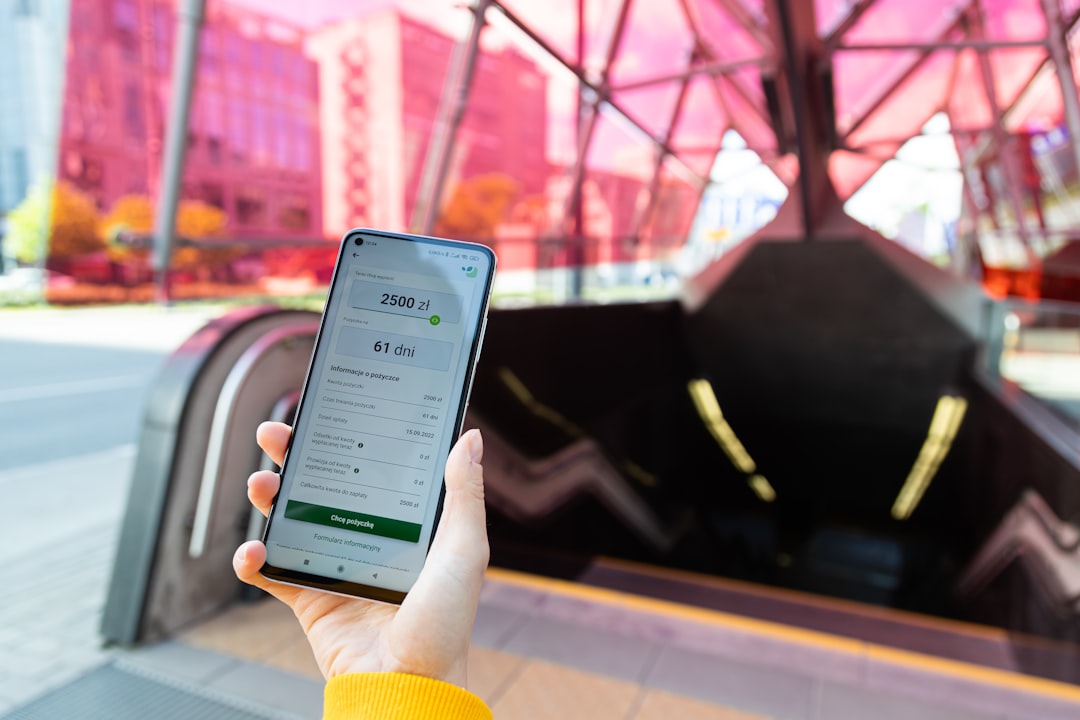
Mobile parking apps allow drivers to pay from their phones. They can extend time without running back to the meter.
That reduces accidental violations.
Common features include:
- Plate-based payments
- Time extension alerts
- Digital receipts
- Secure payment processing
When drivers receive reminders before their time expires, they are more likely to comply.
For enforcement teams, pay-by-plate systems are easier to monitor. There are no paper tickets on dashboards. Officers simply scan plates to confirm payment.
The result? Faster checks. Higher compliance. Happier drivers.
5. Smart Parking Sensors
Imagine knowing exactly which parking spaces are occupied in real time.
That’s what smart parking sensors do.
These small devices are installed in pavement or mounted above spaces. They detect whether a vehicle is present.
They provide:
- Real-time occupancy data
- Overstay alerts
- Heat maps of usage
- Improved space turnover
Sensors alert enforcement teams when a car overstays. No need for manual chalking of tires. No need to guess arrival time.
This tool boosts fairness. Every driver is monitored the same way. That builds public trust.
It also improves efficiency. Officers go directly to high-priority violations.
6. Automated Permit Management Systems
Permits can be complicated. Residential zones. Employee passes. Temporary guest permits.
Manual systems make tracking difficult.
Automated permit management systems digitize the entire process. Permits are linked to license plates. No physical stickers required.
Advantages include:
- Online applications and renewals
- Instant approval workflows
- Digital records
- Seamless LPR integration
Residents apply online. Approval takes minutes instead of days. Officers verify permits by scanning plates.
No more scratching off old stickers. No more counterfeit passes.
Automation saves time for both administrators and drivers. And it increases compliance because the process is simple.
Comparison Chart: Parking Enforcement Tools
| Tool | Main Function | Boosts Efficiency | Improves Compliance | Best For |
|---|---|---|---|---|
| License Plate Recognition | Automated plate scanning | High | High | City patrols and large lots |
| Handheld Ticketing Devices | Digital violation issuing | High | Medium | On foot enforcement |
| Parking Management Software | Centralized data control | High | Medium | Administrative offices |
| Mobile Payment Apps | Driver payment platform | Medium | High | Public parking zones |
| Smart Sensors | Occupancy detection | High | High | Busy urban areas |
| Permit Management Systems | Digital permit tracking | Medium | High | Residential zones |
Why These Tools Work Better Together
Each tool is powerful alone. But together they create a full ecosystem.
For example:
- LPR scans plates.
- Software checks permits.
- Sensors detect overstays.
- Handheld devices issue tickets.
- Apps collect payments.
Everything connects.
This integration reduces gaps in enforcement. Drivers cannot exploit loopholes. Officers do not waste effort.
That means better rule compliance. And better public perception.
The Human Side of Technology
Some people worry that automation removes the human touch.
But in reality, these tools help officers focus on people, not paperwork.
Instead of spending hours writing reports, they can:
- Assist confused drivers
- Improve traffic flow
- Respond to urgent violations
Technology handles repetitive tasks. Humans handle judgment and service.
That is a smarter balance.
Final Thoughts
Parking enforcement does not have to be stressful. It does not have to be slow. And it definitely does not have to be outdated.
Modern tools bring speed. Accuracy. Transparency. Convenience.
From license plate recognition to digital permits, these six tools dramatically improve compliance and efficiency.
Drivers benefit from better systems. Officers benefit from smarter workflows. Cities benefit from improved revenue and smoother traffic.
When parking enforcement works well, no one really notices it. And that’s the goal.
Simple systems. Clear rules. Smart technology.
That’s how you turn parking chaos into parking control.

How to Use Rufus and Ventoy to Install Windows 10 or Windows 11 from an ISO File
Rufus is best for one Windows ISO, while Ventoy is best when a user wants several ISOs on one USB…