


Mobile marketing has transformed how brands connect with users, but understanding which campaigns actually drive installs, engagement, and revenue is a far more complex challenge. With users interacting across multiple channels—social media, search ads, influencer content, display networks, and email—marketers need precise tools to determine what works. This is where mobile attribution platforms step in, offering structured data, unified tracking, and performance insights that turn guesswork into measurable strategy.
TL;DR: Mobile attribution platforms help marketers track and measure which campaigns, ads, and channels drive app installs and in-app actions. They use technologies like device identifiers, deep linking, and probabilistic modeling to assign credit to specific touchpoints. These tools improve budget allocation, prevent fraud, and support data-driven growth strategies. Without mobile attribution, scaling campaigns becomes inefficient and unpredictable.
What Is Mobile Attribution?
Mobile attribution is the process of identifying which marketing touchpoint caused a user to install an app or complete a desired action. When a user sees an ad, clicks on it, installs an app, and later makes a purchase, attribution platforms connect those events to give credit to the right campaign.
Unlike web analytics, mobile attribution deals with additional technical hurdles:
- App store redirects between ad click and install
- Device-level tracking limitations
- Privacy regulations like GDPR and ATT (App Tracking Transparency)
- Multiple devices per user
Mobile attribution platforms bridge these gaps by using unique identifiers, SDKs (Software Development Kits), and advanced modeling methods to ensure accurate measurement.
Why Campaign Measurement Matters More Than Ever
Marketing budgets are under constant scrutiny. Growth teams must prove ROI quickly and repeatedly. Without reliable attribution, marketers face several risks:
- Overinvesting in underperforming channels
- Underestimating high-value traffic sources
- Falling victim to ad fraud
- Misaligning user acquisition with long-term retention goals
Mobile attribution platforms solve these challenges by offering granular, real-time insights. Instead of asking, “Did this campaign work?” teams can ask, “Which creative delivered the highest LTV users from this region on this device type?”
How Mobile Attribution Platforms Work
At a high level, the process follows three major steps:
1. Tracking the Engagement
When a user clicks or views an ad, the attribution platform records the interaction using tracking links or embedded identifiers.
2. Matching the Install
Once the app is installed and opened, the platform’s SDK sends install data back to its servers. The system then matches this install to a recorded ad interaction.
3. Assigning Credit
The platform applies an attribution model—such as last-click, multi-touch, or view-through—to assign credit appropriately.
Depending on privacy settings and platform policies, attribution platforms may use:
- Deterministic matching: Device IDs or exact identifiers
- Probabilistic modeling: Statistical patterns when identifiers are unavailable
- SKAdNetwork data: For Apple privacy-compliant attribution
Common Attribution Models
Choosing the correct attribution model significantly affects campaign interpretation.
- Last-click attribution: Gives all credit to the final touchpoint before install. Simple but limited.
- First-click attribution: Rewards the initial interaction that introduced the user.
- Multi-touch attribution: Distributes credit across several interactions.
- View-through attribution: Assigns value to impressions without clicks.
Each model serves different strategic purposes. Performance marketers often prefer last-click for simplicity, while brand-driven campaigns benefit from multi-touch insights.
Key Features of Modern Mobile Attribution Platforms
Today’s leading platforms do far more than measure installs. They act as centralized intelligence hubs. Essential features include:
Comprehensive Analytics Dashboards
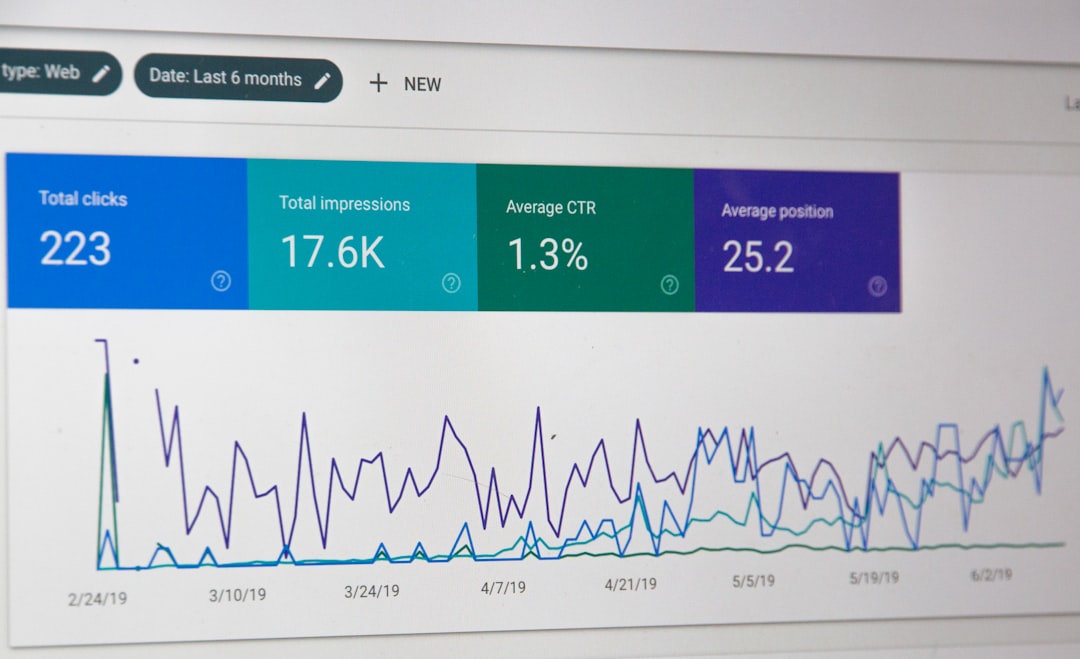
Real-time reporting across campaigns, creatives, geographies, and audience segments allows quick optimization.
Deep Linking
Deep links route users directly to specific in-app content after installation, improving user experience and boosting conversions.
Cohort Analysis
Track how specific user groups behave over time—measuring retention, in-app purchases, and lifetime value (LTV).
Fraud Detection
Ad fraud costs marketers billions annually. Attribution platforms detect suspicious click injection, click spamming, SDK spoofing, and bot-driven installs.
Cross-Platform Measurement
Many users shift between devices before converting. Advanced systems unify mobile, web, tablet, and even connected TV interactions.

The Role of Privacy in Mobile Attribution
Privacy regulations have dramatically reshaped attribution strategies. Apple’s App Tracking Transparency (ATT) framework requires user consent before accessing device identifiers like IDFA. As a result, marketers must rely more heavily on aggregated and privacy-safe measurement techniques.
Modern attribution platforms adapt through:
- SKAdNetwork integration
- Aggregated event measurement
- Advanced predictive modeling
- Server-to-server tracking
Rather than eliminating visibility, privacy shifts measurement toward statistical confidence and incrementality testing.
Measuring Beyond Installs: Post-Install Insights
Installs alone are vanity metrics if users churn immediately. The true value of mobile attribution lies in post-install tracking.
Important post-install events include:
- Account registrations
- Tutorial completions
- First purchase
- Subscription activation
- Ad impressions within app
- Repeat purchases
By tying these actions back to acquisition sources, marketers can identify which campaigns generate high-retention, high-LTV users—not just volume.
This enables sophisticated optimization such as:
- Shifting spend toward high-retention audiences
- Adjusting creative messaging for better onboarding
- Aligning acquisition strategy with product lifecycle stages
Incrementality: The Next Frontier
One of the most advanced uses of attribution platforms is incrementality testing. Instead of simply assigning credit, incrementality measures whether marketing efforts generated additional conversions that would not have occurred organically.
This typically involves:
- Control and test groups
- Geo-based experiments
- Audience segmentation experiments
Incrementality offers a clearer view of true marketing impact, moving beyond correlation to measurable contribution.
Choosing the Right Mobile Attribution Platform
Selecting an attribution solution depends on company size, app category, target regions, and technical infrastructure.
Consider these evaluation criteria:
- Platform compatibility: iOS, Android, connected TV, web
- Privacy compliance tools: SKAdNetwork and consent support
- Fraud prevention capabilities
- Customization and data export flexibility
- Integration with ad networks and analytics tools
- Scalability for global campaigns
Early-stage startups may prioritize ease of implementation and cost-effectiveness, while enterprise brands require advanced data modeling and cross-channel measurement.

Common Challenges and How to Overcome Them
Data Discrepancies
Ad networks and attribution platforms often report different numbers due to attribution windows or methodologies. Align definitions and measurement windows early to avoid confusion.
Overreliance on One Model
No attribution model is perfect. Combine models with incrementality studies for a fuller picture.
Technical Implementation Issues
Improper SDK integration can lead to incomplete data. Thorough QA testing before campaign launches is critical.
Ignoring Creative-Level Insights
Campaign success often depends on individual ad creatives. Drill down beyond channel-level data to maximize performance.
The Future of Mobile Attribution
Mobile attribution is steadily evolving toward:
- AI-driven predictive analytics
- Greater reliance on first-party data
- Enhanced privacy-safe measurement protocols
- Unified marketing measurement (MMM + attribution)
Artificial intelligence will increasingly predict user lifetime value within days of install, enabling rapid budget optimization. Meanwhile, the blending of media mix modeling (MMM) with deterministic attribution will provide both macro and micro perspectives of performance.
As ecosystems become more fragmented—spanning apps, mobile web, streaming platforms, and immersive environments—the need for centralized attribution intelligence will only grow.
Final Thoughts
Mobile attribution platforms are no longer optional tools reserved for sophisticated marketers—they are foundational components of any serious mobile growth strategy. In an environment shaped by privacy regulations, cross-device journeys, and rising acquisition costs, clear campaign measurement is the difference between scalable growth and wasted spend.
By combining install tracking, post-install analysis, fraud prevention, and incrementality measurement, these platforms empower teams to make smarter decisions backed by data. Ultimately, the goal is not just to know where users come from—but to understand which marketing investments drive meaningful, long-term value.
In a world where every click, swipe, and tap generates data, mobile attribution platforms turn complexity into clarity—and clarity into performance.



BullPhish for Businesses: What Does the Platform Offer?
BullPhish gives businesses a practical way to test employees with phishing simulations and train them before attackers do. The platform…