
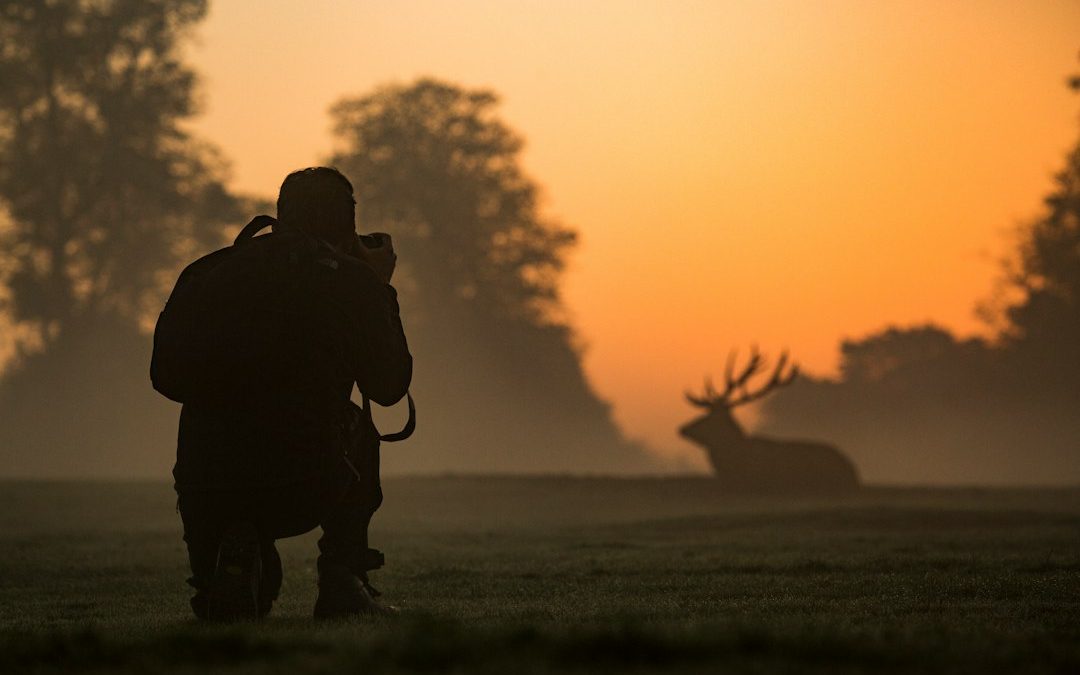

A telephoto lens is a lens that makes distant subjects look closer by using a longer focal length, usually around 70mm and beyond on a full frame camera. That is why sports, wildlife, portraits, aviation, weddings, and stage photography all lean so heavily on telephoto glass. Canon’s RF 100-500mm lens, for example, covers a huge reach range and weighs about 1.53 kg, which is fairly portable for serious wildlife work [source: Canon]. The real question is not just “what is telephoto?” It is whether Canon RF or Sony FE gives you the better telephoto system for the way you shoot.
TLDR: A telephoto lens is built for reach, compression, and subject isolation. A 400mm lens frames a bird roughly four times larger than a 100mm lens from the same spot, which matters a lot when you cannot walk closer. Canon RF is excellent if you want polished native lenses and strong stabilization, while Sony FE has a wider spread of native and third party telephoto choices. For a parent shooting weekend soccer from the sideline, a 70-200mm is often enough; for birds, motorsport, or field sports, 400mm to 600mm is the happier zone.
What Makes a Lens “Telephoto”?
A telephoto lens has a long focal length. On a full frame camera, common telephoto ranges look like this:
- Short telephoto: 70mm to 135mm, great for portraits and events.
- Medium telephoto: 200mm to 300mm, useful for indoor sports, concerts, and tighter portraits.
- Super telephoto: 400mm to 800mm, built for wildlife, air shows, field sports, and distant action.
The magic is not only reach. Telephoto lenses also create compression. Backgrounds appear closer to the subject. Faces look flatter and often more flattering. Busy scenes become cleaner. That is why an 85mm or 135mm portrait can feel more polished than a wide angle shot from close range.
The catch is that telephoto lenses punish shaky hands, slow shutter speeds, cheap tripods, and missed focus. At 500mm, tiny movements look huge. Good autofocus and stabilization stop being “nice extras” and become part of the shot.
Canon RF Telephoto Lenses: The Strengths
Canon RF is Canon’s mirrorless full frame mount. It replaced EF as the premium future path for Canon cameras. RF telephoto lenses are known for strong optical quality, excellent autofocus, and very effective image stabilization, especially when paired with bodies such as the EOS R5, R6 Mark II, or R3.
Canon has several standout RF telephoto options:
- RF 70-200mm f/2.8L IS USM: compact, sharp, and loved by wedding and sports shooters.
- RF 100-500mm f/4.5-7.1L IS USM: one of the most useful wildlife and travel telephoto zooms in the system.
- RF 200-800mm f/6.3-9 IS USM: big reach without the price of exotic prime lenses.
- RF 400mm f/2.8L and RF 600mm f/4L: professional sports and wildlife tools with serious prices.
- RF 600mm f/11 and RF 800mm f/11: unusual, lightweight long lenses for hobbyists who shoot in good light.
Canon’s biggest telephoto advantage is how refined the system feels. Autofocus tracking is sticky. Stabilization feels calm in the viewfinder. Color and contrast are classic Canon. The RF 100-500mm is a favorite because it gives wildlife shooters a practical range without forcing them to carry a monster lens all day.
The annoying part? Canon RF has had limited third party autofocus lens support compared with Sony FE. That can make the system feel expensive fast. If you want every possible budget and specialty option, Canon can feel more closed than it should.
Sony FE Telephoto Lenses: The Strengths
Sony FE is Sony’s full frame mirrorless mount. It has been around longer than Canon RF, so the lens catalog is broader. Sony also gets major support from brands such as Sigma, Tamron, Samyang, and others. For telephoto buyers, that means more price points, more sizes, and more niche choices.
Popular Sony FE telephoto lenses include:
- Sony FE 70-200mm f/2.8 GM OSS II: a pro workhorse with fast autofocus and lower weight than many older 70-200mm designs.
- Sony FE 70-200mm f/4 Macro G OSS II: lighter, sharp, and surprisingly versatile for close-up work.
- Sony FE 100-400mm GM OSS: a strong wildlife and sports zoom.
- Sony FE 200-600mm G OSS: one of the best value serious wildlife lenses in any mirrorless system.
- Sony FE 400mm f/2.8 GM and 600mm f/4 GM: elite pro lenses for sports and wildlife.
The FE 200-600mm deserves special attention. It gives real super telephoto reach, internal zooming, strong sharpness, and a price that is far more approachable than most 600mm prime lenses. Sony lists it at 2,115 g, which is heavy but still handholdable for many shooters in short bursts [source: Sony].
It drives me crazy that Sony’s lens names can read like alphabet soup: GM, G, OSS, II, FE, E. Expect to waste time decoding labels at first. Once you understand the lineup, though, the system is flexible and deep.
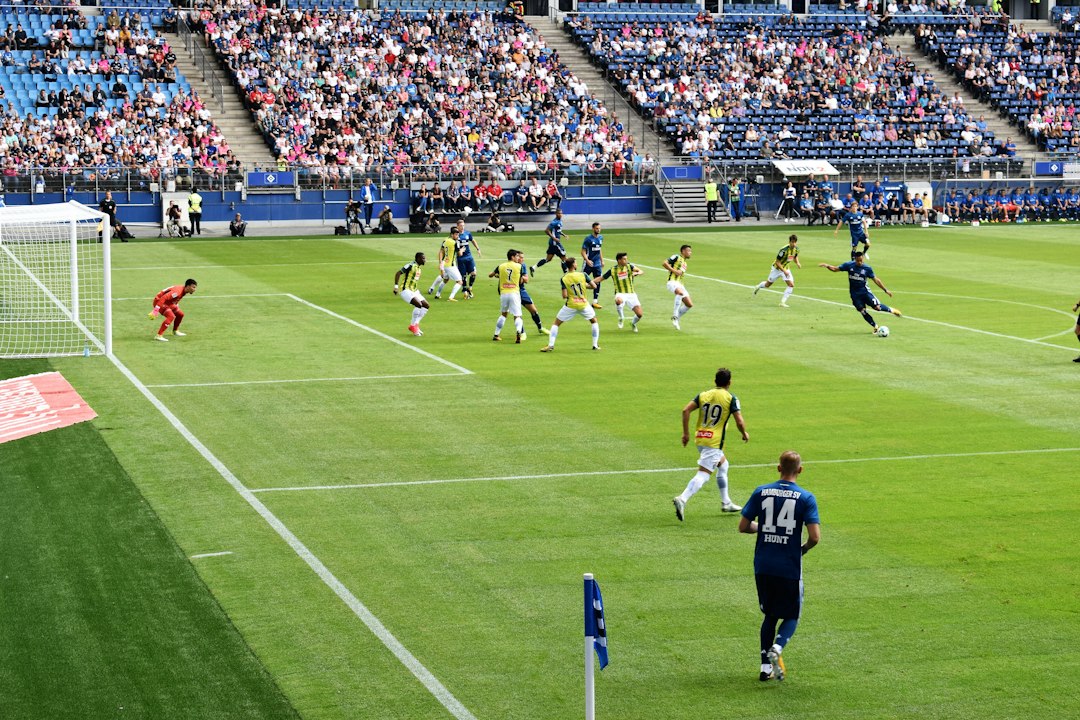
Canon RF vs. Sony FE: Which Is Better for Telephoto?
There is no single winner. There is only the better fit.
| Category | Canon RF | Sony FE |
|---|---|---|
| Native lens polish | Excellent, especially L series lenses | Excellent, especially G Master lenses |
| Third party options | More limited | Much stronger |
| Wildlife zoom choices | 100-500mm, 200-800mm, 600mm f/11, 800mm f/11 | 100-400mm, 200-600mm, many Sigma and Tamron options |
| Budget flexibility | Improving, but still tighter | Very strong |
| Professional sports | Superb with R3, R5, R6 II bodies | Superb with A1, A9 series, A7R V bodies |
If you already own a Canon RF body, the RF 100-500mm is the cleanest all-around recommendation for wildlife and outdoor sports. If you own Sony, the FE 200-600mm is hard to ignore. It is not tiny, but the reach-per-dollar ratio is fantastic.
If you are choosing a full system from scratch, Sony FE has the edge for shoppers who want more used lenses and third party choices. Canon RF has the edge for users who want a tighter, highly polished native experience and do not mind paying for it.
What About Aperture?
Aperture matters more than beginners expect. A 70-200mm f/2.8 lets in lots of light and blurs backgrounds well. It is ideal for weddings, court sports, portraits, and low light events. A 100-500mm f/7.1 or 200-800mm f/9 reaches much farther, but it needs more light or higher ISO.
That is the basic trade. Bright lenses are faster, heavier, and more expensive. Long zooms are flexible, but often slower. For birds at sunrise, that difference can sting.
How to Choose Your First Telephoto Lens
Start with the subject, not the brand hype.
- Portraits: choose 85mm, 135mm, or 70-200mm.
- Weddings and events: choose 70-200mm f/2.8 if the budget allows.
- Kids’ sports: choose 70-200mm for indoor courts, 100-400mm or 100-500mm for fields.
- Birds and wildlife: choose 400mm minimum; 500mm or 600mm is better.
- Travel: choose a lighter zoom, because carrying 2 kg all day gets old fast.

Final Buying Advice
A telephoto lens is one of the most exciting upgrades you can buy. It changes what your camera can see. It turns faraway action into frame-filling drama. It also exposes weak technique, so plan for practice.
Choose Canon RF if you value native lens quality, excellent stabilization, and Canon’s color and handling. The RF 100-500mm and RF 70-200mm f/2.8 are especially strong picks.
Choose Sony FE if you want more lens choices, more used market variety, and strong third party support. The FE 200-600mm is the kind of lens that can keep a wildlife shooter happy for years.
Either way, buy for your subject first. A great telephoto lens is not just about reach. It is about getting the shot when the subject gives you half a second and no second chance.


How to Convert GIF to MP4: Ezgif vs. CloudConvert
Use Ezgif for quick, simple GIF to MP4 conversion, and use CloudConvert when you need more file controls, batch work,…