

eBay is generally safe for buyers, and its protection is stronger than many peer-to-peer marketplaces if you pay through eBay and act within the claim window. eBay’s Money Back Guarantee covers most eligible purchases when an item does not arrive, arrives damaged, or is not as described, with claims usually tied to a 30-day reporting period after delivery or the latest estimated delivery date [source: eBay].
TLDR: eBay is one of the safer resale marketplaces because it has a formal refund process, seller tracking rules, and clear item-not-as-described claims. For example, if you buy a used $300 lens and receive a scratched or different model, eBay’s system gives you a real route to a refund if you report it on time. Mercari and Depop also offer buyer protection, but their windows and rating systems can feel tighter. Facebook Marketplace is riskier because many deals happen in person or outside a protected checkout.
How safe is eBay for buyers?
For most normal purchases, eBay is safe enough to use with confidence. That does not mean every seller is honest. It means the platform has rules, payment records, tracking, dispute tools, and refund paths.
The safest eBay purchases share a few traits:
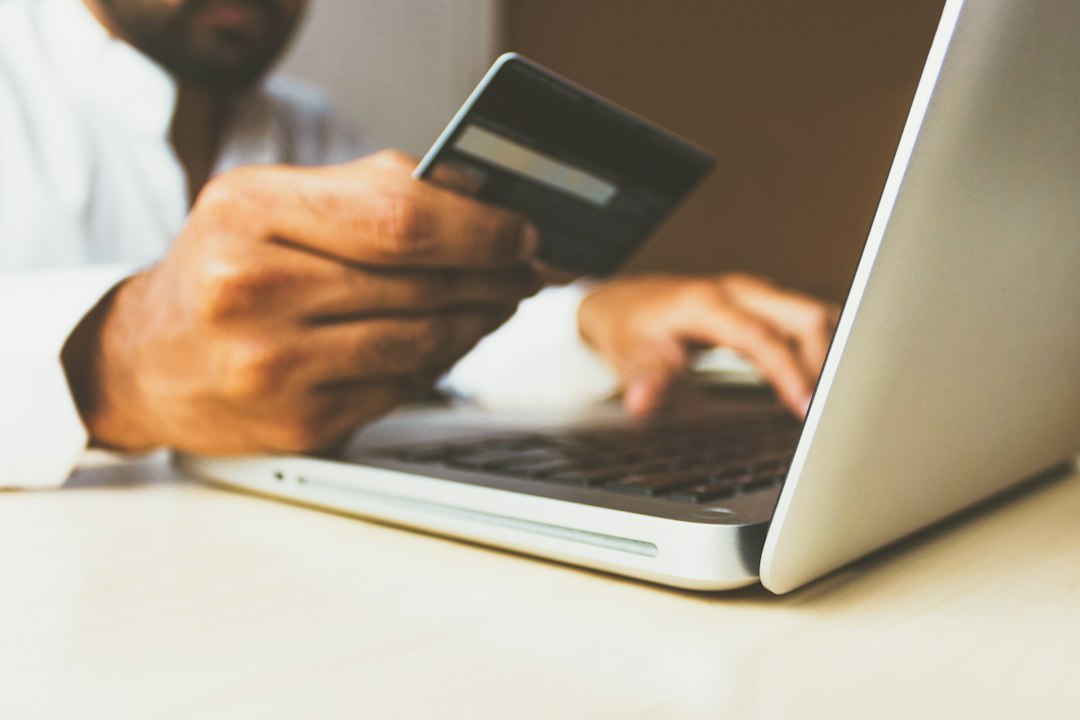
- You pay through eBay checkout. Never move to wire transfer, crypto, Zelle, or “friends and family” payments.
- The listing has clear photos and exact condition notes. Vague listings cause messy disputes.
- The seller has recent feedback. A 99% score over 5,000 sales means more than a perfect score over 3 sales.
- The item ships with tracking. Tracking is vital if a package goes missing.
The catch is that eBay can still take patience. A dispute may require photos, messages, return labels, and several days of waiting. Honestly, it feels like more paperwork than it should be when the problem is obvious. Still, that paperwork is also what gives buyers a record.
What eBay Buyer Protection actually covers
eBay’s protection is strongest when the problem is clear. The most common covered issues are:
- Item not received: The seller never ships, or tracking does not prove delivery.
- Item not as described: Wrong model, missing parts, fake item, undisclosed damage, or major condition mismatch.
- Damaged on arrival: The item arrives broken or unusable.
It does not cover buyer’s remorse in the same way. If you simply dislike the item, the seller’s return policy matters. Some accept returns. Some do not. If the listing was accurate, eBay may not force a refund.
eBay vs. Mercari
Mercari is safe, but less forgiving once a transaction closes. Buyers usually have a short review period after delivery. If you rate the seller, the sale can become final. That can be annoying if you find a defect later the same evening.
Mercari’s system works best for lower-cost goods, clothing, collectibles, and household items. It is simple and quick. The downside is speed. You need to inspect the item fast. Mercari says buyers should inspect and rate items after delivery, and its Help Center explains the order status and rating process [source: Mercari].
Verdict: eBay is better for expensive electronics, camera gear, watches, car parts, and rare collectibles. Mercari is fine for casual buying, but do not let the rating timer sneak up on you.
eBay vs. Depop
Depop is popular for fashion, vintage clothing, and streetwear. It can be safe when buyers use in-app checkout. The risk rises when sellers push payments outside the app. That is where scams tend to grow.
Depop’s buyer protection is tied to eligible in-app purchases, and the platform warns users against off-app payments [source: Depop]. That is sensible. But Depop listings can be thin. Sometimes you get three moody photos and almost no measurements. It drives me crazy that buyers often have to ask basic questions like “pit to pit?” or “any stains?” before spending real money.

Verdict: eBay is better for documentation and formal disputes. Depop is better for browsing style-driven items, but buyers must ask more questions before paying.
eBay vs. Poshmark, Etsy, and Facebook Marketplace
Poshmark has solid protection for fashion. It holds payment until the buyer accepts the item or the review period ends. This helps with clothing that arrives damaged or not as described. Its weakness is category range. It is not built for everything.
Etsy is safer for handmade, vintage, and custom goods than random social selling. Still, custom orders can be tricky. A handmade item may vary slightly from photos. Read shop policies closely.
Facebook Marketplace is the riskiest of the group when buyers pay outside a protected checkout or meet strangers in person. It can be useful for local furniture or bikes. But there is less structure. If a seller ghosts you, recovery may be hard.
Safety checklist before buying on eBay
- Read negative feedback first. Patterns matter more than one bad review.
- Check photos for serial numbers, tags, wear, and accessories.
- Ask questions inside eBay messages. Keep proof on the platform.
- Compare prices. A price 40% below market is not always a deal. Sometimes it is bait.
- Avoid off-platform payment requests. This is the biggest red flag.
- Open the package quickly. Take photos if anything looks wrong.
Final verdict
eBay is safer than many resale marketplaces for buyers, especially for higher-value goods. Its protection process is not perfect. It can be slow. It can feel stiff. But it gives buyers a clearer path than most social or local marketplaces.
Mercari is good for simple purchases, as long as you inspect fast. Depop is useful for fashion, but off-app payments are a serious risk. Poshmark is strong for clothing. Facebook Marketplace is more of a buyer-beware zone.
If you want the safest route, keep the deal on the platform, pay through the official checkout, document problems fast, and do not ignore claim deadlines. That simple routine prevents most costly mistakes.
Is eBay Safe? How Its Buyer Protection Compares With Mercari, Depop, and Other Marketplaces


Is eBay Safe? How Its Buyer Protection Compares With Mercari, Depop, and Other Marketplaces
eBay is generally safe for buyers, and its protection is stronger than many peer-to-peer marketplaces if you pay through eBay…