

Track AI citations now, not after traffic drops. Google says AI Overviews reaches more than 1.5 billion users each month, and AI Mode is pushing search toward longer, answer-style sessions [source: Google]. That means classic rank tracking is no longer enough. Brands need to know when they are named, cited, ignored, or replaced inside AI-generated answers.
TLDR: The five tools to watch are Profound, Semrush AI Toolkit, Authoritas, Peec AI, and ZipTie.dev. Use them to compare classic rankings with AI answer visibility. For example, a SaaS brand might rank in the top three for 42% of target keywords, yet appear in only 11% of AI Overview answers. That gap is where content, PR, and technical SEO work should start.
Why AI search visibility now matters
AI Overviews and AI Mode change what users see first. A searcher may get a full answer before clicking any result. That answer may mention three brands, cite two sources, and ignore the page that ranks number one.
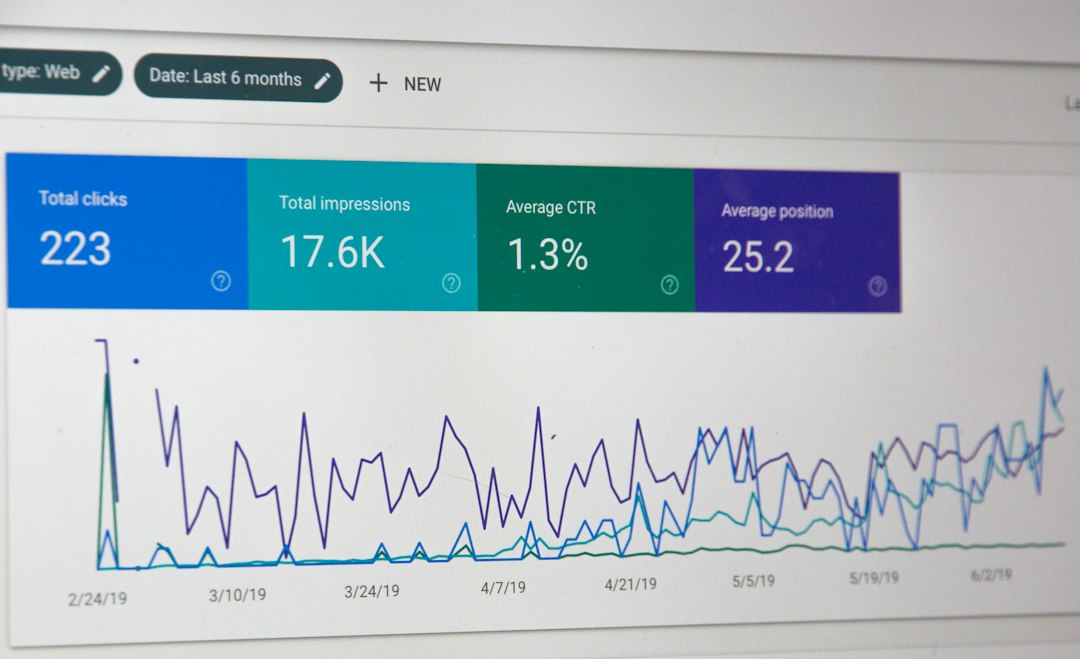
That is uncomfortable. It also makes reporting messy. Honestly, it feels like SEO teams are being asked to defend traffic shifts with half the data missing. Standard rank trackers still matter, but they do not show enough about AI answer presence.
The right tool should answer four questions:
- Is our brand mentioned in AI answers?
- Which sources are being cited?
- Which competitors appear more often?
- Which queries trigger AI Overviews or AI-style results?
1. Profound
Profound is one of the most serious tools in this group. It focuses on AI search visibility across answer engines, not just blue-link rankings. It tracks brand mentions, citations, sentiment, and competitor presence in AI responses.
This is useful for companies that care about category ownership. Think fintech, B2B SaaS, healthcare, legal, insurance, and enterprise software. If buying decisions start inside AI answers, you need to know whether your brand is included.
Best for: enterprise teams, agencies, and brands that need board-level reporting.
Watch out for: pricing and setup time. It is not the kind of tool most small teams will open on a Monday and master by lunch.
2. Semrush AI Toolkit
Semrush already sits inside many SEO teams, which gives its AI visibility features a practical edge. The value is not only in tracking AI mentions. It is in tying those findings back to keyword data, competitors, authority signals, and content gaps.
That matters because AI visibility rarely has one cause. A missing citation may come from weak topical coverage. It may come from poor brand authority. It may come from content that answers the query but lacks clear structure.
Best for: teams already using Semrush for SEO, content, or competitive research.
Watch out for: feature sprawl. It drives me crazy when one simple report takes five clicks more than expected because the platform does so many things.
3. Authoritas
Authoritas has been early in tracking Google AI Overview visibility. Its strength is query-level analysis. You can study which search terms trigger AI Overviews, which domains are cited, and how often your pages appear.
This is especially useful for publishers and ecommerce sites. If AI Overviews answer broad informational queries, clicks may fall. If your site is cited, the damage may be smaller. If competitors are cited instead, that is a clear warning sign.
Best for: SEO teams that need detailed SERP and AI Overview tracking.
Watch out for: the interface can feel more analyst-focused than beginner-friendly. Expect to spend time building the right views.
4. Peec AI
Peec AI is built around brand visibility in AI search. It checks how brands appear across AI answer platforms and compares that visibility with competitors. The tool is clean, direct, and easier to explain to non-SEO teams.
This is a good fit for marketing leaders who want to know, “Are we being recommended?” That question is simple. The answer can shape content, PR, reviews, comparison pages, and partner mentions.
Best for: brand teams, content teams, and growth marketers.
Watch out for: smaller teams may still need classic SEO tools beside it. AI visibility data is powerful, but it should not replace crawl audits, backlink checks, or technical SEO work.
5. ZipTie.dev
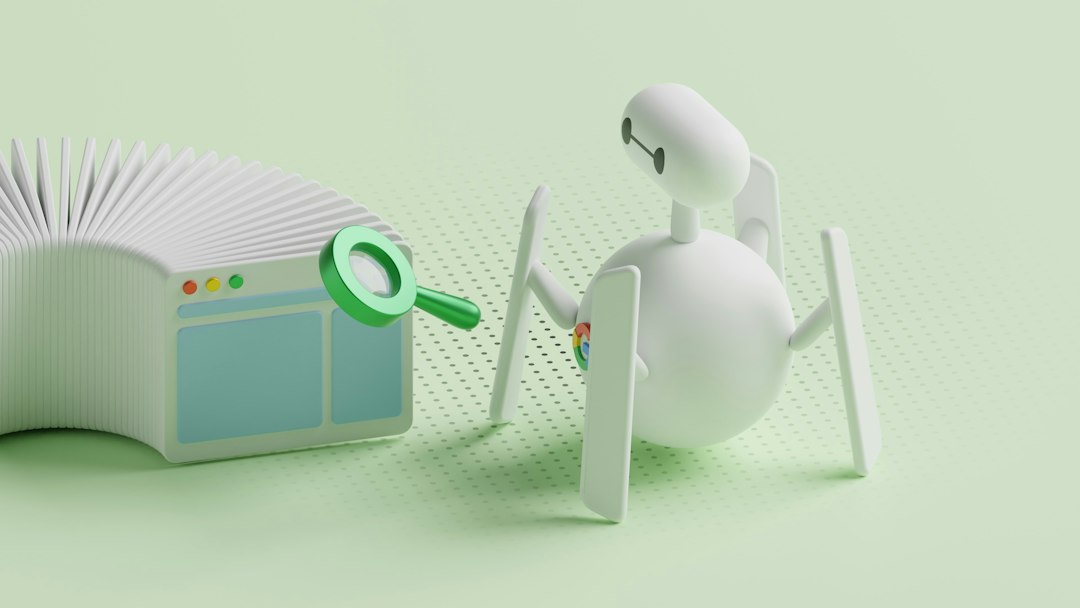
ZipTie.dev looks at AI crawler access and indexability problems. That is a different angle, and it matters more than many teams think. If AI systems cannot access or understand your content, visibility suffers before reporting even starts.
The tool helps check whether AI bots can reach key pages, whether rules block them, and whether site structure creates friction. This is less glamorous than a competitor chart. It may be more useful.
Best for: technical SEO teams, developers, and sites with large content libraries.
Watch out for: it will not solve brand demand. Clean access helps, but weak content will still lose.
How to choose the right tool
Do not buy based on hype. Start with your main risk.
- If executives ask about AI share of voice: test Profound or Peec AI.
- If your team lives in SEO workflows: start with Semrush or Authoritas.
- If technical access is unclear: check ZipTie.dev.
- If traffic is falling on informational pages: prioritize AI Overview tracking.
- If sales teams hear “ChatGPT recommended your competitor”: track brand mentions fast.
What to measure first
Keep the first dashboard simple. Track 50 to 200 high-value prompts or queries. Split them by product, problem, comparison, and buying intent. Then measure:
- AI answer appearance rate
- Brand mention rate
- Citation rate
- Competitor mention rate
- Sentiment or recommendation wording
- Traffic changes on related pages
Review the data every two weeks. AI results shift often. A monthly report may miss useful clues.
The bottom line
AI search visibility is not a side report anymore. It is part of search performance. The best teams will track classic rankings, AI citations, and brand mentions together.
Profound and Peec AI are strong for brand visibility. Semrush and Authoritas fit SEO workflows. ZipTie.dev helps catch technical blockers. Pick one based on the problem you actually have, not the loudest product page.
5 AI Search Visibility Tools to Watch as Google AI Mode and AI Overviews Evolve

5 AI Search Visibility Tools to Watch as Google AI Mode and AI Overviews Evolve
Track AI citations now, not after traffic drops. Google says AI Overviews reaches more than 1.5 billion users each month,…