


In the digital era where attention spans are short and competition is stiff, capturing a reader’s curiosity in just a few words has become a crucial skill. Whether you’re crafting blog posts, social media content, or email marketing campaigns, the headline is often your only chance to grab someone’s attention and entice them to click. Understanding how to write compelling, click-worthy headlines can dramatically improve your content’s visibility and engagement.
TL;DR:
Mastering the art of headline writing is essential for driving traffic and increasing click-through rates (CTR). Effective headlines are clear, enticing, emotionally resonant, and often include strategic keywords or numbers. Testing variations, analyzing what works best, and using proven frameworks can significantly enhance results. With practice and the right tools, anyone can create headlines that convert.
Why Headlines Matter More Than Ever
On platforms like Google, Facebook, and LinkedIn, users are inundated with content every second. The headline acts as your first — and sometimes only — impression. A well-crafted headline can spark interest, evoke curiosity, and lead to a higher click-through rate. In fact, studies reveal that 80% of people only read the headline before deciding whether to engage with a piece of content.
1. Understand Your Audience’s Needs and Desires
Before writing any headline, it’s vital to know who you’re speaking to. Research your audience’s pain points, aspirations, and vocabulary. Headlines should speak directly to the reader’s intent or offer a solution to a specific problem.
For example: If your audience is small business owners looking to grow their client base, a headline like “5 Proven Strategies to Attract More Customers This Month” will resonate more than something generic like “Grow Your Business.”
2. Use Numbers and Data to Improve Credibility
Numbers offer predictability and structure. Headlines that include numbers signal that the content is organized, easy to read, and actionable. Odd numbers tend to perform better because they are perceived as more authentic.
- “7 Tips to Double Your Email Open Rate”
- “3 Mistakes You’re Making with Your Budget — And How to Fix Them”
Numerical headlines also convert well because they promise immediate, tangible value.
3. Evoke Emotion and Curiosity
Emotionally charged headlines create a personal response, while curiosity-driven headlines pique interest by holding something back. Curiosity gaps work exceptionally well in making the reader click to uncover what you’re hinting at.
Try these formulas:
- “You Won’t Believe What This CEO Does Every Morning”
- “Is Your Marketing Strategy Missing This One Key Element?”

4. Incorporate Keywords for SEO and Relevance
If your headline includes keywords that your audience is actively searching for, it increases the likelihood that your content will show up in relevant search results. Keywords also help set accurate expectations for what the reader will find.
Examples:
- “Digital Marketing Tips for Local Businesses”
- “Freelance Project Management Tools You Need in 2024”
5. Create a Sense of Urgency or Scarcity
When people believe that they might miss out on something valuable, they are more likely to take immediate action. Including time-sensitive words boosts click-through rates, especially in promotions, sales, or limited-time content.
Use phrases like:
- “Last Chance”
- “Only 24 Hours Left”
- “Don’t Miss Out”
6. Try Proven Headline Frameworks
Sometimes the best way to start is by using established patterns that are known to convert. Here are four high-performing headline frameworks:
- How-To: “How to Build a Website That Converts Visitors into Customers”
- Listicle: “10 Time-Saving Apps Every Entrepreneur Should Use”
- Question: “Are You Making These SEO Mistakes?”
- Negative Superlatives: “The Worst Foods to Eat Before Bed”
These formats consistently perform well across various industries and platforms.
7. Test Variations and Analyze Performance
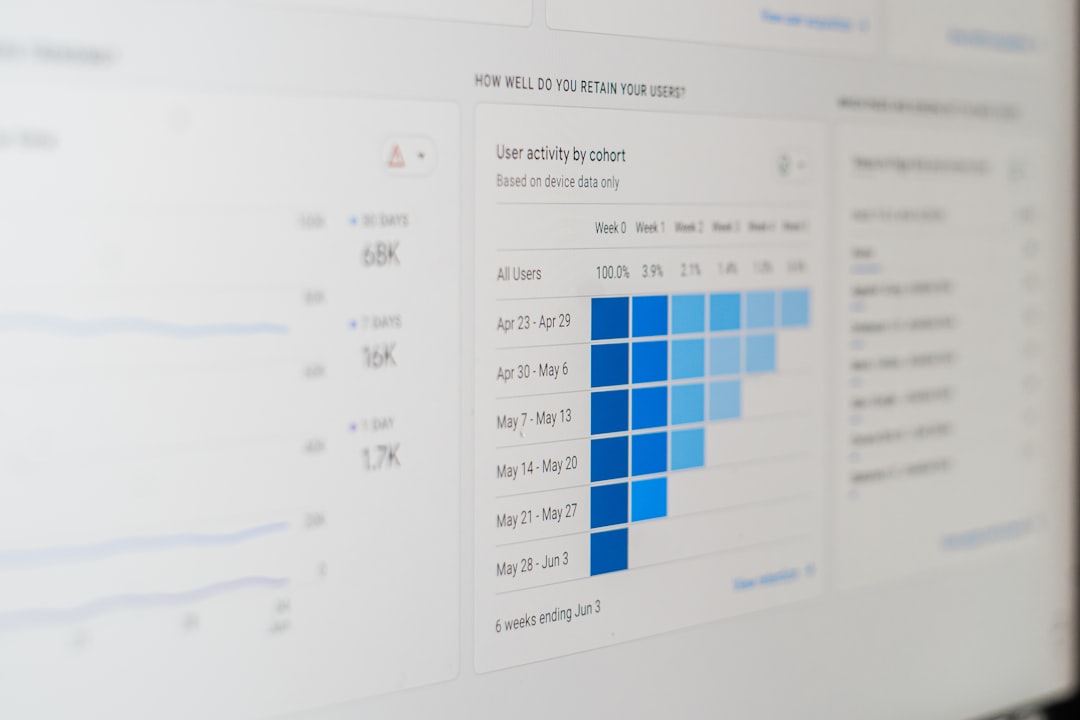
Smart marketers never settle for one headline. A/B testing two or more headlines can provide valuable data on which styles resonate better with your audience. Tools like CoSchedule Headline Analyzer, Optimizely, and Google Optimize can help test different headline versions.
Tip: Track metrics such as click-through rate, bounce rate, and average session duration to determine what’s working.
8. Use Power Words Strategically
“Power words” are emotionally charged terms that are designed to trigger a psychological or emotional response. They can significantly enhance a headline’s appeal.
Some effective power words include:
- Ultimate
- Secret
- Proven
- Effortless
- Essential
Be cautious not to overuse them, as too many can make your headline feel gimmicky or spammy.
9. Balance Clarity with Creativity
While creativity is important, clarity should never be sacrificed for cleverness. A witty headline that fails to convey the core message will confuse or mislead your audience, resulting in lower engagement.
Ask yourself: Will my audience understand what this is about in 2 seconds? If not, consider refining or simplifying the message.
10. Personalize When Possible
Using personalization, such as addressing a specific demographic or segment directly, can significantly improve CTR. This helps your headline stand out by making the reader feel seen or understood.
Examples:
- “Attention Freelancers: Here’s How to Scale Your Business Without Burnout”
- “Parents, Here’s the Secret to Getting Your Kids to Do Homework”
Conclusion
High-performing headlines are not written by accident — they’re the result of audience understanding, thoughtful word choice, tested structures, and compelling emotional appeal. With these actionable strategies, marketers, bloggers, and business owners can greatly improve their CTR and content visibility. The key is to remain consistent, keep testing, and always put the reader first.
Frequently Asked Questions (FAQ)
Q1: How long should a headline be?
Ideally, a headline should be between 6 to 12 words or around 60 characters. This ensures readability and is optimized for search engines and social media display.
Q2: Can emojis improve headline performance?
Yes, when used sparingly and appropriately, emojis can make a headline stand out and inject emotion or clarity. However, they should align with brand voice and platform norms.
Q3: Is it okay to use clickbait-style headlines?
While clickbait may boost CTR initially, it can damage trust if the content doesn’t deliver on the headline’s promise. Focus on curiosity-driven rather than misleading headlines.
Q4: What headline testing tool is best?
Tools like CoSchedule Headline Analyzer, Sharethrough Headline Analyzer, and enterprise tools like Optimizely are great for analyzing or A/B testing headline effectiveness.
Q5: How often should I update headlines on old content?
If old content is still receiving traffic but has a low CTR, refreshing the headline can revitalize its performance. Aim to review and potentially update headlines at least once every quarter.


How To Revert A Commit In Git: Step-By-Step Commands And Best Practices
So you made a commit. Then you realized… it was a mistake. Maybe it broke the build. Maybe it deleted…