

In today’s fast-paced professional world, building effective teams hinges on more than just hiring skilled individuals. Strong collaboration, innovation, and decision-making all stem from one fundamental capability: critical thinking. When teams can assess situations, evaluate data, communicate reasoning, and develop creative solutions together, they become more agile and resilient. That’s where critical thinking exercises for team building come into play.
TLDR
Critical thinking exercises improve team communication, problem-solving, and analytical thinking. They foster collaboration and decision-making by challenging teams to work through complex scenarios together. Activities like role-playing, brainstorming, puzzles, and debates not only engage team members but also train them to think independently and cooperatively. These exercises are essential for developing well-rounded and adaptable teams.
Why Critical Thinking Is Crucial in Team Settings
Critical thinking enables individuals to approach problems strategically, analyze options objectively, and choose the most effective solutions. In a team context, this leads to:
- Better communication: Encourages open discussion, listening, and respectful disagreement.
- Stronger decision-making: Teams can evaluate problems from different perspectives before deciding.
- Improved problem-solving: Helps members break down problems into manageable parts and tackle them systematically.
- Boosted innovation: New ideas are considered more thoroughly and refined through collaboration.
Core Goals of Critical Thinking Team Exercises
When designing or participating in critical thinking exercises, it’s important to understand the key goals you are targeting:
- Enhancing judgment and decision making
- Promoting constructive dialogue
- Encouraging open-mindedness and diverse perspectives
- Developing trust and respect among team members
Top Critical Thinking Exercises for Teams
1. The “Lost at Sea” Scenario
Each team is given a scenario: They are stranded at sea and can choose five items from a list of 15 to help them survive. Team members must discuss and come to a consensus on which items to keep. This activity encourages discussion, negotiation, and evaluation of real-world applications.
Benefits: Promotes collaboration, reasoning, and consensus building.
2. Escape Room Challenges
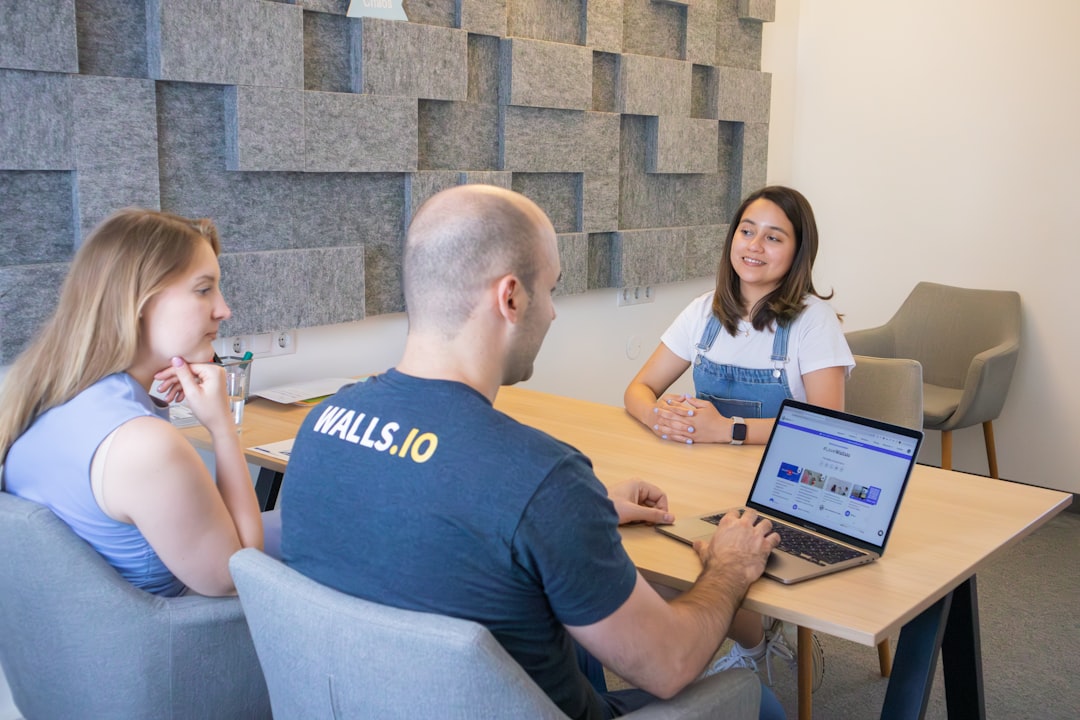
Both physical and virtual escape rooms make fantastic team-building activities. They require participants to solve puzzles, decode clues, and work swiftly as a unit to “escape” a scenario under time pressure. Each team member brings a unique perspective, making critical thinking a must-have skill to succeed.
Benefits: Enhances quick thinking, creativity, and coordination under pressure.
3. “What Would You Do?” Ethical Dilemmas
Present your team with various ethical dilemmas—realistic or hypothetical—and ask them to analyze the situation, consider consequences, and make a collective decision. For example, “You discover a teammate is fudging data to meet a deadline. What do you do?” Discussions should be thoughtful, allowing everyone to voice their opinions.
Benefits: Develops moral reasoning, critical deliberation, and empathy.
4. Debating Club
Divide your team into two groups and assign them opposing sides of a thought-provoking, non-controversial topic. Encourage them to prepare arguments, challenge each other respectfully, and reflect post-debate. This exercise emphasizes the necessity of understanding opposing viewpoints, formulating arguments, and respectfully disagreeing.
Benefits: Cultivates active listening, persuasive communication, and analytical thought.
5. The “Reverse Brainstorm”
Instead of asking how to solve a problem, ask how to cause it. For instance, “How could we make our customer service worse?” Teams explore counter-productive actions, then reverse-engineer solutions. This twist stimulates creativity and makes for a fun, unexpected exercise.
Benefits: Inspires innovative thinking and problem inversion techniques.
6. Pattern Recognition Games
Puzzles like Sudoku, logic riddles, or lateral thinking puzzles can be done in small teams. Members must collectively discover patterns, spot inconsistencies, and reach conclusions. It’s fantastic for sharpening attention to detail and logical reasoning in a low-stress environment.
Benefits: Enhances logic, pattern analysis, and collective reasoning.

7. Build a Bridge
Give two small teams the task of building half of a structure (e.g., a paper bridge). They must plan separately and then unite their halves to form a cohesive piece. Limited communication or strict constraints can be introduced to increase the challenge.
Benefits: Boosts coordination, problem-solving, and planning under constraints.
8. “Two Truths and a Lie” with a Twist
This classic icebreaker is given a critical thinking spin: Players not only share their statements but others have to use reasoning and questioning techniques to validate or debunk the lie. Encourage teams to justify their suspicions using logic.
Benefits: Strengthens observation, deduction, and interpersonal analysis.
Tips for Implementing These Exercises Effectively
- Know your team: Choose exercises that are suited for the group’s dynamic, skill level, and trust level.
- Debrief after each activity: Discuss what was learned, how decisions were made, and how these lessons apply to real-life work situations.
- Rotate leadership: Let different team members facilitate each session to build leadership and engagement.
- Start simple: Begin with low-stakes exercises before moving onto complex or time-consuming challenges.
Virtual-Friendly Critical Thinking Exercises
With remote and hybrid work becoming more common, here are a few exercises that work beautifully online:
- Online scavenger hunts: Teams race to solve riddles or find virtual objects across websites.
- Virtual murder mystery: Participants piece together clues shared via video call to solve a crime.
- Case study crack: Present a business problem in a presentation or PDF and have the group analyze and present solutions.
Overcoming Common Challenges
It’s natural to face hurdles when introducing critical thinking into your team-building sessions:
- Participation imbalance: Encourage quieter members with inclusive facilitation techniques.
- Dominating personalities: Use small group breakouts or assign roles to balance contributions.
- Time limitations: Opt for “micro-challenges” that take under 15 minutes but still build key skills.
Why These Exercises Work Long-Term
The true strength of critical thinking team exercises lies in their long-term impact. Teams that regularly practice making logical judgments and solving complex problems together tend to build stronger psychological safety. They feel more comfortable sharing different viewpoints, taking calculated risks, and growing through feedback. In the long run, this leads to:
- Better innovation and risk-taking
- Reduced conflict and misunderstandings
- Stronger team unity and ownership of decisions
Conclusion
Integrating critical thinking exercises into your team’s routine isn’t just a fun detour from daily tasks—it’s an investment in long-term team effectiveness. By challenging members to think strategically, communicate openly, and trust each other’s insights, such activities foster the core competencies of strong, adaptive teams. Whether in the office, online, or out in the field, these exercises bring the power of thought into action and transform groups of coworkers into capable collaborators and decision-makers.
So, get your team thinking. The results may surprise you.


How To Configure user.name And user.email In Git For Proper Version Control
Every Git commit carries an identity, and that identity is defined by two simple yet essential configuration settings: user.name and…