
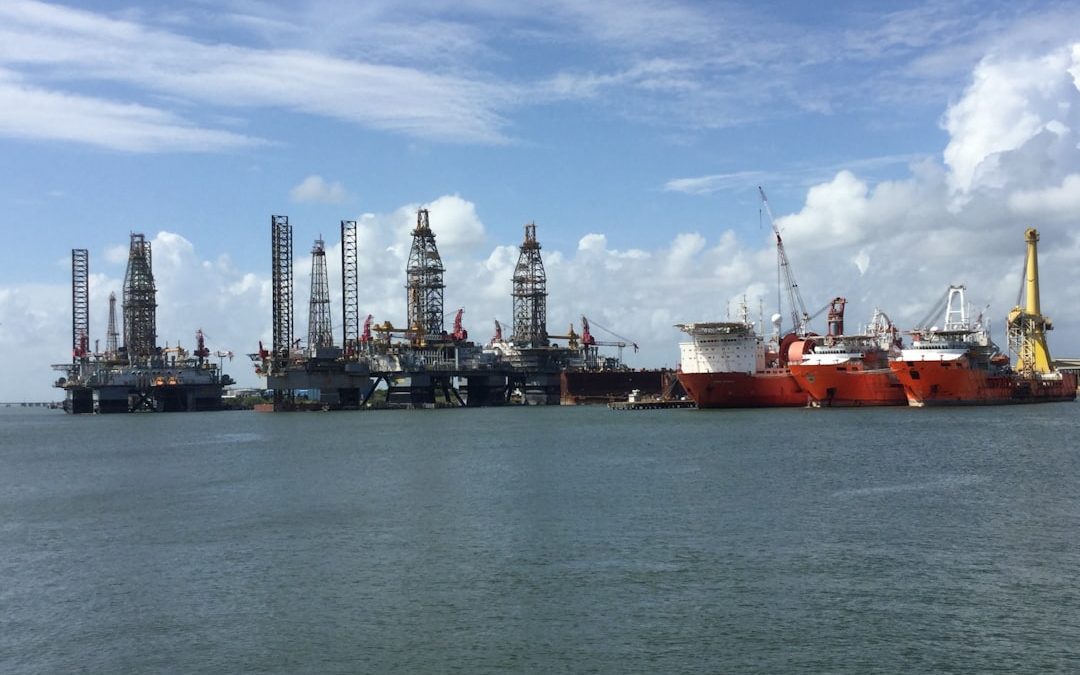

Working on an offshore oil rig is a demanding and high-stakes occupation that offers lucrative opportunities for those prepared to commit to a tough lifestyle and physically rigorous responsibilities. While entry-level positions don’t require advanced degrees, they do demand specific training, safety certifications, and a willingness to work long shifts in often unforgiving conditions. For individuals drawn to adventure, high pay potential, and job security, oil rig employment can be a rewarding path.
TL;DR:
Entry-level offshore oil rig jobs offer solid pay and adventure, but require physical strength, long hours, and strict safety training. Roles include roustabouts, roughnecks, and maintenance crews. Prior experience isn’t essential, but certifications like Basic Offshore Safety Induction and Emergency Training (BOSIET) are mandatory. Readiness for isolation, teamwork, and toughness is key to success offshore.
Understanding Entry-Level Offshore Roles
When you’re new to the offshore oil industry, most positions available are considered “entry-level,” but this does not mean unskilled or easy. These roles are critical to the rig’s functioning and safety. Entry-level workers often support operations under more experienced personnel and are expected to adapt quickly to the challenging rig environment.
Common entry-level roles include:
- Roustabout: A general laborer who performs maintenance, cleaning, and supports the drilling operation.
- Roughneck: Part of the drilling team, assisting with handling drill pipes and maintaining equipment.
- Floorhand: Works on the drill floor, assisting with assembling and disassembling drilling equipment.
- Utility Hand: Provides logistical support, cleaning, and upkeep of basic operations.
These positions offer a foot in the door and serve as a solid foundation for future advancement into higher-paying and more technical roles offshore.
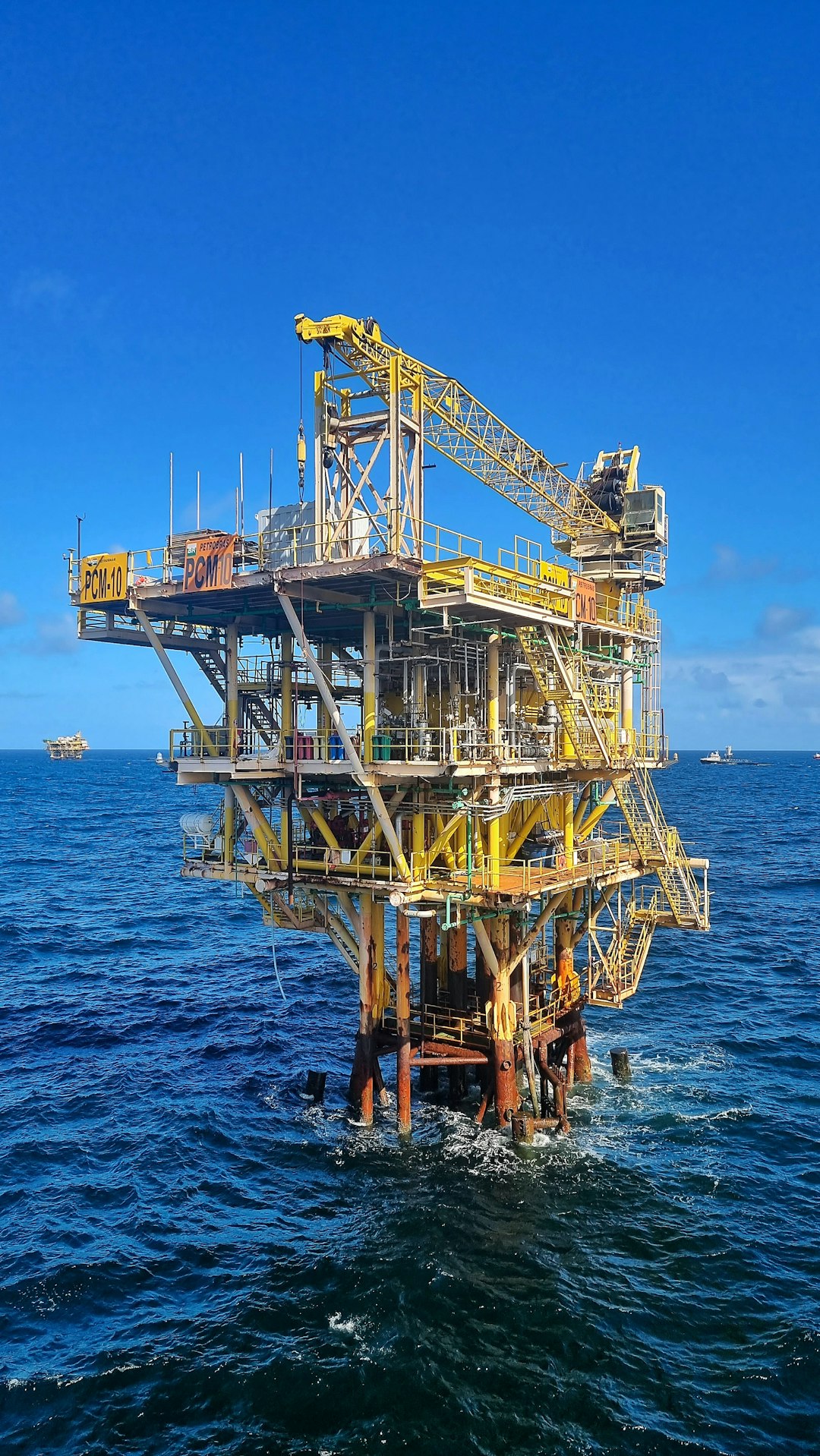
Basic Requirements and Qualifications
Getting hired for an offshore oil rig job is not just about having the stamina and strength to perform physical tasks—it also involves meeting key industry and safety standards. Below are the fundamental requirements to become an entry-level worker on an oil rig:
1. Age and Legal Requirements
- Must be at least 18 years old.
- Must possess the legal right to work in the country where the oil rig is located.
- Background checks and drug tests are mandatory.
2. Physical and Medical Fitness
- The job demands excellent physical health.
- You must pass a comprehensive medical examination, often including cardiovascular, hearing, and vision tests.
- Must be capable of handling heavy lifting, long hours, and working in all weather conditions.
3. Safety Certifications
Perhaps the most crucial step for new entrants is obtaining the necessary offshore safety certifications:
- BOSIET (Basic Offshore Safety Induction and Emergency Training): This globally recognized course includes survival at sea training, fire safety, helicopter escape training, and first aid.
- HUET (Helicopter Underwater Escape Training): Often part of BOSIET, this teaches individuals how to safely evacuate from a submerged helicopter.
- H2S Awareness: Training for handling exposure to hydrogen sulfide gas, which can be present in drilling operations.
Experience and Education Requirements
Formal education requirements are typically minimal for entry-level positions, although some employers prefer candidates with qualifications in mechanical, electrical, or marine fields. Experience, even in similar physically demanding industries like construction or agriculture, can be advantageous.
Key points:
- High school diploma or GED is generally expected.
- Trade school or mechanical training is a plus, but not mandatory.
- On-the-job experience is often prioritized over formal education.
However, it’s worth noting that many employers prioritize candidates who possess a strong work ethic, adaptability, and a demonstrated ability to work in team environments under pressure.
How to Apply for an Oil Rig Job
Securing a job on an oil rig requires persistence and preparation. Many reputable companies have rigorous hiring processes, given the safety-sensitive nature of the work.
1. Research Major Employers
Some of the largest companies in offshore drilling include:
- Transocean
- Schlumberger
- Noble Drilling
- Seadrill
- Weatherford
Regularly search company career portals for openings in entry-level roles and consider signing up for job alerts. LinkedIn and other professional platforms are also valuable resources.
2. Prepare a Relevant Resume
Ensure your resume highlights:
- Physical work experience, including construction, factory, or industrial labor.
- Relevant certifications (BOSIET, HUET, etc.).
- Teamwork, endurance, safety consciousness, and adaptability.
3. Be Willing to Start Small
Starting as a roustabout or utility hand is common. Demonstrating your work ethic and reliability can lead to promotions or specialized training opportunities.
What Life Is Like Offshore
Before leaping into the world of offshore oil and gas, it’s essential to understand what daily life really involves. It’s not a 9-to-5 job—workers often spend weeks at sea, living on the rig and working long hours.
- Work Schedules: Offshore shifts are commonly 12-hours long, often on a 14-days-on, 14-days-off rotation.
- Living Quarters: Most rigs have shared cabins, cafeteria meals, gym facilities, and recreational areas.
- Isolation: Being away from family and home life for extended periods can be emotionally challenging.
- Team Environment: A strong sense of camaraderie develops among crew members due to close proximity and shared goals.
Advancement Opportunities
Many senior oil rig professionals started in entry-level positions. Hard work and continued safety compliance can lead to promotions into supervisory or technical roles, such as:
- Derrickhand – responsible for managing the drilling mud systems.
- Driller – oversees drilling operations under the toolpusher’s instruction.
- Toolpusher – responsible for the entire rig’s operation, including safety and staffing.
- Engineer or Specialist – typically requires further education and experience in geology, mechanics, or hydraulics.
Employers often offer training programs and mentorship for workers who show commitment and potential, making it possible to rise through the ranks over time.
Health and Safety: The Industry’s Top Priority
One of the most important aspects of working offshore is safety. Oil rigs are hazardous environments, and mistakes can have catastrophic consequences. From day one, employees are trained to prioritize safety above all else.
Common safety practices include:
- Daily safety briefings and drills.
- Strict Personal Protective Equipment (PPE) requirements.
- Zero-tolerance policy for drug or alcohol use on the rig.
- Continual training and safety evaluations.
Injuries and accidents are rare but taken seriously. Strong safety culture ensures that all team members look out for one another in every aspect of the job.
Final Thoughts: Is Offshore Work Right for You?
If you’re physically fit, mentally tough, and ready for a different kind of lifestyle, offshore oil rig work could be a challenging yet rewarding career move. Though demanding, the benefits—competitive pay, advancement potential, and exposure to an international workforce—are considerable.
Before applying, ensure you meet the baseline requirements, obtain necessary safety certifications, and understand what life on a rig truly entails. It’s not for everyone—but for the right person, it could be the opportunity of a lifetime.


Software Alternatives Startups Consider Instead of VictoriaMetrics for Scalable Monitoring
Modern startups live and breathe data. From application uptime to user behavior, every metric counts when you’re building a product…