

The safest way to keep up with search algorithm changes is to track official announcements, SERP volatility, rank shifts, and SEO chatter in one simple weekly routine. Google confirms major ranking updates through its Search Status Dashboard and Search Central updates, including core updates that can affect many sites at once [source: Google]. Waiting until traffic drops is too late. Good SEO tracking tools help you spot movement early, compare notes, and decide whether to act or stay calm.
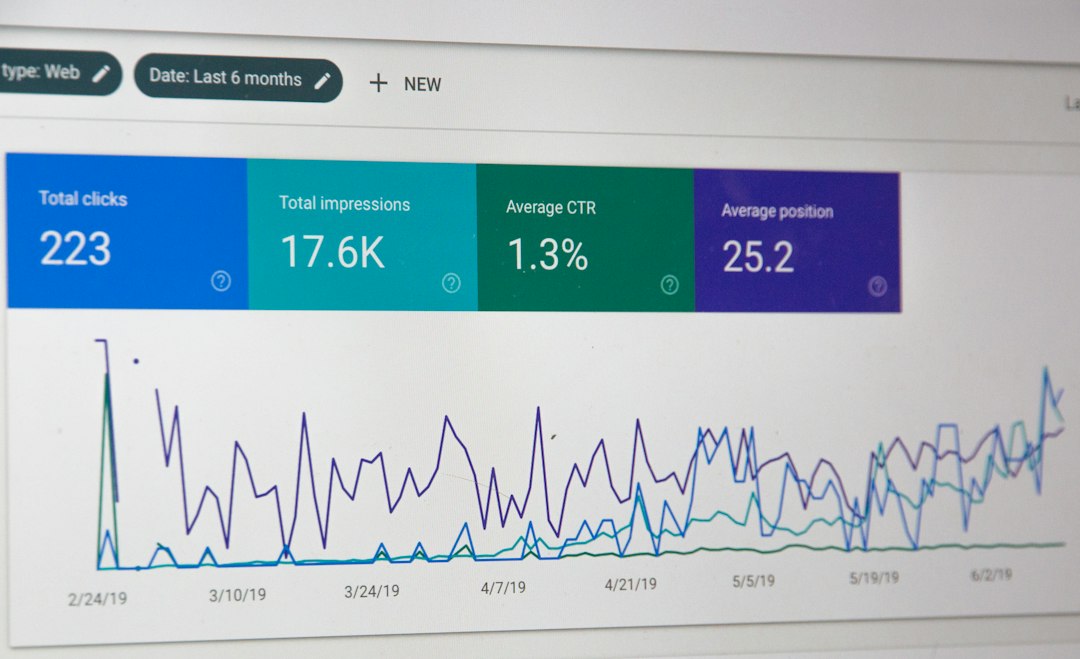
TLDR: Use a mix of official Google sources, volatility trackers, rank tracking, and SEO news feeds. For example, if organic traffic drops by 22% over five days while Semrush Sensor shows high volatility in your niche, you may be seeing an algorithm-related shift rather than a normal dip. A smart setup is simple: check Google Search Status Dashboard, monitor rankings in Ahrefs or Semrush, and scan SEO news twice a week. This can save hours of guessing and prevent rushed changes that make things worse.
1. Google Search Status Dashboard
Best for: official confirmation of search issues and updates.
This is the first place to check when rankings move in a strange way. The dashboard shows confirmed Google Search incidents and ranking update status. It will not explain every traffic swing, which can be annoying, but it tells you when Google has publicly confirmed something.
Use it when: you see a sudden traffic drop, indexing problem, or strange visibility change across many pages.
2. Google Search Central Blog
Best for: understanding what Google wants site owners to know.
The Search Central Blog gives more context than a status page. You will find posts on core updates, spam updates, helpful content guidance, structured data, and technical SEO changes. It is not a gossip feed. That is a good thing. It keeps you tied to facts instead of panic.
Expect broad advice, though. Google rarely says, “Fix this exact thing and your traffic returns.” That part still takes analysis.
3. Semrush Sensor
Best for: spotting SERP volatility by category.
Semrush Sensor tracks how much Google results are shifting. It gives volatility scores for industries like health, finance, travel, retail, and news. When the score jumps, search results are moving more than usual.
This is useful because a ranking drop on one site can be a site problem. A ranking drop across a full niche may be a wider update. Honestly, it feels like the tool can make small movements look dramatic on some days, so do not treat every spike as a crisis.
- Good: fast view of search volatility.
- Good: category filters help reduce noise.
- Weak spot: it does not explain why rankings changed.
4. Ahrefs Rank Tracker and Alerts
Best for: keyword movement and backlink change alerts.
Ahrefs is helpful when you need to connect algorithm news with real ranking movement. Its Rank Tracker shows keyword positions, share of voice, search visibility, and competitor movement. Alerts can notify you when backlinks are gained or lost.
The backlink side matters because some traffic drops are not algorithm updates. They are link losses, technical issues, or stronger competitors. The catch is that alerts are not always instant. Sometimes you will spot a ranking issue before the email arrives.
5. MozCast
Best for: a quick “weather report” on Google results.
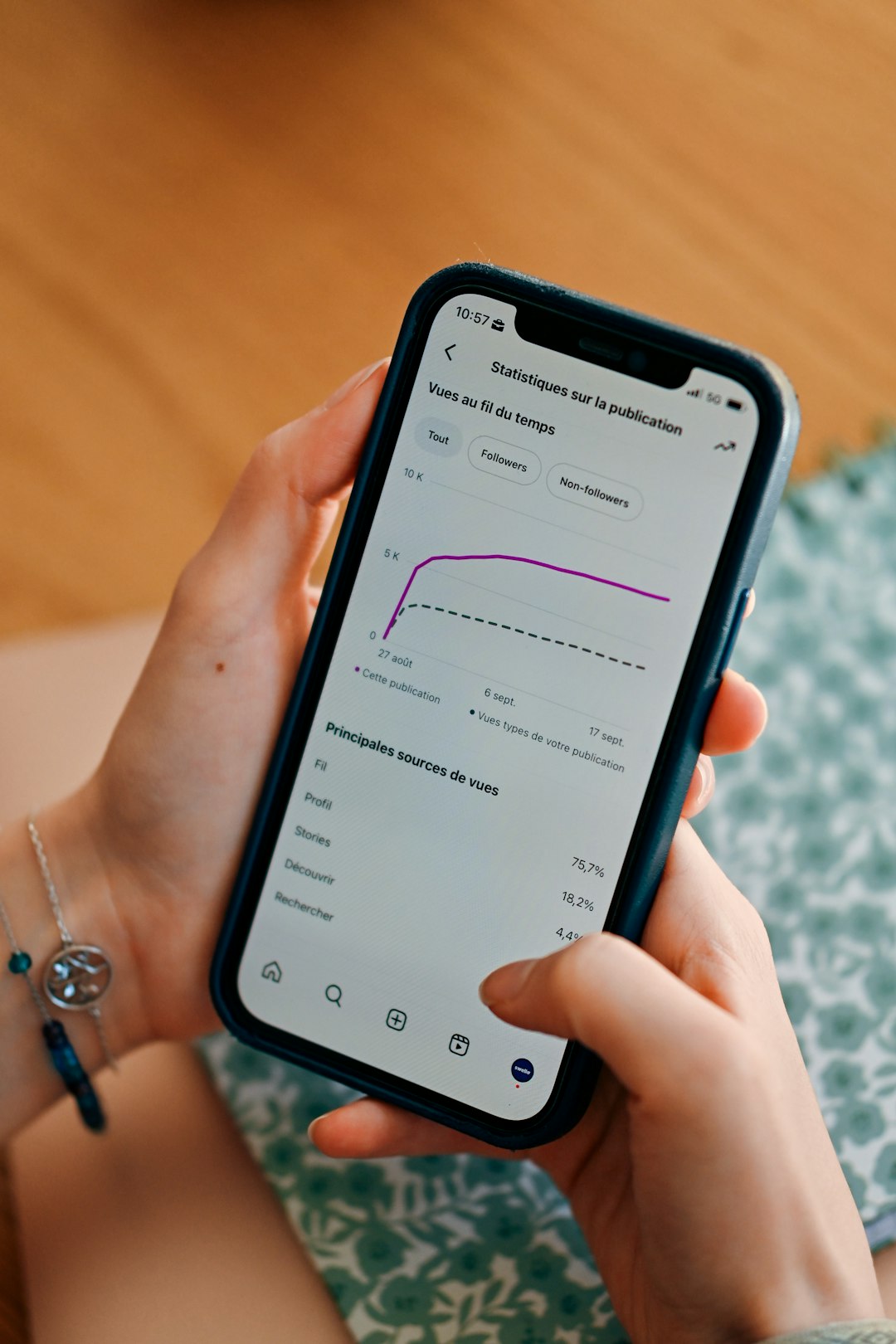
MozCast turns SERP volatility into a weather-style score. Hotter temperatures mean more movement in rankings. It is simple, visual, and quick to scan.
This tool is great for busy marketers who do not want another heavy dashboard. If MozCast, Semrush Sensor, and your own rank tracker all show movement, you have a stronger clue that something broad is happening.
6. Search Engine Roundtable
Best for: early chatter from the SEO community.
Search Engine Roundtable is one of the fastest places to spot SEO discussion around possible updates. It often reports chatter from forums, social posts, and tracking tools before official confirmation appears.
This is useful, but treat it as an early warning system, not a final answer. SEO chatter can get dramatic. A few loud posts do not always mean a major update. Still, when many site owners report the same pattern, it is worth checking your data.
7. SEO Testing or Similar Change Tracking Tools
Best for: proving whether your own changes helped or hurt.
Algorithm tracking is only half the job. You also need to know what changed on your site. Tools like SEO Testing help track page edits, title changes, content updates, and performance shifts in Google Search Console data.
This matters because teams forget their own changes. It drives me crazy when a traffic drop gets blamed on Google, then someone remembers a template update shipped three days earlier. Change tracking keeps the facts in one place.
How to Build a Simple SEO Update Tracking Routine
You do not need to check ten dashboards every morning. That creates noise. Use a short routine instead.
- Check official sources first. Start with Google Search Status Dashboard and Search Central Blog.
- Review volatility tools. Compare Semrush Sensor and MozCast.
- Check your own rankings. Use Ahrefs, Semrush, or your preferred rank tracker.
- Compare traffic segments. Look at organic traffic by page type, country, and device.
- Read trusted SEO news. Use Search Engine Roundtable for early signals.
- Log site changes. Record content edits, technical releases, and design changes.
What to Do When an Update Hits
Do not rewrite every page on day one. That is how small problems become big ones. First, confirm the pattern. Did only one page drop? Did a whole folder drop? Did competitors rise? Did impressions fall, or only clicks?
Then separate algorithm signals from site issues. A core update may affect many pages. A broken canonical tag may affect one section. A lost backlink may hurt one high-value URL. These require different fixes.
The best SEO teams stay boring during updates. They track the facts, wait for enough data, and improve weak pages with care. Use the seven tools above together, and you will spend less time guessing and more time making smart fixes.
7 SEO News and Update Tracking Tools to Keep Up With Search Algorithm Changes

7 SEO News and Update Tracking Tools to Keep Up With Search Algorithm Changes
The safest way to keep up with search algorithm changes is to track official announcements, SERP volatility, rank shifts, and…