
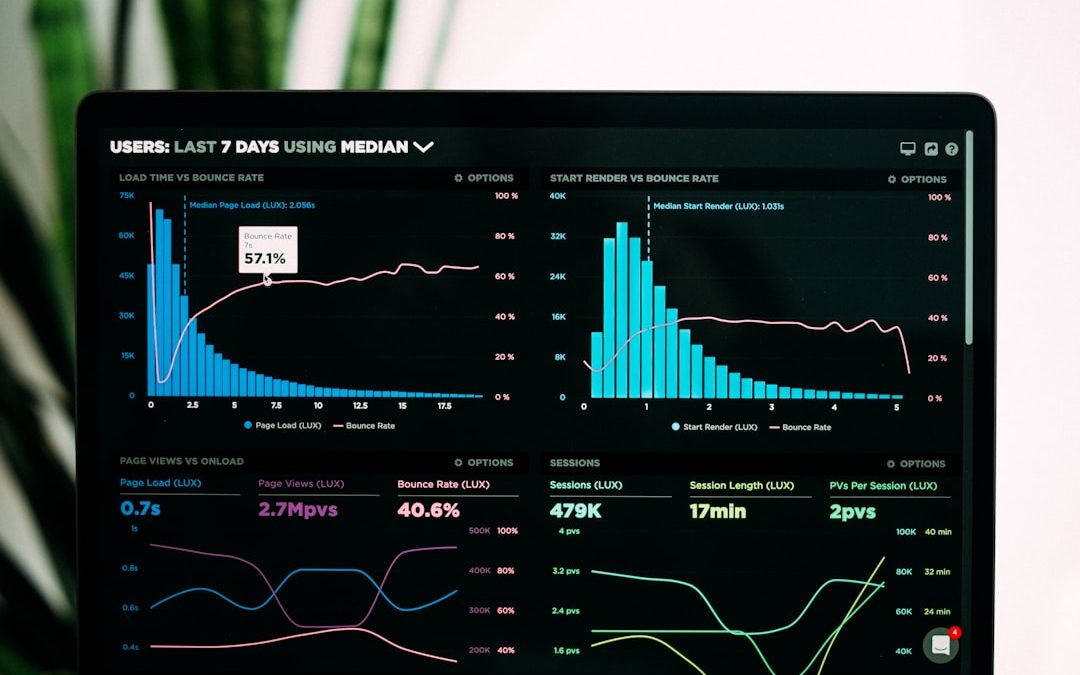

Enterprise organizations increasingly rely on advanced business intelligence (BI) platforms to transform raw data into strategic insight. While Looker Analytics has established itself as a powerful, model-driven solution for governed data exploration and reporting, many enterprises seek comparable software due to cost considerations, ecosystem preferences, compliance requirements, or feature specialization. Selecting the right alternative requires a careful evaluation of scalability, data modeling capabilities, governance controls, embedded analytics, and integration with existing technology stacks.
TLDR: Several enterprise-grade platforms offer functionality comparable to Looker Analytics, including Microsoft Power BI, Tableau, Qlik Sense, SAP Analytics Cloud, and ThoughtSpot. Each solution provides strong data visualization, governance, and scalability features, but they differ in modeling approaches, AI capabilities, and ecosystem alignment. Enterprises should evaluate alternatives based on deployment flexibility, data integration, total cost of ownership, and long-term analytics strategy. A structured comparison helps ensure the selected platform aligns with organizational complexity and compliance needs.
Looker’s core advantage lies in its semantic modeling layer, which enables consistent metrics across teams. Comparable enterprise tools typically match this capability either through robust data modeling frameworks, metadata layers, or tightly controlled governance features. Below is a detailed examination of leading alternatives suited for large-scale organizations.
Key Criteria for Enterprise BI Platforms
Before comparing specific tools, it is important to establish the evaluation framework. Enterprises typically prioritize:
- Scalable architecture capable of handling large, distributed datasets.
- Semantic or data modeling layer for consistent metric definitions.
- Advanced data governance with role-based access control.
- Cloud and hybrid deployment options.
- Embedded analytics capabilities for customer-facing applications.
- AI-driven insights and predictive analytics.
- Broad integration ecosystem across databases and SaaS platforms.
Enterprises seeking a Looker alternative generally require parity across most, if not all, of these dimensions.
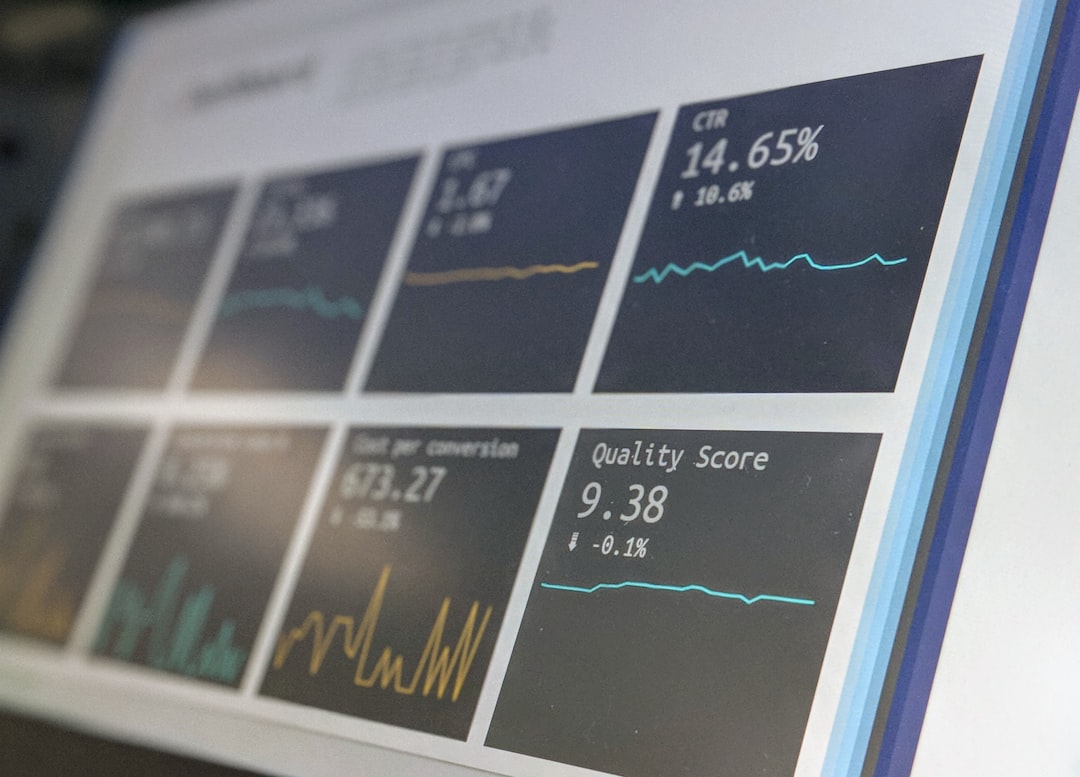
1. Microsoft Power BI (Enterprise Edition)
Microsoft Power BI has evolved into one of the most comprehensive BI ecosystems available. Deep integration with Azure, Office 365, and Microsoft Fabric makes it particularly appealing to enterprises operating within the Microsoft environment.
Strengths:
- Advanced semantic modeling via Analysis Services and Dataverse.
- Tight security and compliance alignment with enterprise identity systems.
- Extensive AI features, including Copilot integration.
- High scalability in Azure environments.
Considerations:
- Complex licensing structure for large deployments.
- Performance optimization may require specialized expertise.
Power BI’s governed datasets and centralized models provide functionality similar to Looker’s modeling layer, although implementation differs technically.
2. Tableau (Salesforce)
Tableau is widely recognized for its sophisticated visualization capabilities and intuitive user interface. Following its acquisition by Salesforce, its integration capabilities within CRM and cloud ecosystems have expanded.
Strengths:
- Industry-leading interactive visualization.
- Strong self-service analytics features.
- Flexible data connectivity.
- Enterprise governance with Tableau Server and Tableau Cloud.
Considerations:
- Semantic consistency may require careful data source management.
- Subscription costs can increase significantly at scale.
While Tableau does not replicate LookML (Looker’s modeling language), its data management tools and server governance features provide comparable enterprise control when properly configured.

3. Qlik Sense Enterprise
Qlik Sense differentiates itself with its associative data engine, allowing users to explore data relationships freely without predefined query paths. This dynamic model supports advanced discovery and large-scale deployments.
Strengths:
- Associative analytics engine enabling flexible exploration.
- Robust embedded analytics features.
- Hybrid and multi-cloud deployment flexibility.
- Strong data integration suite.
Considerations:
- Less standardized semantic modeling compared to Looker.
- May require experienced developers for advanced customization.
Qlik Sense is particularly well-suited for enterprises seeking dynamic data interaction beyond traditional dashboard-driven insights.
4. SAP Analytics Cloud
SAP Analytics Cloud (SAC) is especially attractive to organizations already invested in SAP infrastructure. It unifies BI, planning, and predictive analytics in a single environment.
Strengths:
- Native integration with SAP S/4HANA and BW.
- Built-in planning and forecasting capabilities.
- Enterprise-grade security and compliance.
- Strong governance for financial data.
Considerations:
- Less flexible outside SAP ecosystems.
- Potentially steep learning curve.
SAP Analytics Cloud is particularly compelling for global enterprises with complex financial consolidation and regulatory requirements.
5. ThoughtSpot
ThoughtSpot offers search-driven analytics powered by AI, focusing on natural language query capabilities. This approach reduces reliance on prebuilt dashboards and encourages direct user interaction with data.
Strengths:
- AI-powered search interface.
- Strong cloud-native architecture.
- Embedded analytics with developer-friendly APIs.
- Automated insight generation.
Considerations:
- Less traditional modeling control compared to Looker.
- Visualization customization may be less extensive than Tableau.
ThoughtSpot is particularly attractive for data-mature organizations seeking to democratize analytics across non-technical users.
Comparison Chart
| Platform | Semantic Modeling | Deployment Options | AI Capabilities | Best Fit |
|---|---|---|---|---|
| Microsoft Power BI | Advanced via Analysis Services | Cloud and Hybrid | Strong AI integration | Microsoft-centric enterprises |
| Tableau | Moderate with governance controls | Cloud and On-prem | AI-driven insights | Visualization-focused teams |
| Qlik Sense | Associative engine model | Cloud, Hybrid, Multi-cloud | Augmented analytics | Exploratory analytics needs |
| SAP Analytics Cloud | Strong within SAP ecosystem | Primarily Cloud | Predictive forecasting | SAP-based enterprises |
| ThoughtSpot | Search-based logical layer | Cloud Native | AI-first architecture | Search-driven analytics users |
Strategic Considerations Beyond Features
Feature comparisons alone rarely determine the right enterprise BI platform. Long-term success depends on strategic alignment. Decision-makers should evaluate:
- Total Cost of Ownership (TCO): Including licensing, infrastructure, and training.
- Vendor Stability: Market position and long-term product vision.
- Community and Support: Availability of certified consultants and training ecosystems.
- Compliance and Data Residency: Especially important for regulated industries.
- Customization and Extensibility: API accessibility and embedding options.
Organizational maturity also plays a significant role. Enterprises with established data engineering teams may prioritize modeling precision, while those focused on democratizing analytics may prefer platforms emphasizing self-service exploration.
Conclusion
Looker Analytics remains a powerful enterprise BI solution, particularly for organizations valuing strong semantic modeling and centralized governance. However, alternatives such as Microsoft Power BI, Tableau, Qlik Sense, SAP Analytics Cloud, and ThoughtSpot offer comparable enterprise capabilities, often with differentiated strengths in AI, ecosystem integration, or exploratory analytics.
Enterprises should approach selection methodically, aligning platform capabilities with long-term data strategy, compliance obligations, and user adoption goals. The most suitable solution is rarely the most popular one; rather, it is the platform that integrates seamlessly into the organization’s technical infrastructure while enabling consistent, governed, and scalable insight generation.
In a landscape defined by rapid cloud transformation and growing regulatory oversight, choosing enterprise-grade business intelligence software remains a high-stakes decision. A structured evaluation, pilot testing, and executive alignment will ensure the selected platform delivers measurable value across the organization.


AI Crawlers: AI Bot Detection Tools vs Robots.txt and Cloudflare Bot Management
The safest plan is simple: use robots.txt to state your rules, use Cloudflare Bot Management to enforce traffic controls, and…