
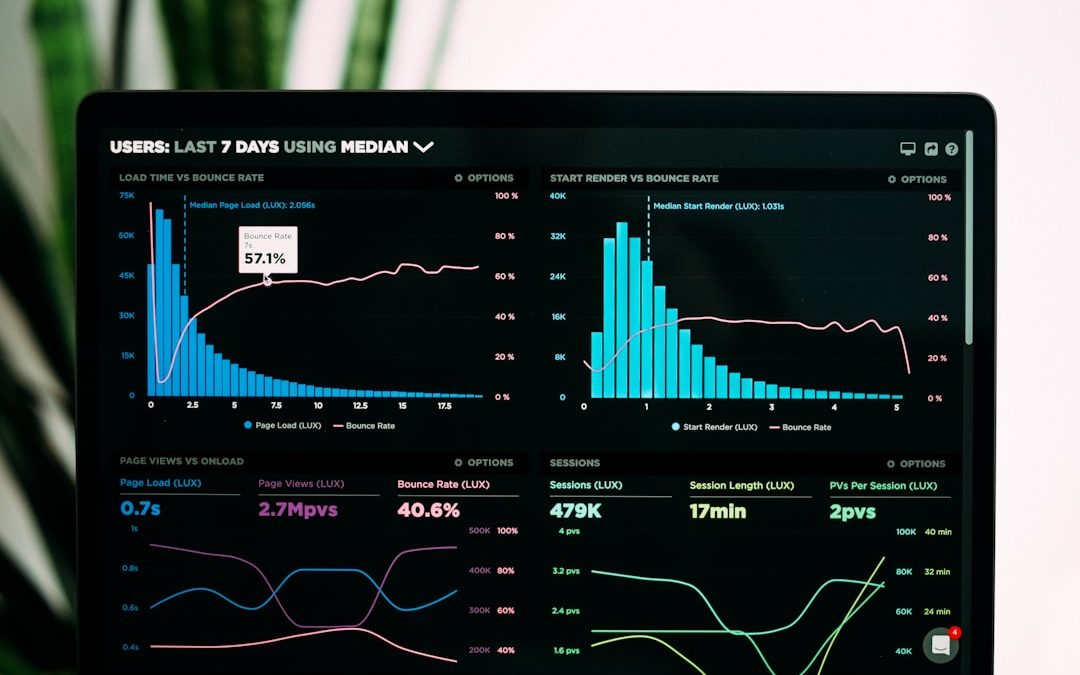

Mobile and SaaS businesses increasingly depend on subscription revenue to drive predictable growth. However, managing subscriptions through app stores and direct billing platforms presents significant analytical challenges. In-app purchase analytics software has emerged as a critical solution for navigating complex revenue streams, understanding user behavior, reducing churn, and ensuring compliance with evolving platform policies. For organizations that rely on recurring revenue, adopting a robust analytics framework is not optional—it is essential for sustainable performance.
TLDR: In-app purchase analytics software helps businesses track, optimize, and forecast subscription revenue. It provides visibility into customer behavior, churn patterns, and pricing performance. Advanced tools integrate with app stores and payment gateways to centralize data and automate reporting. Choosing the right platform improves retention, maximizes lifetime value, and ensures financial accuracy.
Why Subscription Analytics Matters
Subscription-based models appear straightforward on the surface: users subscribe, pay recurring fees, and optionally renew. In practice, subscription ecosystems are dynamic and complex. Upgrades, downgrades, family plans, promotional pricing, regional tax adjustments, refunds, grace periods, and failed payments shape revenue realities.
Without centralized analytics, teams face fragmented data across:
- App Store and Google Play dashboards
- Direct web billing systems
- Third-party payment processors
- Customer relationship management tools
- Marketing attribution platforms
In-app purchase analytics software consolidates these datasets into a coherent, actionable view. It enables finance, product, and growth teams to operate from aligned metrics rather than siloed reporting.
Core Capabilities of In-App Purchase Analytics Platforms
Serious subscription management requires more than tracking total revenue. Advanced analytics tools typically offer the following capabilities:
1. Real-Time Revenue Tracking
Accurate revenue reporting must account for refunds, chargebacks, proration adjustments, and currency fluctuations. High-quality tools provide:
- Net revenue dashboards
- Tax and fee breakdowns
- Multi-currency normalization
- Automated financial reconciliation
2. Subscriber Lifecycle Insights
Understanding when and why subscribers churn is fundamental. Analytics platforms allow teams to:
- Track cohort retention over time
- Identify drop-off points in onboarding
- Analyze renewal rates by plan type
- Detect failed payments and grace period behavior
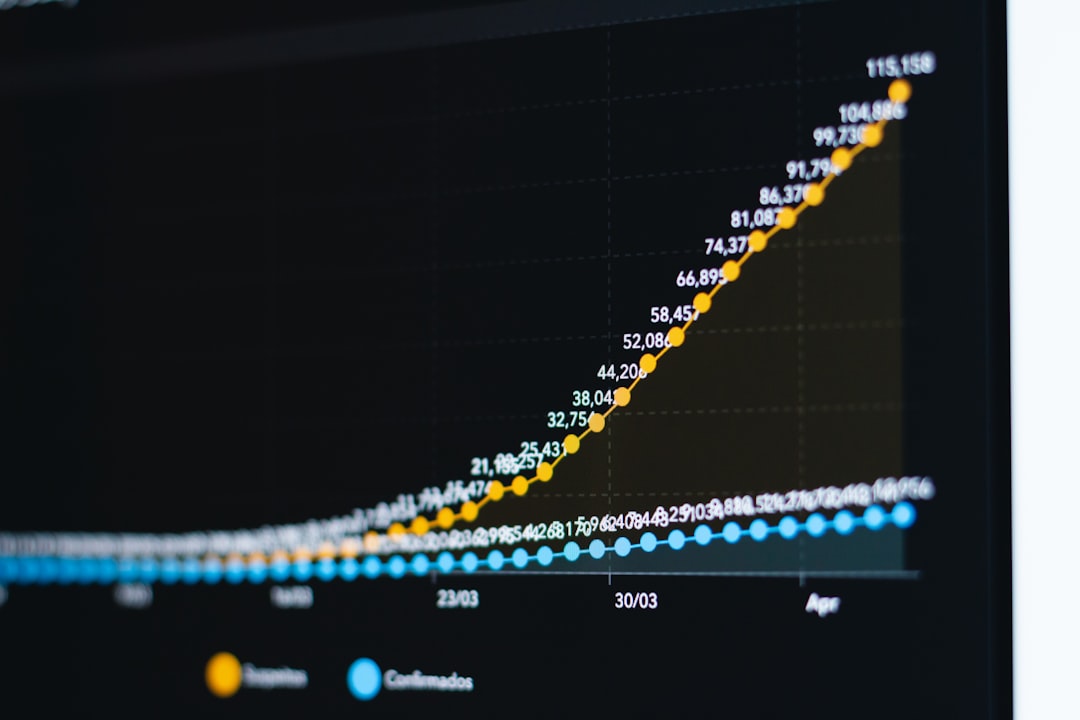
3. Cohort and Segmentation Analysis
Subscription performance varies significantly across acquisition channels, geographies, and device types. Segmentation helps answer critical questions:
- Do users acquired through paid ads retain as well as organic users?
- Which countries deliver the highest lifetime value?
- How does annual pricing compare to monthly plans?
Granular analysis clarifies where marketing investment yields long-term profitability.
4. Churn and Retention Modeling
Predictive capabilities distinguish basic analytics tools from enterprise-grade solutions. With machine learning models, businesses can:
- Forecast churn probability
- Trigger automated retention campaigns
- Test win-back incentives
- Estimate lifetime value dynamically
5. Compliance and Reporting
Subscription businesses operate under strict regulatory frameworks, including revenue recognition standards and consumer protection laws. Robust analytics software supports:
- Deferred revenue tracking
- Audit-ready export capabilities
- Compliance with accounting standards
- Regional tax reporting
Key Metrics Every Subscription Business Should Monitor
Analytics tools become meaningful when they translate raw data into decision-making metrics. The following measurements are foundational:
- Monthly Recurring Revenue (MRR) – Predictable income from active subscriptions.
- Annual Recurring Revenue (ARR) – Scaled projection of recurring revenue.
- Customer Lifetime Value (LTV) – Expected total revenue per subscriber.
- Churn Rate – Percentage of subscribers lost in a given period.
- Average Revenue Per User (ARPU) – Revenue divided by active subscribers.
- Renewal Rate – Percentage of users continuing their subscription.
Effective in-app purchase analytics software calculates these metrics automatically and updates them in real time.
Leading In-App Purchase Analytics Tools
Several specialized platforms dominate the subscription analytics ecosystem. Below is a comparison of well-established solutions, each catering to different scales and operational needs.

| Platform | Best For | Key Strengths | Integrations |
|---|---|---|---|
| RevenueCat | Mobile-first subscription apps | Real-time subscription status, simplified store integration | App Store, Google Play, Stripe |
| Appsflyer | Marketing attribution and analytics | Advanced attribution, cohort analysis | Ad networks, mobile measurement partners |
| Adjust | Growth-focused teams | Fraud prevention, retention insights | Ad platforms, mobile analytics tools |
| Mixpanel | Behavioral product analytics | Event-based user tracking, segmentation | Custom APIs, marketing automation tools |
| Baremetrics | SaaS subscription companies | Financial forecasting, revenue recognition | Stripe, payment processors |
While some tools specialize in financial reporting and billing analytics, others emphasize marketing performance or user behavior tracking. The best choice depends on organizational structure, scale, and technical infrastructure.
How In-App Purchase Analytics Improves Decision-Making
Adopting analytics software transforms subscription management from reactive reporting into strategic planning. Key organizational benefits include:
Improved Pricing Strategy
Testing introductory offers, annual discounts, or tiered access models requires measurable feedback. Analytics platforms track conversion rates from trial to paid, helping determine optimal price points.
Data-Driven Product Development
Subscription cancellations often correlate with reduced feature usage. By mapping engagement events to subscription retention, product teams identify feature gaps and prioritize improvements.
Marketing Spend Optimization
Without lifetime value tracking, acquisition campaigns may appear profitable on the surface while generating high churn. Integrated analytics reveal true LTV-to-CAC (customer acquisition cost) ratios.
Accurate attribution ensures marketing budgets are allocated to channels that drive long-term subscribers—not just one-time purchases.
Operational Forecasting
Finance departments depend on revenue predictability. Forecast models within analytics tools project future recurring income, incorporating churn trends and renewal probabilities. These projections support hiring, infrastructure investment, and shareholder reporting.
Evaluating Software: Key Selection Criteria
When selecting an in-app purchase analytics platform, decision-makers should evaluate:
- Integration Depth: Does it connect directly to app store APIs?
- Data Accuracy: How are refunds and taxes handled?
- Scalability: Can it support millions of subscribers?
- Customization: Are dashboards configurable?
- Security: Does it comply with data protection standards?
- Automation Capabilities: Can alerts and reports be scheduled?

Security deserves particular scrutiny. Subscription data includes personally identifiable information and payment records. Enterprise-grade platforms implement encryption, role-based access controls, and compliance certifications.
Common Implementation Challenges
Transitioning to a centralized analytics platform may present obstacles:
- Data inconsistencies between app store records and internal databases
- Complex historical data migration
- Alignment between finance and product teams on metric definitions
- Training staff to interpret advanced analytics dashboards
Clear metric standardization is essential. For example, defining churn differently across teams leads to misaligned strategies and inaccurate forecasts. Leading organizations implement cross-functional metric governance to maintain consistency.
The Future of Subscription Analytics
As subscription ecosystems evolve, analytics software is incorporating increasingly advanced capabilities:
- AI-driven churn prediction based on behavioral signals
- Automated retention workflows triggered by risk scoring
- Dynamic pricing experimentation using real-time conversion data
- Voice-of-customer integration to merge qualitative and quantitative insights
Furthermore, regulatory developments around data privacy and app store policies will continue shaping reporting requirements. Flexibility and regular product updates will be critical evaluation factors moving forward.
Conclusion
In-app purchase analytics software plays a foundational role in the success of modern subscription businesses. It transforms fragmented transactional data into actionable intelligence that informs pricing, marketing, product development, and financial planning. By centralizing revenue reporting and subscriber lifecycle insights, organizations gain the clarity needed to reduce churn and maximize lifetime value.
Trusted analytics infrastructure is not merely a reporting tool—it is a strategic asset. Companies that invest in accurate, scalable subscription management systems position themselves for predictable growth in an increasingly competitive digital marketplace.
For executives and technical leaders alike, the decision to implement robust in-app purchase analytics software should be viewed as a long-term investment in clarity, accountability, and data-driven growth.


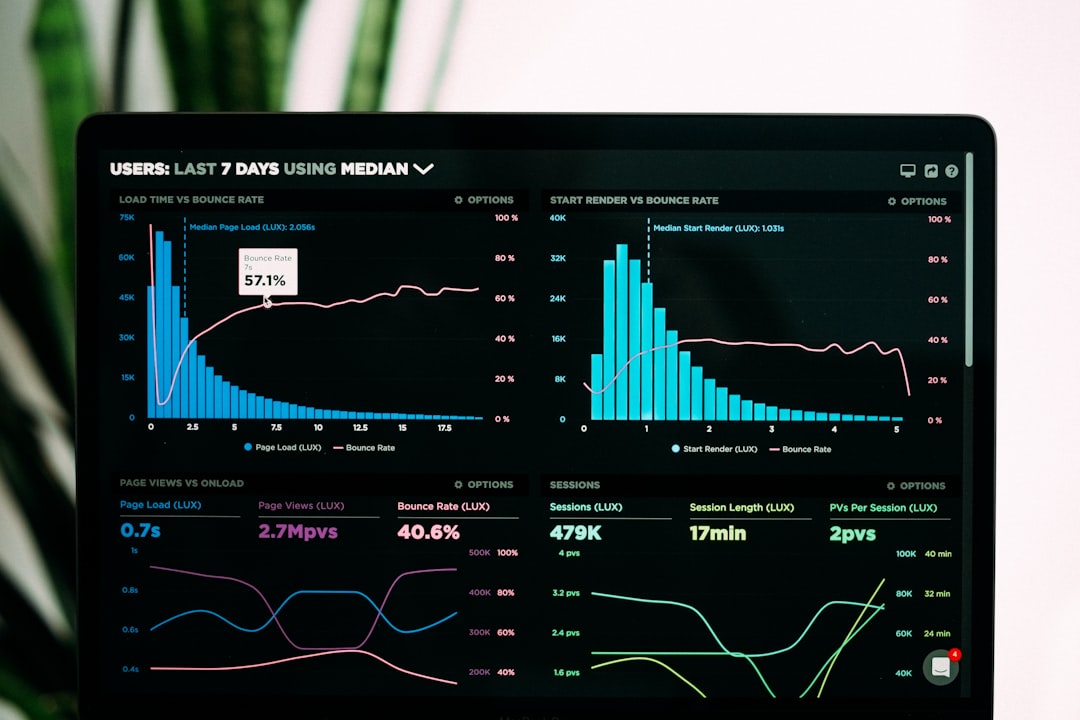
B2B Audience Segmentation: Segment vs. HubSpot for Delivering Personalized Campaigns
Segment is the better choice for B2B teams with complex data, while HubSpot is the better choice for teams that…