


Modern software teams rely heavily on APIs and webhooks to connect services, automate workflows, and synchronize data across platforms. During development and troubleshooting, tools like Webhook.site have become popular for capturing, inspecting, and debugging HTTP requests. However, as businesses grow and requirements become more complex, many begin exploring alternative platforms that offer advanced security, collaboration features, automation workflows, and enterprise-grade scalability.
TLDR: While Webhook.site is a convenient tool for capturing and inspecting HTTP requests, many businesses outgrow its basic feature set. Alternatives such as RequestBin, Postman, Beeceptor, Hookdeck, and ngrok provide enhanced collaboration, monitoring, automation, and scalability. Companies choose these platforms to gain better observability, stronger security controls, and more flexible integration testing environments. The right tool depends on whether the priority is debugging simplicity, workflow automation, or enterprise reliability.
Why Businesses Look Beyond Simple Webhook Capture Tools
Webhook testing tools originally focused on offering a temporary endpoint for developers to inspect payloads. While this remains useful, modern teams often need more:
- Persistent request storage for long-term troubleshooting
- Team collaboration features such as shared workspaces
- Advanced filtering and routing of webhook events
- Replay functionality for testing retry scenarios
- Security and compliance controls for enterprise environments
As APIs become the backbone of digital infrastructure, webhook testing is no longer just about viewing JSON payloads—it’s about visibility, reliability, and automation.
1. RequestBin
Best for: Simple request inspection with open source flexibility.
RequestBin is one of the earliest tools designed for capturing HTTP requests. It allows developers to generate a unique endpoint and inspect incoming payloads in real time. Many developers appreciate its simplicity and the ability to self-host open source versions.
Key Features:
- Real-time payload inspection
- Custom response configuration
- Lightweight and easy setup
- Open source deployment options
For startups or small teams that only need temporary inspection during development, RequestBin remains a strong contender. However, it lacks deeper analytics and workflow features that larger organizations may require.
2. Postman
Best for: End-to-end API development and collaboration.
Postman has evolved from a simple API client to a comprehensive API development platform. Its webhook testing and mock server capabilities make it a powerful alternative to Webhook.site.
Instead of merely capturing requests, Postman supports:
- Mock servers for simulating webhook responses
- Automated test scripting
- Team workspaces and version control
- Monitoring and scheduled API tests
Businesses that want continuous integration and automated API validation often adopt Postman because it connects webhook debugging to the full software lifecycle.
3. Beeceptor
Best for: Creating mock REST APIs and simulating backend behavior.
Beeceptor enables businesses to design custom endpoints and define complex response rules. It is particularly useful when development teams need to simulate backend systems before they are fully built.
Notable advantages:
- Rule-based response customization
- Request filtering and transformations
- Simulated error scenarios
- Easy UI for quick endpoint creation
This makes Beeceptor ideal for QA teams and frontend developers working in parallel with backend teams.

4. Hookdeck
Best for: Webhook reliability and event monitoring at scale.
Hookdeck approaches webhook testing from a reliability and observability perspective. Instead of functioning solely as a debugging endpoint, it acts as an event gateway that provides:
- Event queuing and routing
- Dead letter queues
- Retry management
- Event filtering and transformation
For companies handling large volumes of webhook traffic—such as ecommerce platforms or SaaS products—Hookdeck provides resilience that goes far beyond basic request inspection.
5. ngrok
Best for: Exposing local servers securely to the internet.
Unlike traditional webhook capture tools, ngrok creates secure tunnels to local environments. This allows external services to send webhook events directly to a developer’s local machine during testing.
Key strengths include:
- Secure tunneling with HTTPS
- Real-time request inspection
- Traffic replay functionality
- Authentication and IP restrictions
For developers who want to test webhooks in their real application environment rather than a mock endpoint, ngrok is frequently the preferred solution.
6. Svix
Best for: Managed webhook infrastructure.
Svix focuses on helping businesses send webhooks reliably, rather than just inspect them. It offers signing, retries, logging, and monitoring—essential components for SaaS companies delivering webhooks to customers.
Companies moving from manual webhook debugging toward production-grade infrastructure often choose managed solutions like Svix to reduce operational complexity.
Comparison Chart
| Tool | Best For | Collaboration Features | Advanced Routing | Enterprise Scalability |
|---|---|---|---|---|
| RequestBin | Simple inspection | Limited | No | Low |
| Postman | Full API lifecycle | Strong | Via scripting | High |
| Beeceptor | Mock APIs | Moderate | Rule-based | Medium |
| Hookdeck | Webhook reliability | Team-focused | Advanced | High |
| ngrok | Local tunneling | Team plans available | Basic replay | High |
| Svix | Managed webhook delivery | Enterprise ready | Advanced | Very High |
How Businesses Choose the Right Alternative
The decision typically depends on three factors:
1. Volume of Webhook Traffic
Low-volume internal testing may only require lightweight tools. High-volume transactional systems need robust routing and retry logic.
2. Collaboration Requirements
Larger teams benefit from shared dashboards, monitoring, and permissions management.
3. Security and Compliance
Enterprises handling sensitive data must consider encryption, access controls, audit logs, and compliance certifications.
In many cases, companies start with simple capture tools and eventually graduate to event gateways or full API lifecycle platforms.
The Shift Toward Observability and Automation
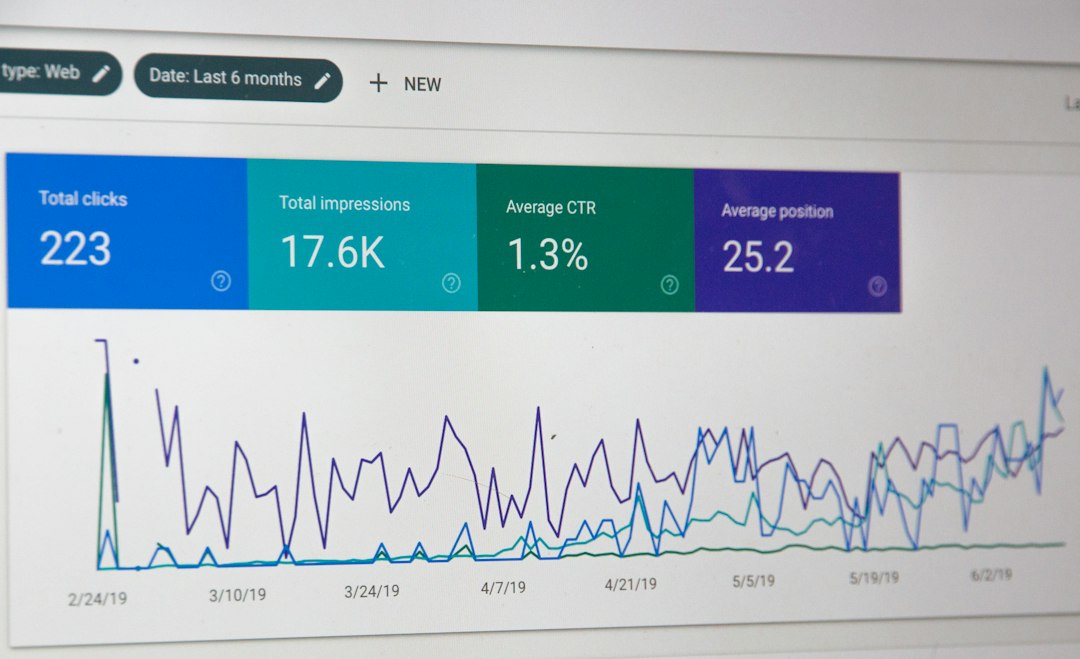
Webhook testing is increasingly becoming part of a broader observability strategy. Rather than just capturing data, businesses now analyze:
- Failure rates
- Retry success percentages
- Delivery latency
- Endpoint health metrics
Tools like Hookdeck and Svix emphasize event tracing and analytics dashboards, reflecting this shift from debugging to proactive monitoring.
At the same time, CI/CD pipelines demand automated API tests. Platforms like Postman integrate webhook simulations into automated build processes, ensuring integrations remain stable across software updates.
Final Thoughts
Webhook.site remains a valuable, lightweight tool for quick debugging sessions. However, as organizations scale, demands for reliability, automation, and collaboration increase. Alternatives such as Postman, Beeceptor, Hookdeck, ngrok, RequestBin, and Svix provide specialized capabilities that align with modern development workflows.
Choosing the right platform is less about replacing a tool and more about aligning capabilities with business maturity.
FAQ
1. Why would a company move away from Webhook.site?
Companies often require advanced features such as persistent logging, reporting, automated retries, collaboration tools, and enterprise security standards that basic webhook capture tools may not offer.
2. What is the best tool for enterprise webhook reliability?
Platforms like Hookdeck and Svix are frequently chosen for enterprise-grade reliability due to their monitoring, retry management, and event routing features.
3. Is ngrok a replacement for Webhook.site?
Not exactly. ngrok allows developers to expose their local environment to the internet for real-world testing, while Webhook.site captures and displays HTTP requests. They serve different though complementary purposes.
4. Which tool is best for team collaboration?
Postman stands out for collaboration through shared workspaces, version control, and automated testing workflows.
5. Are there open source alternatives available?
Yes. RequestBin offers open source options that teams can self-host, giving them greater control over their testing environment.
6. What should businesses prioritize when choosing a webhook testing tool?
They should consider scalability, security requirements, traffic volume, automation needs, and whether the tool fits into their broader API development and monitoring strategy.



How to Remove Sound From an iPhone Video: iMovie vs. CapCut
For a simple mute, iMovie is usually the safer choice on an iPhone; for social edits with music, captions, and…