


Accurate HCC coding is no longer a back-office function that can rely on manual effort alone. As risk adjustment programs mature and scrutiny increases, healthcare organizations need software that supports precise documentation, compliant coding, efficient workflows, and defensible audit trails. The right platform should help teams identify valid risk-adjusting conditions, reduce missed opportunities, and protect the organization from unsupported submissions.
TLDR: Effective HCC coding software should combine strong clinical intelligence, reliable ICD-10-CM and HCC mapping, documentation validation, workflow management, and audit-ready reporting. It should integrate smoothly with EHRs and claims systems while giving coders, clinicians, and compliance teams clear evidence for every coding decision. The best solutions improve accuracy without encouraging overcoding, support regulatory updates, and provide measurable insight into performance and risk adjustment outcomes.
1. Accurate and Current HCC Mapping
The foundation of any HCC coding solution is accurate mapping between ICD-10-CM codes and HCC categories. Since risk adjustment models are updated regularly, the software must reflect the latest CMS-HCC, HHS-HCC, or other applicable model requirements. Outdated mappings can lead to missed conditions, inappropriate submissions, compliance exposure, and revenue inaccuracies.
A trustworthy platform should clearly show how each diagnosis code maps to an HCC, whether the condition is risk-adjusting for the relevant model, and whether it must be supported by current-year documentation. It should also account for hierarchies, interaction factors, demographic variables, and model-specific exclusions. This transparency helps coding teams understand not only what the software recommends, but why.
- Current-year model updates for applicable risk adjustment programs
- Clear ICD-10-CM to HCC relationships with traceable logic
- Hierarchy handling to prevent duplicate or inappropriate condition capture
- Version control for historical and prospective coding reviews
2. Strong EHR and Data Integration
HCC coding software should not function as an isolated tool. It must connect with the systems where clinical and administrative data already reside, including electronic health records, claims platforms, lab systems, care management tools, and data warehouses. Without reliable integration, users waste time toggling between platforms, manually transferring information, and reconciling discrepancies.
Effective integration allows coders and clinicians to view relevant evidence in one place. Diagnoses, encounter notes, medication lists, lab results, problem lists, and historical claims can all contribute to a more complete risk profile. However, the software should distinguish between suggestive evidence and valid coding support. A medication or lab value may indicate a possible condition, but it does not replace provider documentation.

3. Clinical Documentation Validation
One of the most important features in HCC coding software is the ability to validate whether a diagnosis is adequately documented. HCC coding depends on more than simply finding a diagnosis in a chart. The condition must generally be documented by an acceptable provider, supported within an appropriate encounter, and meet required standards such as MEAT: monitoring, evaluation, assessment, or treatment.
Software should help identify whether documentation supports active management of the condition. For example, a diagnosis listed only in a past medical history section may not be sufficient. A stronger platform helps users locate the specific note, date of service, provider, and supporting clinical context associated with the diagnosis.
- MEAT evidence detection within clinical notes
- Provider attribution to confirm acceptable documentation sources
- Date of service tracking for current-year validation
- Source document links for quick verification
- Warnings for weak or unsupported documentation
This feature is essential for compliance. A system that merely suggests HCCs without validating support may increase short-term coding volume but create long-term audit risk.
4. Intelligent Suspect Condition Identification
High-quality HCC coding software should help identify suspect conditions that may require provider review. These suggestions may be based on prior-year diagnoses, medication patterns, lab abnormalities, specialist notes, or repeated claims history. When used responsibly, suspect identification helps close legitimate documentation gaps and supports more complete patient assessment.
However, suspect logic must be carefully designed. The software should not present speculative conditions as if they are confirmed diagnoses. Instead, it should separate confirmed, documented conditions from possible conditions that require clinical validation. This distinction protects providers from inappropriate prompts and helps organizations maintain ethical coding practices.
Useful suspect condition features include confidence scoring, evidence summaries, and provider-facing prompts written in clinically appropriate language. The goal is not to push more codes into the chart; the goal is to ensure that real, active conditions are assessed and documented when clinically relevant.
5. Natural Language Processing with Human Oversight
Natural language processing, often called NLP, can be extremely valuable in HCC coding. It can scan large volumes of clinical text to locate diagnoses, assessment language, treatment references, complications, and negations. For example, NLP should understand the difference between “history of stroke,” “rule out stroke,” and “patient assessed for residual effects of stroke.”
Still, NLP should support professional judgment rather than replace it. An effective system provides evidence snippets, document references, confidence levels, and context around the suggested code. Coders should be able to accept, reject, or query findings based on organizational policy and coding guidelines.
The seriousness of risk adjustment requires a balance between automation and accountability. Software that makes recommendations without explainability can be difficult to defend in an audit. By contrast, NLP that shows its reasoning improves efficiency while preserving coder control.
6. Provider Query and Collaboration Tools
HCC accuracy depends heavily on communication between coders and clinicians. When documentation is unclear, incomplete, or inconsistent, the software should provide a structured way to send compliant provider queries. These queries should be clear, neutral, and designed to clarify the clinical facts rather than lead the provider to a particular response.
A robust platform should allow users to assign questions, track responses, document resolution, and maintain a permanent record of the exchange. It should also support role-based access so that coders, CDI specialists, physicians, auditors, and administrators interact with the system according to their responsibilities.
- Compliant query templates for common documentation gaps
- Task assignment and status tracking
- Secure messaging tied to the patient chart or review case
- Escalation workflows for unresolved items
- Audit history of query creation, response, and final coding action
7. Comprehensive Audit Trails
Every coding decision should be traceable. HCC coding software should maintain a complete audit trail showing who reviewed a record, what evidence was considered, what codes were added or removed, and why. This is especially important for organizations participating in Medicare Advantage, accountable care arrangements, marketplace plans, or value-based contracts.

Audit trails should not be an afterthought. They should be built into the daily workflow so that compliance evidence is captured naturally as users work. A strong audit trail includes timestamps, user actions, documentation sources, coding rationale, query history, and final disposition. If a code is challenged months or years later, the organization should be able to reconstruct the decision with confidence.
8. Compliance and Regulatory Support
HCC coding is subject to changing regulations, payer requirements, and model updates. Software should support compliance not only through accurate coding logic, but also through policy controls and alerts. This may include reminders for annual recapture, warnings about unsupported chronic conditions, and flags for diagnoses that commonly require stronger documentation.
The platform should also support internal compliance policies. Organizations may need custom rules based on payer contracts, provider groups, audit findings, or operational risk. For example, a compliance team may decide that certain high-risk HCC categories require secondary review before submission. The software should make such rules easy to configure and enforce.
Important compliance features include:
- Configurable review rules for high-risk diagnoses
- Regulatory update management with clear release notes
- Role-based permissions to limit inappropriate access
- HIPAA-conscious security controls
- Reporting for internal and external audits
9. Workflow Management and Productivity Tools
Even the most intelligent coding software will fail if it does not fit real-world workflows. Coders and reviewers need intuitive queues, prioritization tools, worklists, filters, and status indicators. Managers need visibility into productivity, backlog, quality scores, and turnaround times.
Good workflow design helps organizations focus resources where they have the greatest impact. For example, the system might prioritize patients with upcoming visits, members with significant documentation gaps, or charts awaiting provider clarification. It should also prevent duplicate work by showing when a chart is already under review or when a diagnosis has already been validated.
Useful productivity features include bulk assignment, customizable queues, saved filters, reviewer notes, quality checks, and dashboard views. The goal is not merely to code faster; it is to code more consistently and with fewer avoidable errors.
10. Analytics and Performance Reporting
Leadership teams need reliable analytics to understand coding performance, risk adjustment trends, and compliance exposure. HCC coding software should provide dashboards that show capture rates, recapture rates, suspected gaps, coder productivity, provider response rates, and audit outcomes.
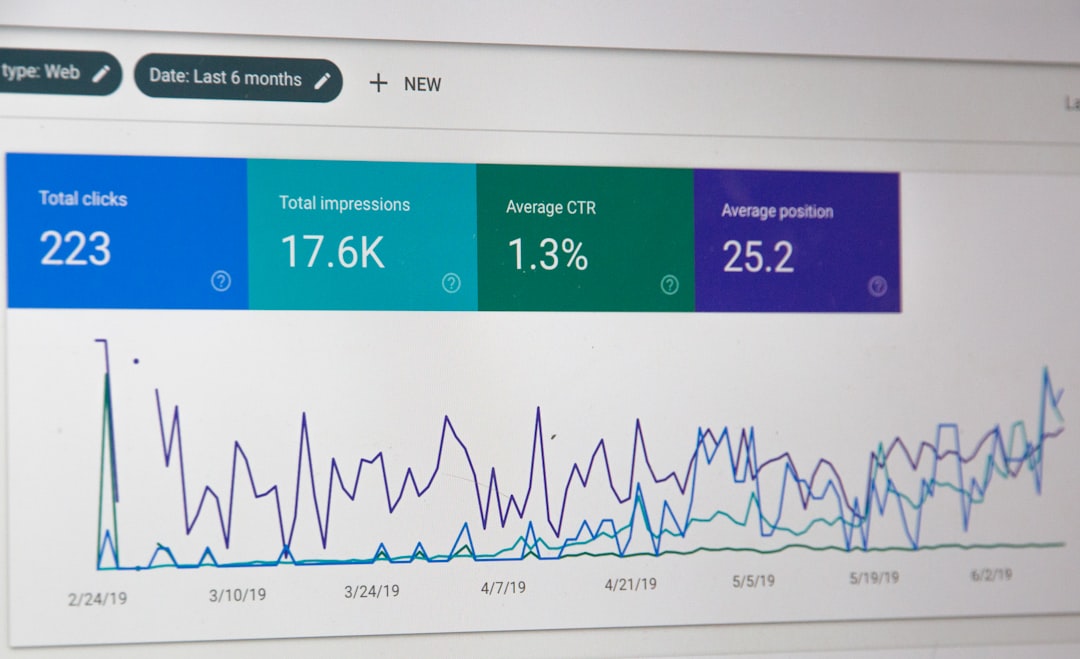
Analytics should be actionable rather than decorative. A dashboard that shows overall risk scores may be useful, but deeper insight comes from understanding why scores changed, which conditions were captured or missed, and whether documentation quality improved. Reporting should support operational management as well as strategic planning.
- HCC capture and recapture trends
- Provider-level documentation patterns
- Coder accuracy and productivity metrics
- Suspect condition resolution rates
- Audit pass rates and denial patterns
11. User-Friendly Design for Coders and Clinicians
Medical coding is complex enough without confusing software. A strong HCC platform should present information clearly, reduce unnecessary clicks, and make evidence easy to verify. Coders should be able to move efficiently from a suggested diagnosis to the supporting note, then to the coding decision and final disposition.
Clinician-facing features should be especially thoughtful. Providers are more likely to respond to concise, clinically relevant prompts than long coding messages. The interface should respect provider time and avoid alert fatigue. When prompts are too frequent, poorly timed, or not clinically meaningful, users begin to ignore them.
A trustworthy system recognizes that adoption is a core feature, not a cosmetic concern. Software that is technically powerful but difficult to use may produce inconsistent results and lower confidence among staff.
12. Security, Privacy, and Access Controls
Because HCC coding software handles protected health information, security must be central to the platform. The system should support encryption, secure authentication, access logs, role-based permissions, and appropriate data retention policies. It should also integrate with organizational identity management tools where possible.
Access should follow the principle of least privilege. A coder may need chart review access, while a manager may need reporting access, and an auditor may need read-only access to completed reviews. These distinctions help reduce privacy risk and support compliance with healthcare data protection requirements.
13. Customization Without Loss of Control
Every healthcare organization has unique workflows, payer mixes, provider structures, and compliance priorities. HCC coding software should be configurable enough to support these differences. Custom work queues, review rules, report formats, query templates, and prioritization criteria can make the system far more useful.
At the same time, customization should be governed. If every user can alter rules freely, coding consistency may suffer. The best platforms allow flexibility while maintaining administrative oversight, change tracking, and standardized policies.
14. Vendor Support and Training
Software quality is not limited to technical features. Implementation support, training, documentation, and customer service are also critical. HCC coding teams need clear guidance on how to use the system correctly, interpret recommendations, manage updates, and troubleshoot issues.
A reliable vendor should understand healthcare operations, risk adjustment, coding compliance, and data integration. Training should be available for coders, providers, auditors, and administrators, with materials updated as the software and regulations evolve. Ongoing support is particularly important after model updates, payer rule changes, or internal workflow redesigns.
Conclusion
The best HCC coding software does more than identify codes. It supports a disciplined, evidence-based process for capturing legitimate risk-adjusting conditions, improving documentation, and maintaining compliance. Key features include current HCC mapping, EHR integration, documentation validation, NLP, provider collaboration, audit trails, analytics, security, and configurable workflows.
Organizations should evaluate HCC coding technology with both operational efficiency and regulatory integrity in mind. A serious platform should make coding teams faster, but it should also make their decisions more transparent, consistent, and defensible. In a risk adjustment environment where accuracy and accountability matter, the right software becomes a strategic safeguard as well as a productivity tool.


How to Remove Sound From an iPhone Video: iMovie vs. CapCut
For a simple mute, iMovie is usually the safer choice on an iPhone; for social edits with music, captions, and…