
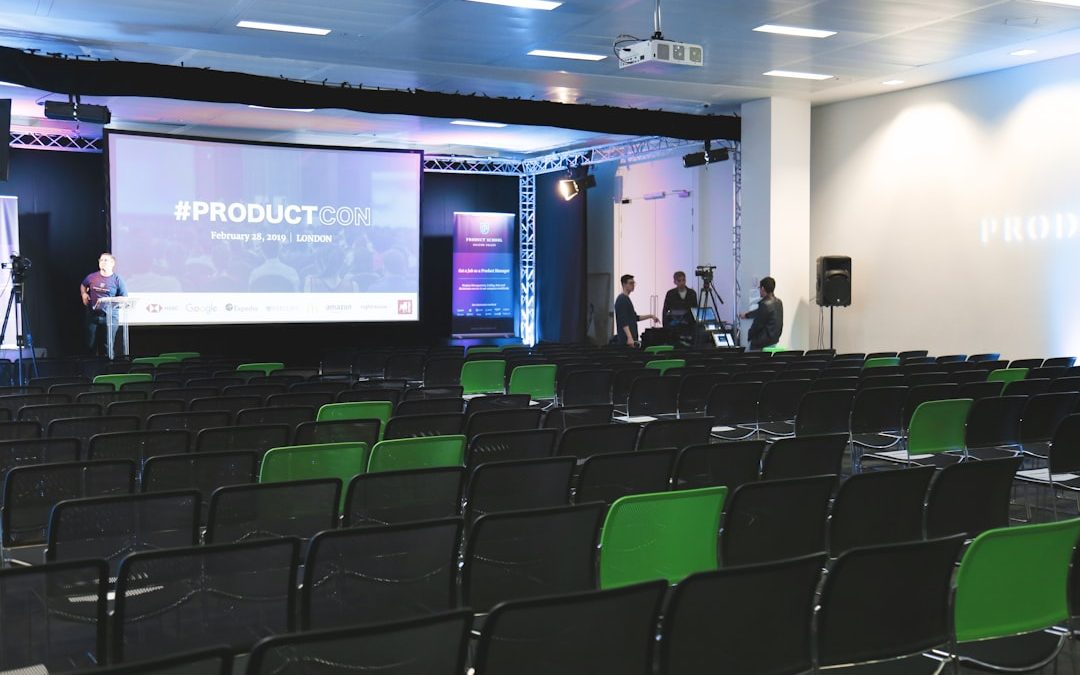

Modern event teams need more than registration pages and reminder emails. The strongest event marketing platforms help organizations promote conferences, host webinars, manage hybrid experiences, analyze attendee behavior, and prove return on investment. For teams comparing options, the best choice usually depends on event size, audience type, integrations, and how much automation is required.
TLDR: The best event marketing platforms combine registration, promotion, engagement, analytics, and follow-up tools in one workflow. Cvent and Bizzabo are strong for large conferences, while Zoom Events and Goldcast are excellent for webinars and virtual programs. Eventbrite suits public events and ticketing, while Splash is ideal for branded field marketing and smaller corporate events.
What Makes an Event Marketing Platform Useful?
A good event marketing platform does not simply publish an event page. It supports the full attendee journey, from discovery and registration to engagement, lead capture, and post-event nurturing. The best platforms typically include custom landing pages, email campaigns, ticketing or registration, audience segmentation, sponsor tools, mobile apps, virtual rooms, reporting dashboards, and CRM integrations.
For conferences, planners often need agenda builders, badge printing, exhibitor management, and onsite check-in. For webinars, marketing teams usually prioritize automation, video quality, attendance tracking, and lead scoring. For hybrid events, the platform must connect in-person and remote audiences without creating two separate experiences.
1. Cvent
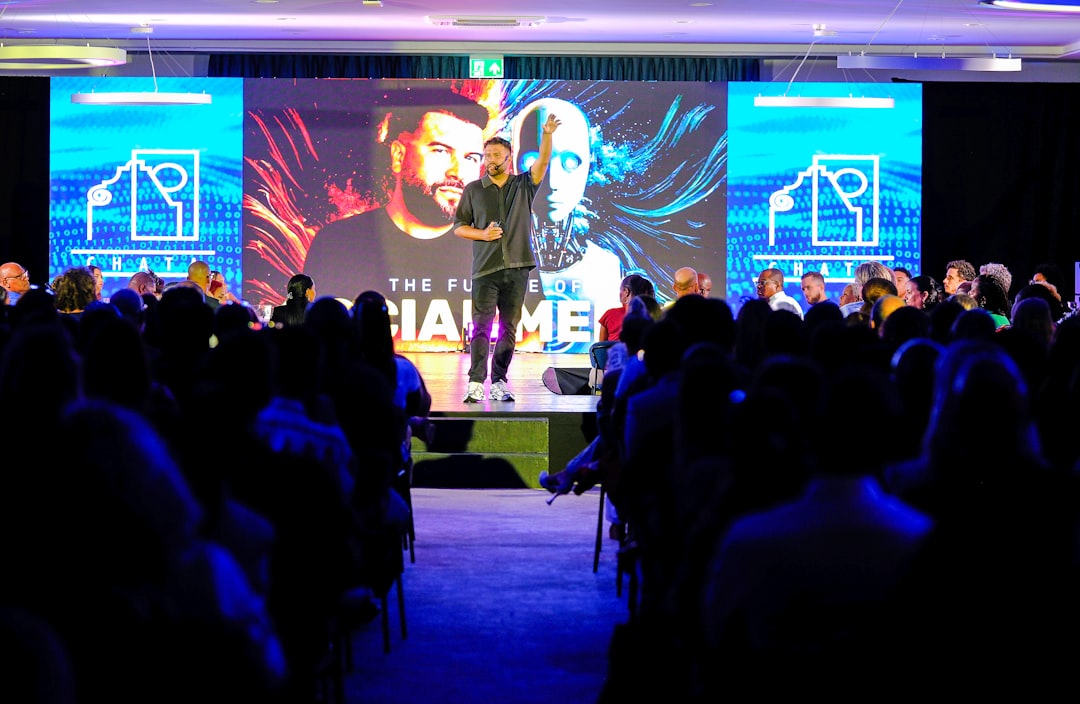
Cvent is one of the most established platforms for large conferences, trade shows, corporate meetings, and complex event programs. It is especially useful for organizations that manage multiple events across regions, departments, or business units.
The platform includes registration, venue sourcing, event websites, email marketing, attendee management, mobile event apps, onsite check-in, badge printing, exhibitor tools, and detailed analytics. Its reporting features make it easier for event teams to measure registration trends, attendance, session performance, and attendee engagement.
Best for: enterprise conferences, association events, trade shows, and organizations with high-volume event operations.
Key advantage: Cvent offers depth and scalability. It is not always the simplest platform for small teams, but it is powerful for organizations that need advanced control, compliance, and event data management.
2. Bizzabo
Bizzabo is a popular event experience platform built for conferences, customer events, leadership summits, and hybrid programs. It focuses heavily on attendee experience, branding, and measurable business outcomes.
Its tools include registration, agenda management, event websites, networking features, sponsor areas, mobile apps, attendee engagement, and analytics. Bizzabo also supports hybrid events by helping organizers connect onsite attendees with virtual participants through content, networking, and digital engagement tools.
Best for: mid-market and enterprise teams that want a polished, branded conference experience.
Key advantage: Bizzabo balances marketing, operations, and engagement. Its interface and event design capabilities make it attractive to teams that want events to feel premium, not just functional.
3. Zoom Events
Zoom Events builds on the familiarity of Zoom Meetings and Webinars, making it a practical option for organizations that already rely on Zoom for communication. It supports single-session webinars, multi-session virtual conferences, internal events, and hybrid programming.
The platform includes event hubs, registration, ticketing, lobby areas, session hosting, networking, sponsor visibility, and attendee analytics. Because many attendees already understand Zoom, adoption is often easier compared with platforms that require a completely new interface.
Image not found in postmetaBest for: webinars, virtual conferences, internal training, customer education, and hybrid sessions.
Key advantage: Zoom Events is familiar and reliable. It is particularly strong for teams that need video-first event delivery without a long learning curve.
4. Goldcast
Goldcast is designed for B2B marketers who use events as a demand generation channel. It is especially effective for webinars, product launches, customer events, and thought leadership programs where attendee data must flow into sales and marketing systems.
Goldcast offers branded event pages, live and on-demand video, interactive engagement tools, speaker management, audience analytics, and integrations with CRM and marketing automation platforms. Its strength lies in connecting event behavior with pipeline insights, such as who attended, which sessions generated engagement, and which accounts showed buying intent.
Best for: B2B webinars, product marketing events, customer education, and revenue-focused virtual events.
Key advantage: Goldcast is built with marketers in mind. It helps teams turn attendance and engagement into actionable follow-up for sales and customer success teams.
5. Eventbrite
Eventbrite is widely known for event discovery, ticketing, and registration. It is a strong choice for public events, community conferences, workshops, nonprofit programs, festivals, and paid educational sessions.
The platform makes it relatively simple to create event pages, sell tickets, manage attendee lists, issue discounts, send emails, and track registrations. Its marketplace also helps events gain visibility among people actively searching for things to attend.
Best for: public events, ticketed conferences, local workshops, community programs, and creator-led events.
Key advantage: Eventbrite is accessible and fast to launch. While it may not provide the same enterprise-level conference management depth as Cvent or Bizzabo, it is effective for organizers that prioritize ticketing, promotion, and ease of use.
6. Splash
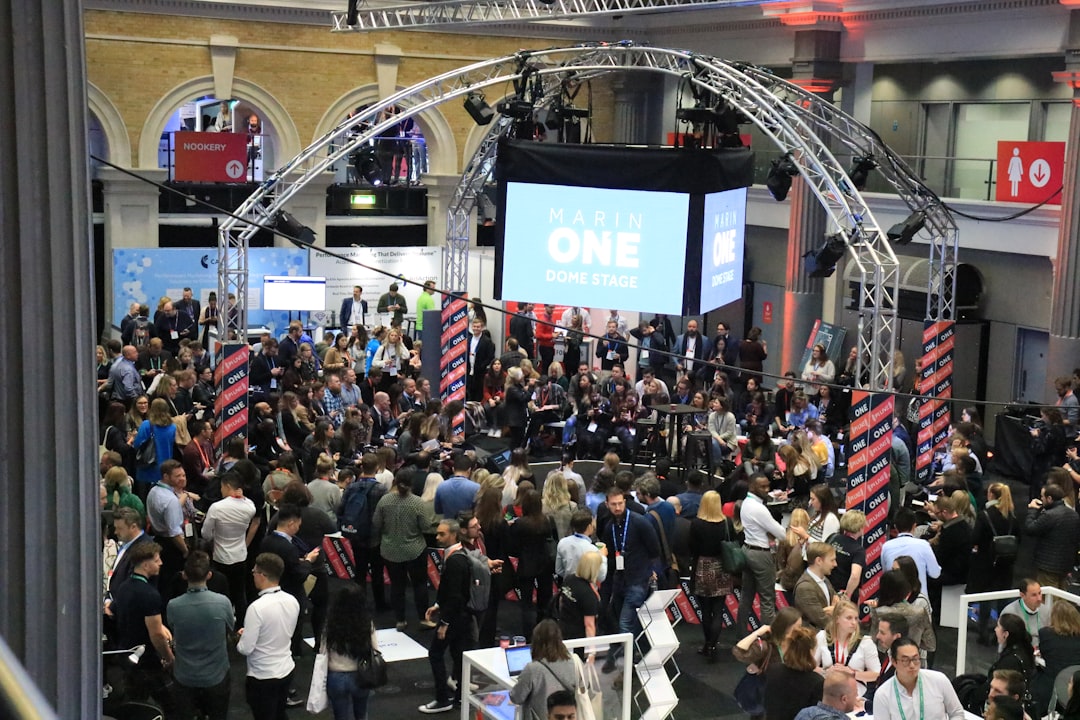
Splash is an event marketing platform focused on branded experiences, field marketing, recruiting events, product activations, executive dinners, and smaller corporate gatherings. It is particularly useful for teams that care deeply about brand consistency across many events.
Splash includes landing page creation, email marketing, registration, guest list management, check-in, templates, approvals, and analytics. It helps marketing teams launch repeatable event campaigns while maintaining design and messaging standards.
Best for: field marketing, recruiting, executive events, brand activations, and repeatable corporate event programs.
Key advantage: Splash helps teams create attractive, on-brand event experiences quickly. It is especially valuable for organizations running many smaller events rather than a few massive conferences.
How to Choose the Right Platform
- For large conferences: Cvent or Bizzabo usually provides the strongest feature set.
- For webinars and virtual events: Zoom Events or Goldcast may be the better fit.
- For ticketed public events: Eventbrite offers speed, visibility, and simple registration.
- For branded field marketing: Splash is a strong option for repeatable, design-focused events.
- For hybrid events: teams should confirm that the platform supports both onsite logistics and virtual engagement.
The final decision should consider budget, expected attendance, integration requirements, reporting needs, attendee experience, and internal team capacity. A platform with every possible feature may not be the best option if it is too complex for the team to use consistently.
FAQ
What is an event marketing platform?
An event marketing platform is software that helps organizations promote, manage, host, and measure events. It usually includes tools for registration, event pages, email campaigns, engagement, analytics, and follow-up.
Which platform is best for large conferences?
Cvent is often the strongest choice for large and complex conferences, while Bizzabo is also a strong option for branded conference experiences and hybrid events.
Which platform is best for webinars?
Zoom Events is a reliable webinar option because many users already know Zoom. Goldcast is especially strong for B2B webinar programs that need marketing and sales insights.
Which event platform is easiest to use?
Eventbrite is often one of the easiest platforms for simple ticketing and public event registration. Zoom Events is also easy for teams already familiar with Zoom.
Are event marketing platforms useful for hybrid events?
Yes. Hybrid events benefit from platforms that can manage onsite check-in, virtual sessions, attendee engagement, sponsor visibility, and analytics across both audiences.
How should a company compare event platforms?
A company should compare platforms by event format, audience size, budget, branding needs, integrations, reporting features, and ease of use. The best platform is the one that supports the event strategy without adding unnecessary complexity.


Why Is a VPN Important When Working Remotely? VPN vs ZTNA and Secure Remote Access Alternatives
A VPN matters for remote work because it encrypts traffic, hides risky connections, and gives employees safer access to company…