


For sales and customer service teams, outbound calling remains a critical channel for building relationships, qualifying opportunities, following up on inquiries, and resolving customer issues. However, manual dialing is time-consuming, inconsistent, and difficult to measure at scale. Outbound dialing software helps teams call more efficiently, manage contact lists, track performance, and improve the quality of every customer interaction.
TLDR: Outbound dialing software helps sales and customer service teams make more productive calls with less manual work. It improves efficiency, lead management, call consistency, reporting, and customer experience. When used responsibly, it can also support compliance, better training, and stronger revenue outcomes.
1. Higher Productivity Through Automated Calling
One of the most immediate benefits of outbound dialing software is the reduction of repetitive manual tasks. Instead of having agents search for phone numbers, dial manually, wait through unanswered calls, and update records after every attempt, the software can streamline much of this process.
Features such as preview dialing, power dialing, and progressive dialing help teams move from one call to the next more efficiently. This means representatives spend more time speaking with prospects or customers and less time managing administrative work.
For sales teams, this can translate into more conversations and more opportunities. For customer service teams, it can mean faster follow-ups, more completed callbacks, and better handling of outreach campaigns.

2. Better Lead and Contact Management
Outbound dialing software often connects with customer relationship management systems and contact databases. This integration allows teams to organize leads, segment audiences, prioritize call lists, and maintain accurate records of every interaction.
Rather than relying on spreadsheets or scattered notes, teams can view contact history, call outcomes, previous objections, purchase activity, and scheduled follow-ups in one place. This makes conversations more informed and professional.
- Sales representatives can prioritize warm leads, recent inquiries, or high-value prospects.
- Customer service agents can quickly understand the customer’s issue or history before placing a call.
- Managers can monitor list quality and ensure the right contacts are being reached at the right time.
Improved contact management reduces duplication, missed follow-ups, and inconsistent communication. It also helps teams create a more organized and reliable outreach process.
3. More Consistent Customer Conversations
Consistency is essential when multiple agents represent the same company. Outbound dialing software can support scripts, call notes, disposition codes, and guided workflows that help agents handle calls in a structured way.
This does not mean every conversation should sound robotic. In fact, good software gives agents the right information and prompts while still allowing them to speak naturally. The result is a more balanced approach: professional, accurate, and human.
For sales teams, consistent messaging ensures that product value, pricing, qualification questions, and next steps are communicated clearly. For service teams, it helps agents follow the correct process when confirming appointments, resolving cases, or conducting satisfaction calls.
Over time, this consistency can improve both performance and trust. Customers are more likely to respond positively when they receive clear information and a well-managed experience.
4. Stronger Performance Tracking and Reporting
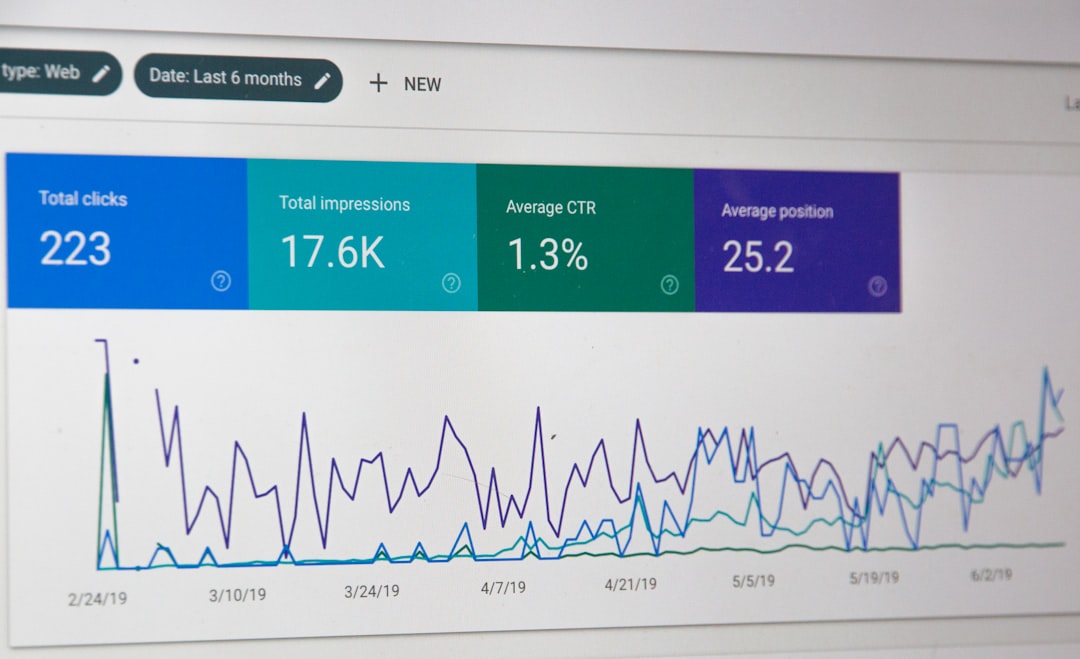
Without reliable data, it is difficult to know what is working. Outbound dialing software provides reporting tools that help managers evaluate call activity, connection rates, conversion rates, average call duration, agent availability, and campaign performance.
These insights are valuable because they replace guesswork with measurable evidence. Managers can identify which campaigns generate the best results, which scripts need improvement, and which agents may need additional support.
Common metrics include:
- Number of calls placed during a given period
- Answer and connection rates across campaigns
- Conversion or resolution rates by team, agent, or list
- Call outcomes, such as appointments booked, sales completed, or issues resolved
- Follow-up completion and callback success
With better reporting, teams can make informed decisions about staffing, training, campaign timing, and customer engagement strategies.
5. Improved Training and Quality Assurance
Outbound dialing platforms often include call recording, monitoring, and coaching tools. These features are especially useful for training new agents and improving the performance of experienced team members.
Managers can review real calls to understand how agents handle objections, answer questions, explain products, or resolve complaints. They can then provide targeted feedback based on actual interactions rather than general impressions.
Quality assurance also helps protect the company’s reputation. By reviewing calls, managers can identify whether agents are following approved language, respecting customer preferences, and maintaining a professional tone.
Effective coaching is not about criticism; it is about improvement. When agents receive specific guidance and examples, they can build confidence, improve call quality, and deliver better outcomes for customers.
6. Better Customer Experience and Faster Follow-Up
Outbound dialing software can improve customer experience by helping teams respond faster and communicate more reliably. Whether the purpose is to follow up on a sales inquiry, remind a customer about an appointment, confirm a service request, or check satisfaction after a purchase, timing matters.
Customers often become frustrated when they have to repeat information, wait too long for a callback, or receive calls that feel irrelevant. A well-managed outbound dialing system helps reduce these problems by giving agents access to context and helping teams schedule outreach at appropriate times.
For example, a sales representative can call shortly after a prospect submits a form. A service team can automatically queue callbacks for customers who requested assistance. A support manager can prioritize urgent cases or high-value accounts.
This kind of responsiveness can strengthen customer trust. It shows that the organization is organized, attentive, and respectful of the customer’s time.
7. Support for Compliance and Risk Management
Responsible outbound calling requires attention to regulations, consent, calling hours, opt-out requests, and internal policies. While software cannot replace legal guidance or proper training, it can help teams manage compliance more effectively.
Many outbound dialing tools include features such as do-not-call list management, call recording controls, consent tracking, time zone settings, and standardized dispositions. These tools help reduce the risk of accidental violations and create a clearer record of calling activity.
For organizations operating in regulated industries or across multiple regions, this is particularly important. A structured system makes it easier to apply rules consistently, document activity, and respond to customer requests.

Choosing the Right Outbound Dialing Software
Not every platform will suit every team. The right choice depends on call volume, team size, industry requirements, CRM needs, reporting expectations, and the type of outreach being performed. A small sales team may need simple power dialing and CRM integration, while a larger contact center may require advanced routing, analytics, compliance controls, and quality assurance tools.
When evaluating options, consider the following:
- Ease of use: Agents should be able to adopt the system without excessive complexity.
- Integration: The software should work well with existing CRM and support tools.
- Reporting depth: Managers need clear, actionable performance data.
- Compliance features: The platform should support responsible calling practices.
- Scalability: The system should grow with the team’s needs.
Conclusion
Outbound dialing software is more than a tool for making calls faster. Used properly, it becomes a central part of a disciplined sales and customer service operation. It helps teams increase productivity, manage contacts more effectively, improve conversation quality, measure performance, train agents, respond faster, and reduce operational risk.
For organizations that rely on outbound communication, the benefits can be significant. The key is to choose software that supports both business goals and customer expectations. When efficiency, data, professionalism, and compliance work together, outbound calling becomes a stronger and more reliable channel for growth and service.


WP Clone: Duplicator vs WPvivid for Cloning WordPress Websites
Pick Duplicator for a clean one-off move, and pick WPvivid if you want regular cloning, backups, and staging. That is…