

The best WordPress development company is usually an agency with proven performance work, clean custom development, and support for growth after launch. For most serious projects, the safest choices include enterprise WordPress agencies, WooCommerce specialists, custom plugin teams, and long-term maintenance partners that can move fast without creating a messy site that breaks six months later.
TLDR: A strong WordPress development company should cut build time, improve site speed, and keep the site ready for traffic spikes. For example, an online publisher moving from a slow custom CMS to an optimized WordPress setup could reduce page load time from 4.8 seconds to 1.9 seconds and raise ad viewability by 18%. The best pick depends on whether the business needs enterprise publishing, ecommerce, custom tools, or ongoing support. Price matters, but poor code gets expensive fast.
What Makes a WordPress Development Company Worth Hiring?
A top WordPress development company does more than install themes and plugins. It plans structure, speed, security, editing workflows, and future growth. The team should understand how WordPress behaves under load and how real users interact with content, forms, carts, and search.
The strongest companies usually offer:
- Custom theme development built around brand and performance goals.
- Plugin development for features that off-the-shelf tools cannot handle well.
- WooCommerce builds for stores with complex products, shipping, tax, or subscriptions.
- Performance optimization covering Core Web Vitals, caching, images, and database health.
- Security practices such as role control, update systems, backups, and code reviews.
- Scalable hosting guidance for sudden traffic bursts and global audiences.
- Ongoing support after launch, not just a handoff and silence.
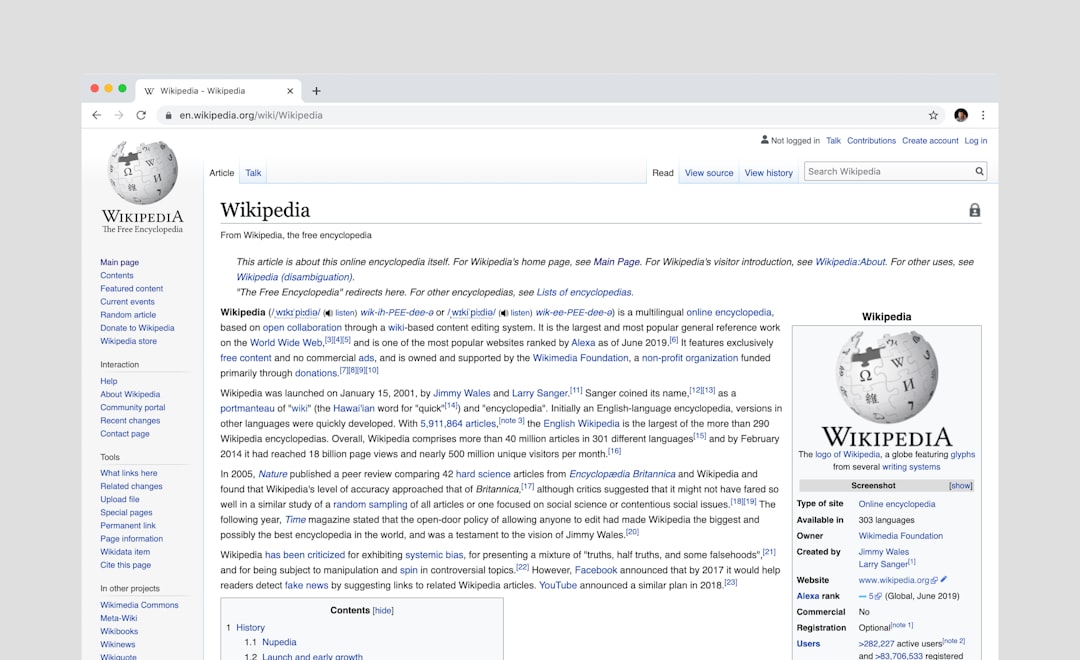
Top WordPress Development Company Choices by Need
No single agency fits every project. A media company, a SaaS firm, and a fashion store all need different skills. The better approach is to match the company type to the problem.
1. Enterprise WordPress Agencies
Enterprise agencies are best for publishers, universities, large nonprofits, financial brands, and global companies. These projects often involve many editors, strict permissions, heavy traffic, multilingual content, and integrations with internal systems.
Companies often shortlisted in this space include 10up, Human Made, rtCamp, XWP, and Multidots. They tend to bring strong engineering habits, accessibility awareness, and experience with high-volume WordPress sites.
Best for: large content sites, media platforms, high-traffic launches, complex migrations.
Watch out for: higher retainers and longer planning cycles. Honestly, it feels like some enterprise builds add three approval layers just to change a button label. That can protect quality, but it can also slow small requests.
2. WooCommerce Development Specialists
WooCommerce can run serious ecommerce operations, but only when built with care. Stores with thousands of SKUs, mixed shipping rules, subscriptions, bundles, or wholesale pricing need more than a pretty product page.
Specialist teams focus on checkout speed, payment reliability, inventory sync, product filtering, conversion tracking, and abandoned cart flows. Agencies with strong WooCommerce experience, such as Saucal, WebDevStudios, and similar ecommerce-focused firms, are often better than general web shops for complex stores.
Best for: growing online stores, subscription brands, B2B ecommerce, custom checkout flows.
Watch out for: plugin overload. A store with 45 active plugins may work today, then crawl during a holiday sale. Every extra plugin adds risk, load time, and maintenance work.
3. Custom WordPress Product Teams
Some businesses need WordPress to act less like a basic website and more like a platform. That may include member portals, learning systems, directories, booking tools, client dashboards, or gated content libraries.
A custom product team should have strong PHP, JavaScript, REST API, block editor, and database skills. They should also know when not to force WordPress into a job better handled by another system. That honesty matters.
Best for: SaaS marketing sites with app integrations, internal portals, custom publishing tools, and membership platforms.
Watch out for: vague discovery work. If the agency cannot explain the data model, user roles, and maintenance plan, the project may become expensive guesswork.

4. Speed and Core Web Vitals Agencies
Some companies already have a working WordPress site, but it is slow. Pages load late. Images jump. Scripts block the main thread. Editors complain that the admin area takes forever to save posts.
Performance-focused WordPress companies audit the full stack. They review hosting, theme code, plugins, image handling, fonts, caching, CDN settings, database queries, and third-party scripts. It drives teams crazy when a chat widget adds 900 milliseconds to load time and nobody noticed because the homepage “looked fine” on office WiFi.
Best for: sites with traffic loss, poor Core Web Vitals, ad revenue issues, or slow WooCommerce checkout.
Watch out for: quick-fix promises. Real speed work needs testing, measurement, and trade-offs.
5. WordPress Maintenance and Support Partners
Maintenance partners are ideal after launch. They handle updates, uptime checks, backups, small fixes, security patches, and content support. This is not glamorous work, but it prevents painful surprises.
A good maintenance company documents changes and tests updates before applying them to the live site. It should provide clear response times, monthly reports, and a process for urgent bugs.
Best for: businesses without an internal WordPress team, sites with regular content updates, and brands that cannot afford downtime.
Watch out for: support plans that only run plugin updates. That is not enough for a revenue-generating site.
How to Compare WordPress Development Companies
The best evaluation starts with proof. Case studies should show specific outcomes. A useful case study says traffic rose by 32%, checkout errors dropped by 21%, or publishing time fell from 20 minutes to 7 minutes. Vague praise is not enough.
Decision makers should review:
- Relevant portfolio: Similar industry, site size, or technical challenge.
- Code quality: Use of version control, staging, testing, and peer review.
- Performance targets: Clear goals for load time and Core Web Vitals.
- Editor experience: Clean blocks, reusable patterns, and simple content controls.
- Security process: Backups, monitoring, access control, and update planning.
- Communication: Direct project management and plain status updates.
- Post-launch care: Support terms, SLAs, and improvement roadmap.
Cost Expectations
Pricing varies by scope and region. A small business custom WordPress site may cost $8,000 to $25,000. A polished marketing site with custom blocks, integrations, and strong performance work may land between $25,000 and $75,000. Enterprise builds often start around $100,000 and can go much higher.
Maintenance plans can range from $500 to $10,000 per month, depending on response times, traffic, complexity, and active development needs.
The cheapest quote is rarely the safest one. A low-cost build can hide weak architecture, bloated plugins, poor accessibility, and no update plan. Fixing those issues later may cost more than building properly from the start.
Best Choice for Most Growing Businesses
For a growing business, the strongest fit is often a mid-sized WordPress development company with custom development skills, performance knowledge, and post-launch support. It should be small enough to move quickly and senior enough to avoid rookie mistakes.
Enterprise agencies make sense for high-traffic, high-risk projects. WooCommerce specialists make sense for stores where revenue depends on checkout quality. Maintenance partners make sense when the site already works but needs steady care.
The final choice should come down to proof, process, and fit. A good WordPress company asks hard questions early. It explains trade-offs. It refuses bad shortcuts. Most of all, it builds a site that editors can use, customers can trust, and traffic spikes will not break.
FAQ
What should a business look for in a WordPress development company?
It should look for proven WordPress experience, strong technical planning, performance knowledge, security practices, and clear support options after launch.
How much does professional WordPress development cost?
Small custom sites often cost $8,000 to $25,000. More advanced builds can reach $75,000 or more. Enterprise projects may exceed $100,000.
Is WordPress good for large websites?
Yes. WordPress can support large publishers, ecommerce stores, universities, and enterprise brands when it is built with clean code, strong hosting, caching, and careful content structure.
Should a company choose a theme or custom WordPress development?
A theme can work for a simple site with a tight budget. Custom development is better for unique branding, speed, complex features, scalability, and long-term control.
How long does a WordPress development project take?
A small site may take 4 to 8 weeks. A custom business site may take 8 to 16 weeks. Large builds, migrations, and ecommerce projects can take several months.
Why hire a WordPress maintenance company?
Maintenance protects the site from outdated plugins, security issues, downtime, broken features, and slow performance. It also gives the business a team to call when something breaks.


SaaS Affiliate Software: PartnerStack vs impact.com for Affiliate Program Management
Pick PartnerStack if your main goal is to launch a B2B SaaS partner program fast; pick impact.com if you need…