
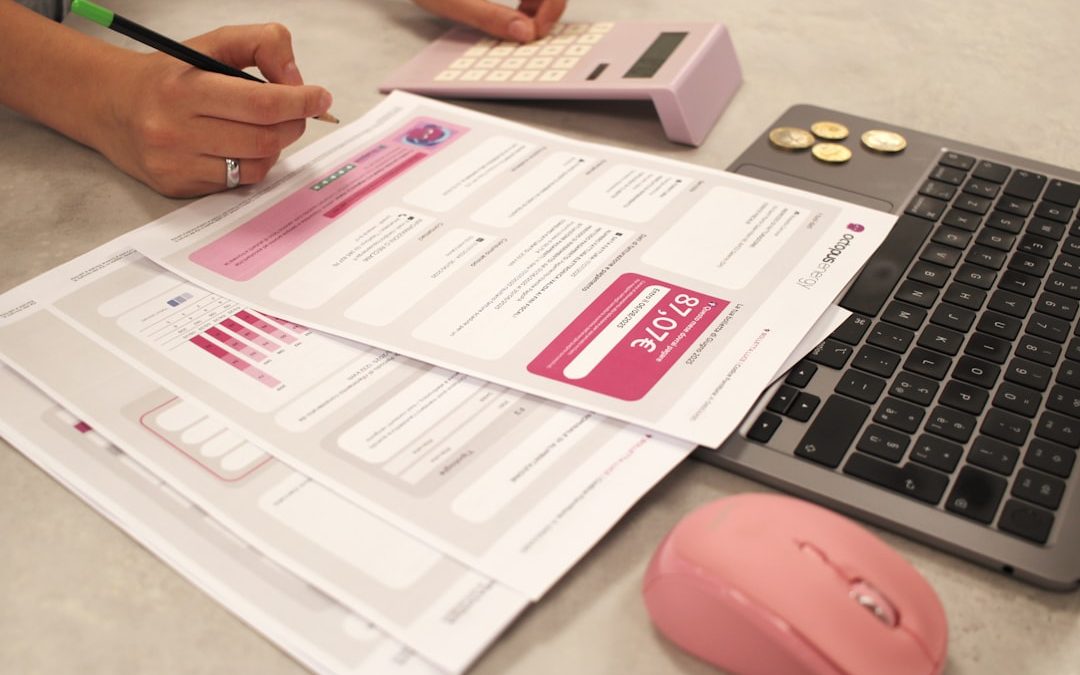

Global companies no longer pay only full-time employees in a single country. They pay remote teams, contractors, affiliates, marketplace sellers, logistics partners, creators, vendors, and suppliers across dozens of currencies and banking systems. The right corporate disbursement platform can reduce payment delays, lower FX costs, improve compliance, and give finance teams a clearer view of cash movement worldwide.
TLDR: The best corporate disbursement platforms combine global reach, multi-currency payments, compliance controls, automation, and transparent fees. For example, a company paying 1,000 contractors in 25 countries could cut manual payment work by 60% or more by using bulk payouts, local payment rails, and automated tax documentation. Platforms such as Tipalti, Payoneer, Wise Platform, Airwallex, PayPal Hyperwallet, and Stripe Connect are strong options depending on whether you pay employees, suppliers, creators, or marketplace partners.
Why Corporate Disbursement Platforms Matter
Disbursements are outgoing payments made by a business. These can include salaries, contractor fees, vendor invoices, supplier settlements, royalties, insurance claims, rebates, commissions, or marketplace payouts. When a company expands internationally, disbursements become more complicated because every country has different banking formats, tax rules, currencies, payment speeds, and regulatory requirements.
A strong disbursement platform helps companies move money accurately, securely, and at scale. Instead of manually uploading bank files, checking payment details one by one, and reconciling transactions across spreadsheets, finance teams can automate recurring payouts, approve payments in workflows, track transactions in real time, and reduce failed transfers.
What to Look for in a Global Disbursement Platform
Before choosing a provider, businesses should consider their payment volume, countries served, compliance needs, and integration requirements. A platform that works well for a creator marketplace may not be ideal for enterprise supplier payments, and a payroll-focused solution may not support complex vendor onboarding.
- Global coverage: Look for support across the countries where your employees, partners, and suppliers are located.
- Multi-currency capability: The platform should handle foreign exchange transparently and allow local currency payouts where possible.
- Payment methods: Bank transfers, local rails, cards, wallets, and instant payment options can improve recipient experience.
- Compliance tools: KYC, KYB, sanctions screening, tax form collection, and audit trails are essential for international operations.
- Automation: Bulk uploads, API payouts, invoice matching, approval workflows, and scheduled payments save time.
- ERP and accounting integrations: Compatibility with systems such as NetSuite, QuickBooks, Xero, SAP, or Oracle can simplify reconciliation.
- Fee transparency: Compare transfer fees, FX markups, subscription costs, and recipient charges.
1. Tipalti
Tipalti is one of the leading platforms for global accounts payable automation and mass payouts. It is especially popular with mid-market and enterprise companies that need structured supplier onboarding, tax compliance, invoice processing, and multi-entity payment workflows.
Tipalti supports payments to numerous countries and offers multiple payment methods, including local bank transfers, wire transfers, PayPal, prepaid debit cards, and other options depending on region. Its strongest advantage is the combination of payables automation plus global disbursement. Finance teams can collect tax forms, validate banking details, route approvals, screen payees, and reconcile payments from one system.
Best for: Enterprises, ad networks, software companies, online marketplaces, and companies with high supplier or partner payout volumes.
2. Payoneer
Payoneer is widely used for cross-border payouts to freelancers, sellers, service providers, and business partners. It has strong brand recognition among digital marketplaces and remote professionals, making it a practical choice when recipients already have Payoneer accounts.
The platform supports mass payouts, local receiving accounts in selected currencies, marketplace integrations, and card-based access to funds. Payoneer is particularly useful for companies paying contractors or partner businesses in regions where traditional international wires are slow or expensive.
Best for: Freelancer platforms, ecommerce marketplaces, affiliate networks, and companies paying independent professionals worldwide.
3. Wise Platform
Wise Platform is built on Wise’s international payments infrastructure and is known for transparent currency conversion and competitive FX rates. Businesses can use Wise APIs to send payouts, manage multi-currency accounts, and provide international payment services inside their own products.
One of Wise Platform’s biggest strengths is clarity. Its pricing model is typically easy to understand, and recipients benefit from local payment rails in many corridors. Companies with frequent cross-border payouts can reduce unnecessary FX costs by routing payments more efficiently.
Best for: Technology companies, platforms, SaaS businesses, travel companies, and organizations that prioritize transparent FX and API-based payouts.

4. Airwallex
Airwallex combines global business accounts, FX, cards, expense management, and international payment capabilities. It is particularly attractive for companies that want a broader financial operating system rather than only a payout tool.
Businesses can hold and convert multiple currencies, issue corporate cards, automate expenses, and send international transfers through local payment networks where available. Airwallex is often used by fast-growing companies with distributed teams, global suppliers, and cross-border revenue.
Best for: Startups, ecommerce brands, international SaaS companies, and businesses needing both collections and disbursements.
5. PayPal Hyperwallet
PayPal Hyperwallet is designed for large-scale payout programs. It supports payments to contractors, sellers, gig workers, claimants, and marketplace participants in many countries. Recipients may have the option to receive funds through bank deposit, PayPal, Venmo in supported markets, prepaid card, or other local methods.
Hyperwallet’s value lies in its payout flexibility and connection to the broader PayPal ecosystem. For companies that operate consumer-facing platforms or gig economy services, recognizable payout options can improve recipient trust and satisfaction.
Best for: Gig platforms, online marketplaces, insurance payouts, reward programs, and companies that need many recipient payment choices.
6. Stripe Connect
Stripe Connect is a powerful option for platforms and marketplaces that need to manage payments between buyers, sellers, service providers, and the platform itself. It supports onboarding, identity verification, payment splitting, platform fees, and payouts.
Stripe Connect is especially strong for digital platforms that already use Stripe for payment acceptance. A marketplace can collect customer payments, deduct commissions, and automatically pay sellers or service providers. However, it may be less suitable for traditional supplier invoice payments unless the company’s payout model is platform-based.
Best for: Marketplaces, SaaS platforms, creator platforms, ticketing businesses, and on-demand service apps.
7. Revolut Business
Revolut Business offers multi-currency accounts, international transfers, corporate cards, expense tools, and payment features for companies operating across borders. It is especially appealing to small and medium-sized businesses that want a simple way to manage international money movement.
Companies can hold multiple currencies, send transfers, manage team spending, and integrate with accounting software. While it may not offer the same advanced AP automation as enterprise-grade tools, it can be efficient for businesses that need practical global payment management without heavy implementation.
Best for: Small businesses, agencies, consultants, remote-first teams, and companies with moderate international payment needs.
8. Deel
Deel is more focused on global workforce payments than supplier disbursement, but it deserves a place on this list because many companies use it to pay employees and contractors worldwide. Deel supports contractor management, employer of record services, payroll, compliance documentation, and localized payment options.
For companies hiring internationally, Deel can reduce the complexity of onboarding workers in different jurisdictions. It helps manage contracts, tax forms, invoices, and payments while providing employees and contractors with local-friendly withdrawal methods.
Best for: Remote teams, global hiring, contractor payments, startups, and companies without local entities in every country.

Choosing the Right Platform by Use Case
The “best” disbursement platform depends on who you pay and how you operate. A company paying 200 software contractors has very different needs from a marketplace paying 50,000 sellers or a manufacturer paying regulated suppliers.
- For global supplier payments: Tipalti is often a strong fit because of invoice automation, tax compliance, and approval workflows.
- For marketplace payouts: Stripe Connect, PayPal Hyperwallet, and Payoneer are typically more suitable.
- For international contractors: Deel and Payoneer are practical choices, depending on compliance and onboarding needs.
- For transparent FX and API payouts: Wise Platform is a compelling option.
- For broader financial operations: Airwallex and Revolut Business can combine payments, currency accounts, and expense management.
Final Thoughts
Corporate disbursement is no longer just a back-office banking task. It affects supplier relationships, worker satisfaction, compliance risk, and cash flow visibility. Late or failed payments can damage trust, while automated global payouts can become a competitive advantage.
When comparing platforms, look beyond the headline transfer fee. Review total FX cost, coverage in your critical countries, compliance features, recipient experience, integration depth, and support quality. The strongest platform is the one that fits your payment model today while giving you enough flexibility to expand tomorrow.
For many companies, the smartest approach is to map payment types first: employees, contractors, partners, and suppliers. Then compare platforms against those real workflows. With the right disbursement system in place, global payments become faster, cleaner, and far easier to manage.


SOX Compliance Information Technology: SOX IT Controls vs GRC and Compliance Management Alternatives
Treat SOX IT controls as the rulebook and GRC software as the toolbox. SOX tells public companies to prove their…