


Space themed learning games occupy a useful middle ground between classroom activities and casual entertainment. Race Through Space is often discussed as a lightweight educational game because it combines fast movement, simple goals, and astronomy flavored questions or challenges. This review looks at its main features, where it works best, how it compares with other educational space games, and which alternatives may be better for different learning needs.
TLDR: Race Through Space is best suited for short, engaging learning sessions rather than deep science simulation. For example, a teacher could use it as a 15 minute warm up before a lesson on planets, with students earning points by answering space related prompts while racing. In a classroom of 25 students, it may work well for quick participation checks, but learners who need advanced physics, orbital mechanics, or open ended exploration will likely benefit from alternatives such as Kerbal Space Program or Universe Sandbox.
What Is Race Through Space?
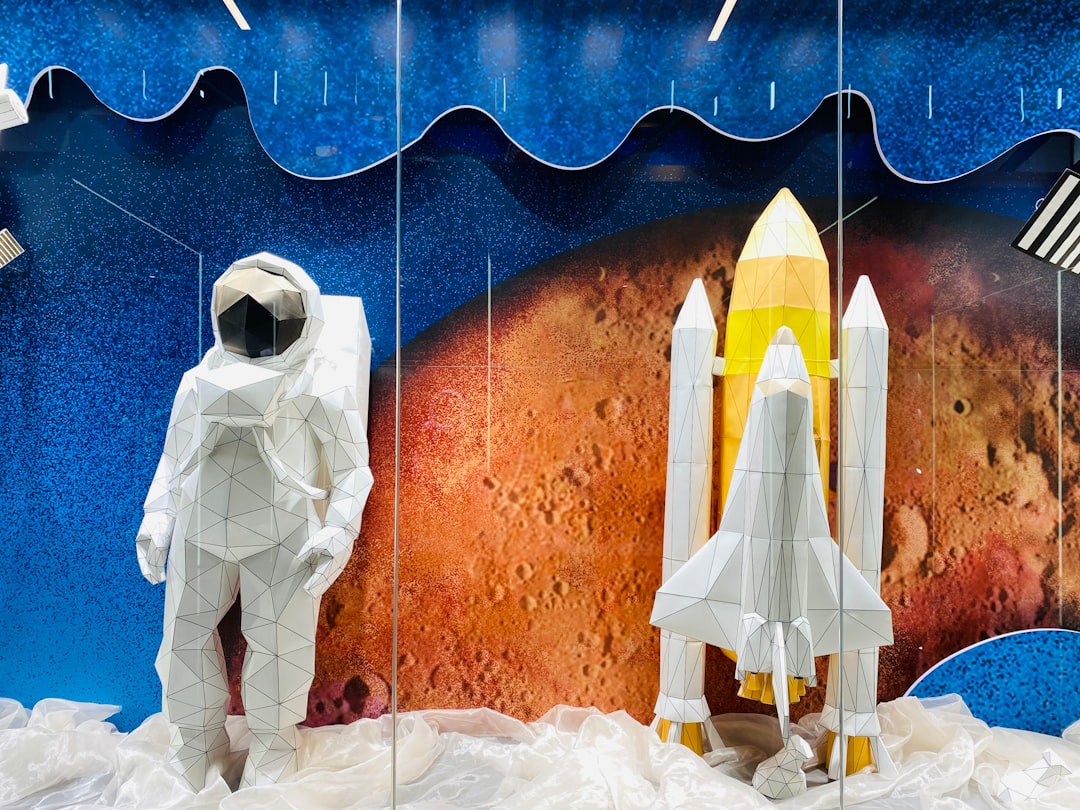
Race Through Space is a space racing style educational game that uses speed, obstacles, and space themed questions to make learning feel more active. Instead of presenting astronomy as a static quiz, it wraps facts about planets, stars, rockets, and exploration inside a game loop. The player usually moves through a cosmic environment, collects rewards, avoids hazards, and responds to prompts that test basic knowledge.
The game is most appealing to younger learners or casual players who prefer fast feedback. Its strength is not scientific depth; it is motivation. By turning review questions into a race, it can reduce the feeling of a traditional test and encourage repeated attempts.
Main Features
The strongest feature of Race Through Space is its accessible design. The game is usually easy to understand within minutes, which makes it suitable for classrooms, homeschool settings, or after school practice.
- Space themed gameplay: Racing through planets, stars, asteroids, and cosmic paths keeps the subject visually engaging.
- Quick learning rounds: Short sessions make it useful for warm ups, review activities, or reward based learning.
- Question based progress: Players may need to answer science or astronomy questions to continue, earn points, or improve performance.
- Simple controls: The game is generally approachable for younger students and does not require advanced gaming skills.
- Replay value: The racing format encourages students to retry levels and improve their score.
These features make the game effective for reinforcing vocabulary and basic facts. For example, students can review planet order, asteroid definitions, moon facts, or solar system structure while still feeling like they are playing rather than studying.
Educational Value
From an educational perspective, Race Through Space works best as a supplement, not a complete science curriculum. It can help learners remember facts through repetition and immediate feedback. This is especially useful for early space science topics, where memorization and recognition matter.
However, it may not fully explain complex concepts such as gravity, orbital velocity, atmosphere composition, or stellar life cycles. A student might learn that Mars is called the Red Planet, but may not understand the geological reasons behind its color. For this reason, teachers and parents should pair the game with discussion, videos, experiments, or reading.
Its pace can also be a limitation. Racing games often reward speed, which may cause some learners to guess quickly rather than think carefully. The best use case is guided play: an instructor can pause after each round and ask students to explain why an answer was correct.
Who Is It Best For?
Race Through Space is most suitable for elementary and early middle school learners. It is also helpful for students who respond well to gamified review, score systems, and visual rewards.
- Best for: beginners, casual learners, classroom review, short science activities, and space vocabulary practice.
- Less ideal for: advanced students, physics focused lessons, open ended exploration, or detailed astronomy simulations.
Parents may find it useful as a screen time compromise because it offers entertainment with educational value. Teachers may find it useful for stations, group rotations, or end of lesson reinforcement.
Race Through Space Compared With Alternatives
There are several educational space games and apps that serve different purposes. The right choice depends on whether the goal is fun review, realistic simulation, creativity, or scientific exploration.
| Game or Tool | Best For | Educational Strength | Limitation |
|---|---|---|---|
| Race Through Space | Quick review and younger learners | Fast, engaging, easy to start | Limited depth and simulation |
| Kerbal Space Program | Older students and physics learners | Orbital mechanics, engineering, experimentation | Steeper learning curve |
| Universe Sandbox | Astronomy exploration | Gravity, scale, collisions, planetary systems | Less structured as a game |
| Spaceflight Simulator | Rocket building and launches | Basic engineering and launch planning | Less focused on quizzes or facts |
| NASA Space Place | Science reading and activities | Reliable explanations and kid friendly resources | Not always game driven |
Best Educational Game Alternatives
Kerbal Space Program is the strongest alternative for serious learning. It allows students to build rockets, test designs, and understand why spacecraft need careful planning. It is better for middle school, high school, and even college level enrichment.
Universe Sandbox is ideal for learners who enjoy asking “what if” questions. A student can change a planet’s mass, collide moons, or observe how gravity affects motion. It teaches through experimentation rather than racing.
Spaceflight Simulator is a simpler rocket building alternative. It is less intimidating than Kerbal Space Program but still allows players to experiment with stages, fuel, thrust, and trajectories.
NASA Space Place is not always a traditional game, but it is one of the best sources for accurate, child friendly space education. It works especially well when paired with a game like Race Through Space, because it can explain the concepts behind the facts.

Pros and Cons
- Pros: Easy to understand, motivating, visually engaging, useful for short lessons, and friendly for beginners.
- Cons: May lack advanced science depth, can encourage guessing, and may not satisfy learners who want realistic space simulation.
Final Verdict
Race Through Space is a good educational game for introducing or reviewing basic space concepts in an energetic way. It is not the best option for deep scientific modeling, but it succeeds as a fun entry point into astronomy. Its greatest value appears when it is used alongside discussion, worksheets, videos, or hands on activities.
For younger learners, it can make space science feel exciting and approachable. For older or more advanced students, alternatives such as Kerbal Space Program, Universe Sandbox, or Spaceflight Simulator will usually provide richer learning opportunities.
FAQ
- Is Race Through Space an educational game?
Yes. It is generally considered educational because it uses space themed challenges and review style gameplay to support learning. - What age group is Race Through Space best for?
It is best for elementary and early middle school learners, especially those who enjoy fast paced games and visual rewards. - Can Race Through Space teach real astronomy?
It can help with basic facts and vocabulary, but it should be paired with deeper resources for full astronomy understanding. - What is the best alternative for advanced students?
Kerbal Space Program is one of the best choices for advanced learners because it teaches rocket design, gravity, and orbital mechanics. - Is Race Through Space good for classrooms?
Yes, especially as a short review activity, station rotation task, or warm up before a space science lesson.


SOX Compliance Information Technology: SOX IT Controls vs GRC and Compliance Management Alternatives
Treat SOX IT controls as the rulebook and GRC software as the toolbox. SOX tells public companies to prove their…