

The best TikTok analytics tools in 2026 are the ones that connect reach, engagement, audience quality, and creator growth in one clear view. For most teams, the strongest stack is TikTok Studio for native post data, Exolyt or Analisa.io for creator and competitor tracking, and Sprout Social, Metricool, or Socialinsider for reporting across channels.
TLDR: If you only need basic performance checks, start with TikTok Studio because it is free and accurate for your own account. If you manage creators or campaigns, use Exolyt, HypeAuditor, or Socialinsider to compare growth, audience quality, and engagement trends. For example, a skincare brand tracking 12 creators might find that one creator has a smaller reach of 180,000 views per month but a 9.4% engagement rate, while another hits 620,000 views with only 1.8% engagement. That difference can save thousands in wasted creator spend.
What TikTok analytics tools should track in 2026
TikTok has become harder to measure with simple vanity metrics. Views still matter, but they do not tell the whole story. A video can get 500,000 views and still fail if viewers skip after two seconds or never click through.
The best tools now track four big areas:
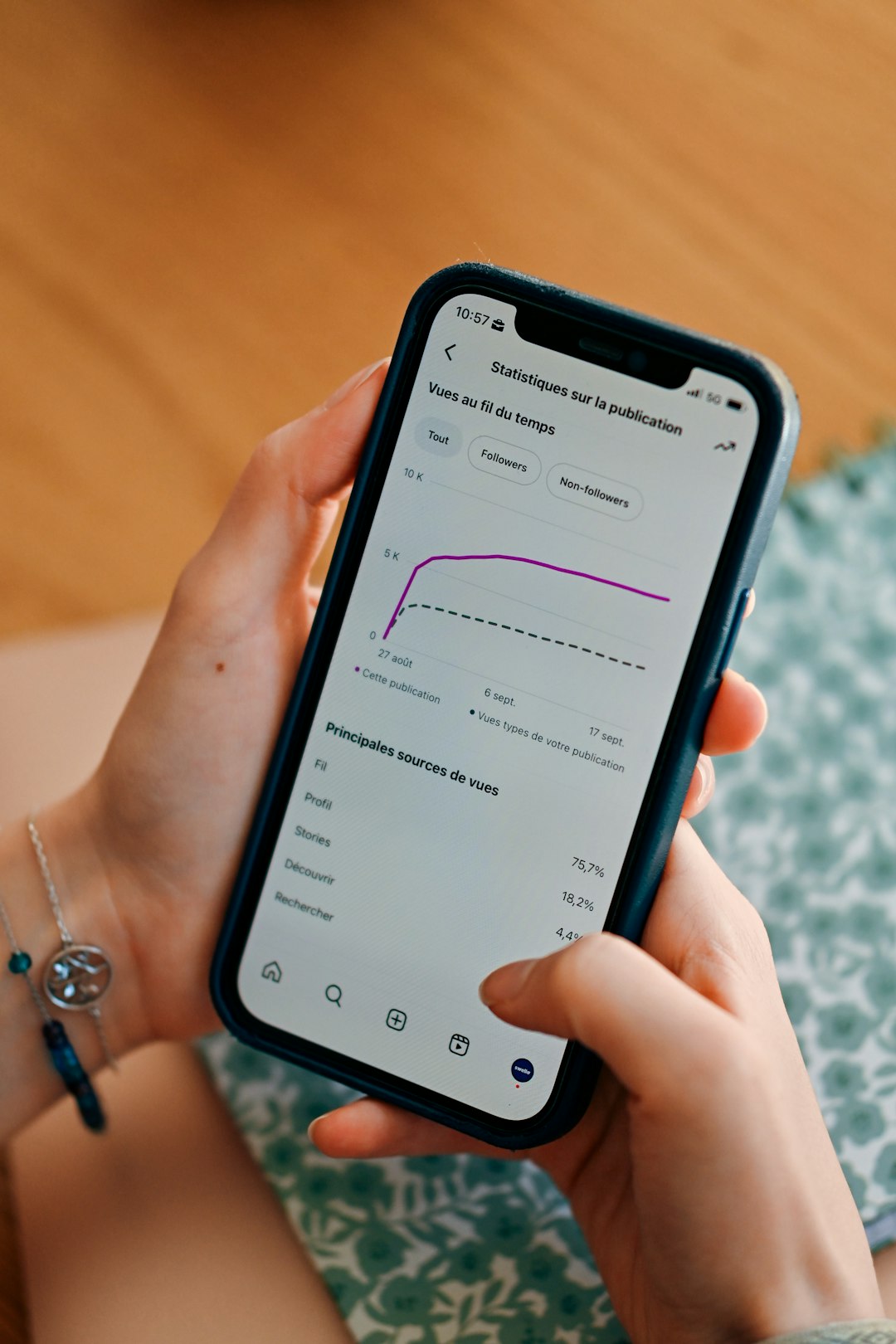
- Reach: views, unique viewers, impressions, watch time, traffic sources, and follower versus non-follower exposure.
- Engagement: likes, comments, shares, saves, completion rate, replay rate, and engagement rate by view or follower count.
- Creator growth: follower gain, posting frequency, audience quality, content themes, and performance by format.
- Business impact: clicks, conversions, shop activity, campaign ROI, promo code use, and creator cost per result.
Honestly, it feels like too many tools still treat “likes” as the main win. That is lazy reporting. In 2026, saves, shares, comment quality, and watch retention usually say far more about whether content is working.
1. TikTok Studio: best free option for native analytics
TikTok Studio is the best place to start because it shows first-party data directly from TikTok. You can track video views, net follower growth, profile views, traffic sources, audience gender, age groups, and top territories.
Its biggest strength is accuracy. If you want to know how your own posts performed, this is the cleanest source. You can also inspect retention curves and see where people drop off. That helps creators fix weak hooks, slow intros, or confusing captions.
Best for: solo creators, small businesses, and teams that need reliable first-party TikTok data.
Weak spot: reporting is still limited. Expect to waste time if you need client-ready exports or side-by-side competitor comparisons. It can take several extra clicks to answer a simple question like, “Which content pillar gained the most followers last month?”
2. Exolyt: best for creator tracking and competitor research
Exolyt is one of the most useful tools for studying public TikTok accounts. It helps brands compare creators, monitor competitors, spot content patterns, and track growth over time.
Its creator analytics are especially helpful. You can review posting frequency, engagement rate, follower changes, top videos, hashtag patterns, and account momentum. This makes it easier to find creators who are rising fast, not just creators who already have large audiences.
Best for: influencer teams, agencies, and brands scouting TikTok creators.
Feature to watch: trend and hashtag tracking. If a sound, format, or phrase is gaining traction in your niche, Exolyt can help you catch it before it peaks.
3. Analisa.io: best for quick profile and hashtag audits
Analisa.io is strong for fast audits. You can inspect TikTok profiles, hashtags, posting habits, engagement patterns, and top-performing content. It is useful when you need a quick read before a creator partnership or campaign brief.
The tool is also handy for hashtag analysis. You can see which tags appear often in high-performing posts and how they relate to engagement. This is not magic. Bad content will not win because of a tag. Still, it helps refine content packaging.
Best for: marketers who need quick creator checks, hashtag reports, and profile snapshots.
Weak spot: deeper campaign workflows may feel light. If you need rich collaboration tools or multi-client approvals, pair it with a broader social media platform.
4. HypeAuditor: best for audience quality and influencer fraud checks
HypeAuditor is built for influencer marketing. Its main value is audience quality. It helps detect suspicious follower growth, low-quality audiences, unusual engagement, and possible fake activity.
This matters because TikTok creator pricing can be messy. A creator with 800,000 followers may look impressive, but if only a small slice of the audience is real, local, and interested, the campaign will suffer.
Use HypeAuditor to check:
- Audience authenticity and suspicious spikes.
- Audience location compared with your target market.
- Engagement quality, not just engagement volume.
- Creator safety and past content themes.
Best for: brands spending serious money on creator partnerships.

5. Sprout Social: best for teams that need polished social reporting
Sprout Social is a strong choice for teams that manage TikTok alongside Instagram, LinkedIn, Facebook, X, and YouTube. Its reporting features are clean and easy to share with executives or clients.
For TikTok, it helps track post performance, audience growth, engagement, publishing activity, and cross-channel comparisons. This is useful when your boss asks whether TikTok is beating Reels or Shorts. You can answer without building a messy spreadsheet at 7 p.m.
Best for: agencies, mid-sized brands, and social teams that need scheduled reports.
Weak spot: cost. Sprout is powerful, but smaller creators may find it too expensive if TikTok is their only channel.
6. Metricool: best value for creators and small teams
Metricool is popular because it balances price, scheduling, and analytics well. It tracks TikTok performance, audience growth, content results, and publishing calendars. It also works across several social networks, which keeps reporting tidy.
One nice feature is the ability to compare post performance by time and format. If your best videos go live between 6 p.m. and 9 p.m., or if tutorials beat trend clips by 35%, that data can shape your content plan fast.
Best for: creators, freelancers, and small businesses that want analytics plus scheduling.
7. Socialinsider: best for benchmarking and agency reports
Socialinsider shines when you need competitive benchmarks. You can track TikTok pages, compare brands, measure engagement rates, and study content types across accounts.
Its reports are clean, which helps agencies explain performance without drowning clients in charts. It is especially useful for monthly reviews, pitch decks, and market comparisons.
Best for: agencies, consultants, and brands that compare many accounts.
8. Later: best for creator planning with simple analytics
Later is not the deepest analytics tool, but it is easy to use. It works well for teams that want content planning, scheduling, link tracking, and basic TikTok analytics in one place.
If your workflow is visual and content-heavy, Later can reduce friction. You can plan posts, review what went live, and check which videos gained traction.
Best for: lifestyle brands, creators, and small marketing teams that care about planning as much as reporting.
Key features to compare before choosing
Do not pick a TikTok analytics tool because the dashboard looks pretty. Pick it based on the questions you ask every week.
- For reach: Can it separate follower views from non-follower views?
- For engagement: Does it track saves, shares, comments, and completion rate?
- For growth: Can it show follower gain by post, topic, or campaign?
- For creators: Does it flag fake followers or weak audience fit?
- For reporting: Can you export clean PDFs or dashboards?
- For speed: Can you answer common questions in under two minutes?
Best tool by use case
- Best free tool: TikTok Studio.
- Best for influencer discovery: Exolyt.
- Best for quick audits: Analisa.io.
- Best for fraud checks: HypeAuditor.
- Best for agency reporting: Sprout Social or Socialinsider.
- Best affordable all-rounder: Metricool.
- Best for content planning: Later.
How to build a smarter TikTok analytics workflow
Start with a weekly review. Track your top five videos by views, engagement rate, average watch time, shares, and follower growth. Then label each video by format, hook, topic, length, and call to action.
After one month, patterns start to show. Maybe 18-second tutorials outperform 45-second story videos. Maybe creator posts drive 3 times more shares than brand posts. Maybe videos with a product demo in the first two seconds lift completion rate by 22%.
The tool matters, but the habit matters more. TikTok rewards clear signals. Your analytics setup should tell you what to repeat, what to cut, and which creators deserve another contract.
Final pick: use TikTok Studio as your data base, add Metricool or Sprout Social for reporting, and bring in Exolyt or HypeAuditor when creator spend gets serious. That mix gives you reach, engagement, and growth tracking without turning every report into a spreadsheet nightmare.
Best TikTok Analytics Tools in 2026: Features for Tracking Reach, Engagement, and Creator Growth

Best TikTok Analytics Tools in 2026: Features for Tracking Reach, Engagement, and Creator Growth
The best TikTok analytics tools in 2026 are the ones that connect reach, engagement, audience quality, and creator growth in…