


“DM me” means “send me a direct message,” usually through a private inbox on a social media app. When someone writes “DM me,” they are asking you to contact them away from public comments, posts, or group threads. It is common on Instagram, X, Facebook, TikTok, LinkedIn, Discord, Reddit, and many other platforms.
TLDR: “DM me” means “message me privately.” For example, if a photographer posts “DM me for booking,” you should send a private message instead of asking for prices in the comments. A small business that receives 40 public comments per week may move 60% of pricing, scheduling, or support questions into DMs to keep details private. Use DMs for short, respectful, and relevant conversations.
What Is a DM?
A DM, or direct message, is a private message sent through a social media platform. Unlike a public comment, a DM is generally visible only to the sender and the recipient. Some platforms also allow small private group chats.
People use DMs for many reasons. They may want to share personal details, discuss a purchase, ask a sensitive question, or continue a conversation without filling a public thread. In business settings, DMs are often used for customer support, lead generation, booking, and order updates.
The phrase “DM me” is casual, but the action can still be professional. A recruiter might say it. A brand might say it. A creator might use it to manage requests. The meaning stays the same: contact me privately through this app.
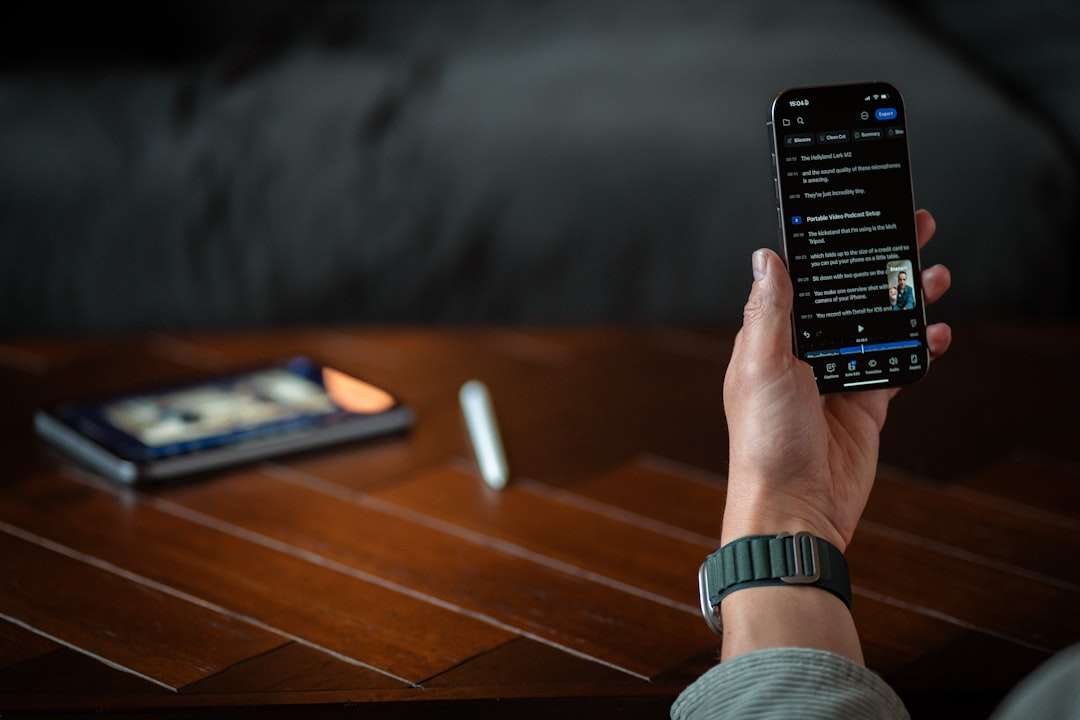
Common Places You Will See “DM Me”
You may see “DM me” in captions, comments, stories, bios, listings, and group posts. The context usually explains why the person wants a private message.
- Instagram: “DM me for pricing,” “DM to order,” or “DM for collab details.”
- Facebook: “DM me if interested,” often used in groups or Marketplace-style posts.
- X: “DM me your email,” usually for quick follow-up or private contact details.
- TikTok: “DM me the word ‘guide’,” often used by creators and coaches.
- LinkedIn: “DM me to apply,” “DM me for a referral,” or “DM me your portfolio.”
- Discord and Reddit: “DM me if you want the link,” often used for community discussions.
Honestly, it feels like some platforms hide message requests one layer too deep. You may send a DM and wait days because it landed in a filtered inbox. If the topic is time-sensitive, a short public comment like “Sent you a DM” can help, but do not pressure the person.
Why People Say “DM Me” Instead of Answering Publicly
There are practical reasons. A public comment is open to everyone. A DM gives more control over what gets shared.
- Privacy: Names, phone numbers, addresses, order numbers, medical details, and payment issues should not be posted publicly.
- Clarity: A private thread keeps the conversation in one place.
- Sales: Sellers may need size, color, location, budget, or shipping details before giving a final answer.
- Moderation: Public comment sections can get messy fast. Messages reduce noise.
- Professional follow-up: Recruiters, freelancers, and service providers often need resumes, calendars, or project briefs.
This does not mean every “DM me” is useful. Some accounts use the phrase to avoid giving clear prices or terms in public. That can waste time. If something seems vague, ask for basic details before sharing personal information.
How to Send a DM
The exact steps depend on the app, but the process is usually simple.
- Go to the person’s profile.
- Tap Message, Send message, or an inbox icon.
- Write a short message with the reason you are contacting them.
- Include any details they asked for.
- Wait for a reply. Avoid sending repeated messages unless there is a clear reason.
A good DM saves time. It should explain who you are, what you need, and what action you expect. A weak DM says only “hi” or “details?” That forces the other person to ask basic questions. Expect to waste time on that kind of back-and-forth.
Good example: “Hi, I saw your post about senior portrait sessions. I’m looking for a Saturday booking in May for one person. Could you send pricing and available times?”
Poor example: “Info?”
DM Etiquette: What to Do and What to Avoid
Direct messages feel casual, but basic manners still matter. The person on the other side may be working, handling dozens of requests, or protecting their personal space.
Good DM habits
- Be clear: State your reason in the first message.
- Be brief: Long blocks of text are hard to read on a phone.
- Be respectful: Do not demand an instant response.
- Use names when possible: It feels more human and less spammy.
- Check the profile first: The answer may already be in a bio, pinned post, FAQ, or link.
Bad DM habits
- Sending “hey” and nothing else.
- Copying the same sales pitch to many people.
- Sending personal, romantic, or explicit messages without consent.
- Asking for free work from professionals.
- Sending links, files, or payment requests with no context.
For business use, tone matters even more. A customer asking about an order does not want jokes, vague answers, or five-hour silence during posted business hours. A simple reply such as “Thanks for messaging us. Please send your order number, and we’ll check it.” is clear and calm.
Is a DM Really Private?
A DM is private compared with a public comment, but it is not risk-free. The recipient can take screenshots. Accounts can be hacked. Platforms may review messages for safety, spam, or legal reasons. Treat DMs as limited-private, not secret.
Never send passwords, full card numbers, verification codes, or sensitive identification details through a social media DM. Real companies should not ask for your password. Banks, payment apps, and government offices usually direct you to secure forms or official support channels.
If an account asks you to “DM me” and then pressures you to pay fast, click a strange link, or move to another app, pause. Scammers often create urgency. They may claim a prize is waiting, a job is guaranteed, or a product will sell out in minutes. Slow down and verify the account.
“DM Me” vs. “PM Me”
DM and PM are often used the same way. DM means direct message. PM means private message. Older forums and Facebook users often say PM. Instagram, X, and TikTok users usually say DM.
There is no major difference in everyday use. If someone says “PM me,” they still mean “send me a private message.” The wording depends on the platform, age group, and habit.
When You Should Use DMs
Use DMs when the topic needs privacy, detail, or direct follow-up. They are useful for booking services, asking about an order, sharing contact information, arranging interviews, discussing collaborations, or reporting a sensitive issue.
Do not use DMs to harass people, bypass boundaries, or push unwanted offers. If someone does not reply, that is not an invitation to send ten more messages. Silence may mean they are busy, uninterested, or unable to receive your message due to settings.
What to Write When Someone Says “DM Me”
Keep it simple and specific. Try this structure:
- Greeting: “Hi” or “Hello.”
- Context: Mention the post, product, job, or topic.
- Request: Ask the exact question.
- Details: Add dates, order numbers, location, or budget if relevant.
- Close: “Thank you” or “I appreciate your help.”
Example: “Hi, I saw your post about custom cakes. I need a cake for 20 people on June 14 in Austin. Could you send pricing and pickup options? Thank you.”
Final Takeaway
“DM me” is a simple request to continue the conversation in a private inbox. It is common, useful, and often the right choice for personal details or business follow-up. Still, use common sense. Be clear, protect sensitive information, and remember that private messages can still be saved or shared.


WordPress User Roles: Administrator vs Editor for Managing WordPress Permissions
Most WordPress sites should give Administrator access only to the person responsible for site settings, plugins, users, security, and technical…