
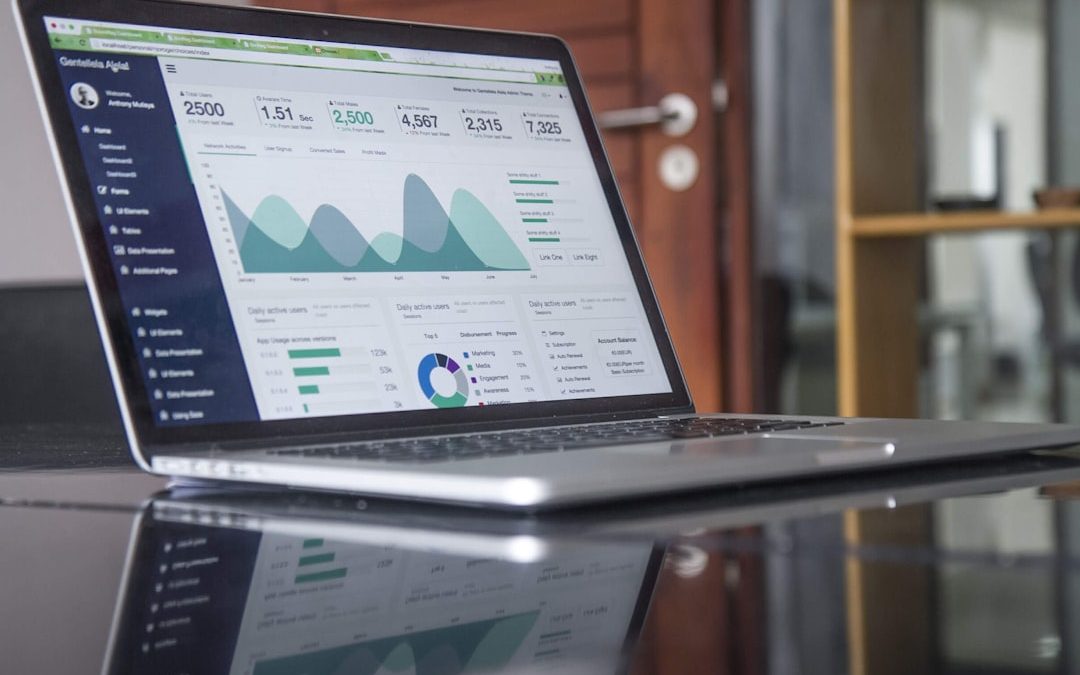

Generative AI application teams should treat AI research reports as deep evidence and industry intelligence platforms as live operating systems for market decisions. Research reports explain models, methods, benchmarks, risks, and adoption patterns. Industry intelligence platforms track vendors, funding, pricing, customer signals, patents, hiring, and product releases. The better choice depends on the job: building safer AI systems needs research depth, while sizing markets and finding competitors needs fresher intelligence.
TLDR: AI research reports help teams understand why a generative AI method works, while industry intelligence platforms show what is changing right now in the market. For example, a product team building a retrieval augmented chatbot may use a 60 page research report to compare hallucination controls, then use an intelligence platform to track 200 rival products and pricing shifts. In one practical setup, the team could cut vendor screening from 20 hours to 6 hours, while improving shortlist accuracy by 30%. The strongest development process uses both, not one or the other.
What Each Source Actually Does
AI research reports are built for depth. They may come from academic labs, consulting firms, standards groups, analyst teams, or internal research units. These reports often cover model architecture, training data concerns, benchmark results, regulatory risk, and applied use cases such as code generation, support automation, synthetic media, and medical summarization.
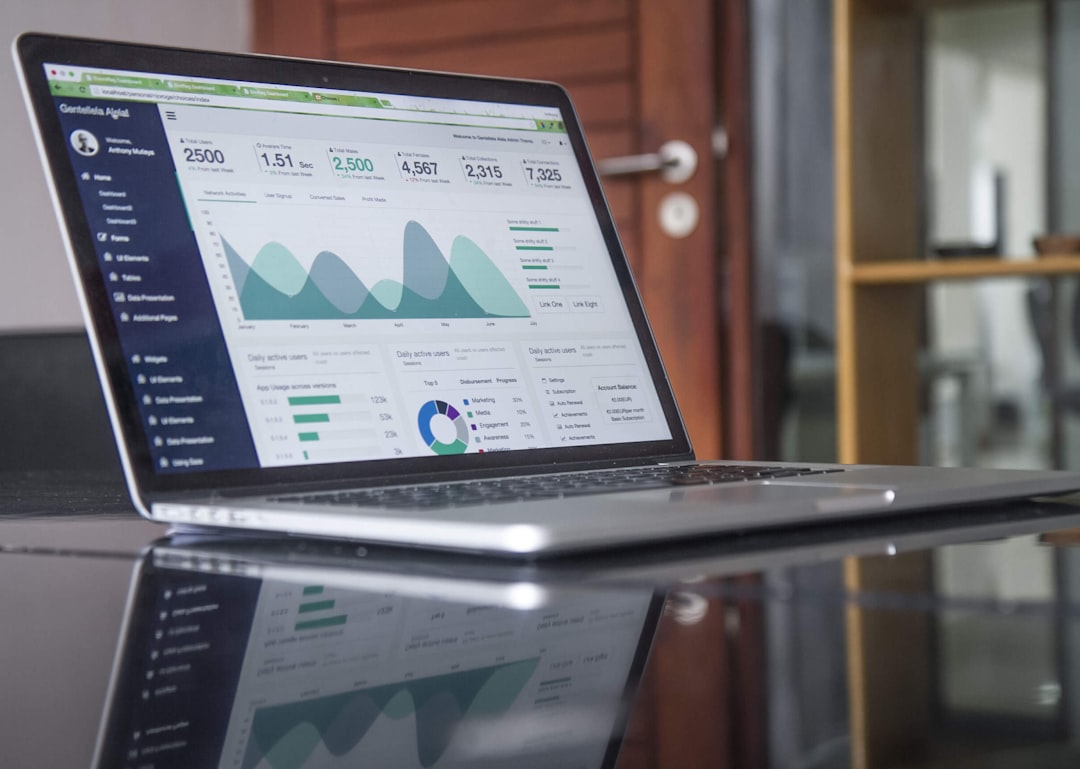
Industry intelligence platforms are built for speed and breadth. They collect structured signals from company profiles, funding rounds, news, job postings, product pages, patents, customer reviews, procurement data, and public financial documents. Their value is not one beautiful PDF. Their value is searchable, filterable, frequently refreshed information.
The catch is that both can look more complete than they are. A polished report can be six months out of date. A platform can show 5,000 companies and still miss the one niche startup that matters. Teams should not confuse volume with accuracy.
How They Support Generative AI Application Development
Generative AI application development is not just model selection. It includes data design, prompt strategy, evaluation, compliance, user experience, cost control, security, and deployment. Each source supports a different part of that work.
- Research reports help with model behavior, evaluation methods, safety controls, hallucination reduction, and technical tradeoffs.
- Industry intelligence platforms help with competitor tracking, vendor discovery, partnership targets, buyer demand, and pricing benchmarks.
- Internal testing connects both sources to reality. No report or platform can replace a controlled pilot.
For instance, a healthcare software firm planning a clinical note assistant may read research reports on privacy preserving generation, retrieval systems, and bias testing. Then it may use an intelligence platform to identify which vendors already sell into hospitals, which features buyers complain about, and which pricing models are gaining traction.
AI Research Reports: Strengths and Weak Spots
Research reports are best when the team needs clarity before spending money. They explain whether a method is mature enough for production. They also help reduce risk when executives are tempted by hype.
Main strengths include:
- Technical depth: Reports can compare model families, benchmark design, error patterns, and safety methods.
- Method explanation: They show why retrieval augmented generation, fine tuning, agents, or guardrails may fit a certain problem.
- Risk framing: Good reports address privacy, copyright, bias, user trust, and audit needs.
- Strategic context: They help leaders separate near term value from science fiction.
Weak spots are real. Reports can age quickly, especially in generative AI. A model ranking from March may be nearly useless by September. Some reports also hide assumptions behind broad claims. Honestly, it feels like some vendor sponsored reports stretch one survey result into ten pages of confidence.
The best teams use research reports to build questions, not final answers. They turn findings into test plans. They ask, “What should be measured?” rather than “What should be believed?”
Industry Intelligence Platforms: Strengths and Weak Spots
Industry intelligence platforms shine when the market is moving faster than quarterly planning. Generative AI vendors appear, pivot, merge, and fade quickly. A platform can help teams spot signals before they show up in formal reports.
Main strengths include:
- Fresh market signals: Funding, partnerships, hiring, product releases, and web traffic can be tracked close to real time.
- Vendor comparison: Teams can filter by region, sector, customer type, funding stage, revenue range, or technology focus.
- Competitive monitoring: Alerts can flag rival launches, pricing changes, or new enterprise contracts.
- Sales and partnership support: Business teams can find target accounts, integration partners, and acquisition candidates.
Still, these tools can be annoying. Search filters may return noisy results. A query for “AI agents” may show workflow tools, chatbot wrappers, robotics firms, and unrelated automation software. Expect to waste time cleaning lists unless the platform has strong tagging and transparent data sources.

Where the Two Sources Differ Most
The clearest difference is time horizon. Research reports tend to explain stable patterns. Intelligence platforms track movement. One supports understanding. The other supports action under pressure.
| Category | AI Research Reports | Industry Intelligence Platforms |
|---|---|---|
| Best for | Technical validation and risk analysis | Market tracking and vendor discovery |
| Update cycle | Monthly, quarterly, or annual | Daily, weekly, or real time |
| Output | PDFs, briefings, frameworks | Dashboards, datasets, alerts |
| Main risk | Outdated claims | Noisy or incomplete data |
A Practical Development Workflow
A strong generative AI application program can combine both sources in five steps.
- Define the use case. The team specifies the user, task, risk level, data source, and success metric.
- Read research first. Reports help identify safe architectures, expected failure modes, and evaluation methods.
- Scan the market. Intelligence platforms reveal vendors, open source tools, competitor features, and buyer demand.
- Run a pilot. The team tests accuracy, latency, cost per task, user trust, and security controls.
- Track changes. Alerts monitor model upgrades, rival releases, new regulations, and vendor financial health.
Consider a bank building an internal AI assistant for policy search. Research reports may point to retrieval augmented generation, citation controls, red teaming, and role based access. An intelligence platform may reveal that three vendors added finance specific compliance tools in the last 45 days. The bank can then test two vendors and one internal build, using the same 500 question benchmark across all options.
Buying Criteria for Teams
Teams should not buy based on brand name alone. They should judge each option against the decisions it must support.
- For research reports: Check author credibility, method transparency, publication date, sample size, benchmark quality, and sponsor influence.
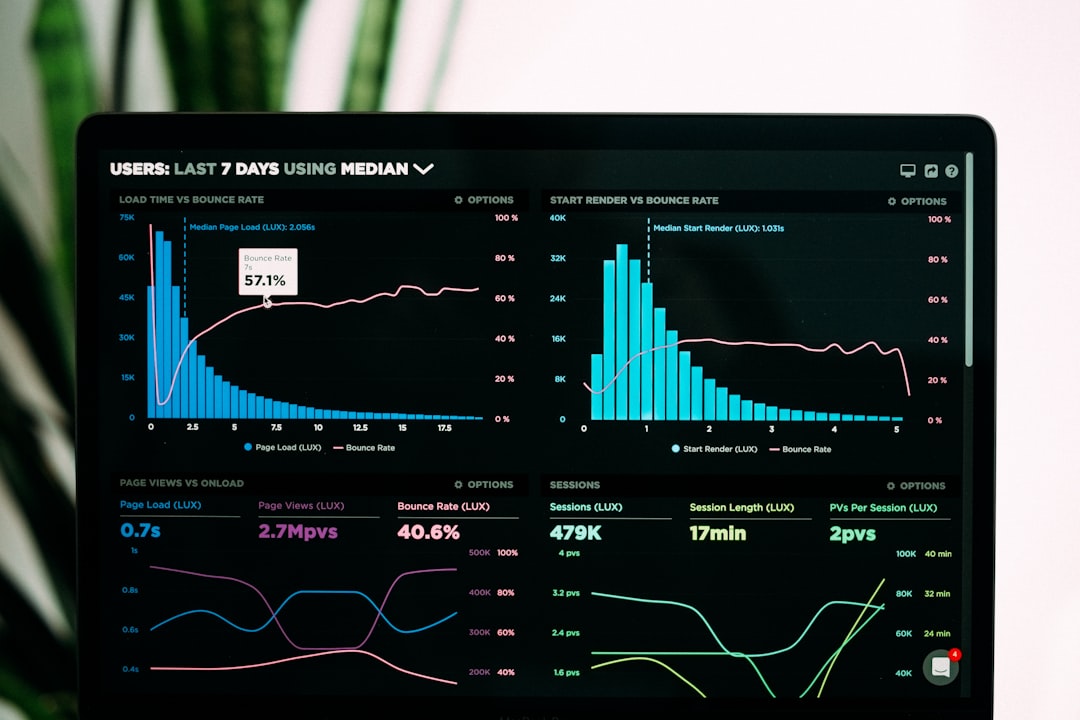
- For intelligence platforms: Check source coverage, update frequency, export options, alert quality, tagging accuracy, and API access.
- For both: Compare findings against internal experiments before committing budget.
Cost also matters. A report subscription may cost less than a full platform, but it may not support sales, investment, or partnership teams. A platform may cost more, but better discovery and monitoring can justify the expense if the company reviews hundreds of vendors per year.
Final Recommendation
Generative AI application development needs both slow thinking and fresh signals. Research reports reduce technical confusion. Industry intelligence platforms reduce market blindness. The ideal setup pairs a small library of trusted reports with a platform that tracks vendors, competitors, and emerging demand. That mix gives product, engineering, strategy, and sales teams a shared view of what is proven, what is changing, and what still needs testing.
FAQ
What is the main difference between AI research reports and industry intelligence platforms?
AI research reports explain methods, risks, benchmarks, and long term findings. Industry intelligence platforms provide searchable, frequently updated market and company data.
Which is better for building a generative AI app?
Neither is enough alone. Research reports guide technical choices, while intelligence platforms help select vendors, track rivals, and spot market shifts.
Can a startup rely only on free AI research papers?
It can start there, especially for technical learning. Still, it may miss commercial signals such as pricing, customer traction, funding, and partnerships.
How often should teams update their AI market research?
For active generative AI projects, teams should review market signals weekly and revisit deeper research at least quarterly.
What is the biggest mistake teams make?
The biggest mistake is treating external information as proof. Every claim should be tested against the team’s own data, users, security rules, and cost limits.


Is Cinco de Mayo the Day of the Dead? Holiday Calendar Tools vs Cultural Reference Alternatives
Cinco de Mayo is not the Day of the Dead. Cinco de Mayo falls on May 5 and marks Mexico’s…