


Cinco de Mayo is not the Day of the Dead. Cinco de Mayo falls on May 5 and marks Mexico’s victory over France at the Battle of Puebla in 1862. The Day of the Dead, or Día de los Muertos, is observed mainly on November 1 and November 2 and honors deceased loved ones. Confusing them is common, but it flattens two very different traditions into one vague “Mexican holiday” label.
TLDR: Cinco de Mayo and Day of the Dead are separate holidays with different dates, meanings, symbols, and cultural roots. A holiday calendar app may show both dates, but it often gives little context, which can lead teams to publish the wrong message. For example, a marketing team that schedules “Day of the Dead sale” graphics for May 5 could miss the mark by nearly 180 days. In one practical case, a content manager checking three cultural sources before posting could cut avoidable holiday errors by 70% or more.
Holiday calendar tools are useful for reminders. They answer basic questions fast: What date is it? Is it a public holiday? Does the office close? That is not the same as cultural understanding. The catch is that many tools treat holidays like database entries. They list a name, a date, and maybe a country. Then everyone is left guessing what the day means.
Image not found in postmetaWhat Cinco de Mayo Actually Marks
Cinco de Mayo commemorates the Battle of Puebla, where a smaller Mexican force defeated French troops on May 5, 1862. It is not Mexico’s Independence Day. That holiday is celebrated on September 16.
In Mexico, Cinco de Mayo is most strongly tied to Puebla. It may include military parades, historical reenactments, civic events, and local celebrations. In the United States, the holiday has become broader. Many Mexican American communities use it to celebrate heritage, identity, food, music, and resilience. Commercial promotion has also shaped the holiday, sometimes in clumsy ways.
That commercial layer is where mistakes start. Restaurants, retailers, and social media teams may rely on calendar prompts and stock graphics. It drives cultural reviewers crazy when sombreros, skull makeup, Independence Day slogans, and tequila jokes get mashed into one careless post.
What the Day of the Dead Actually Means
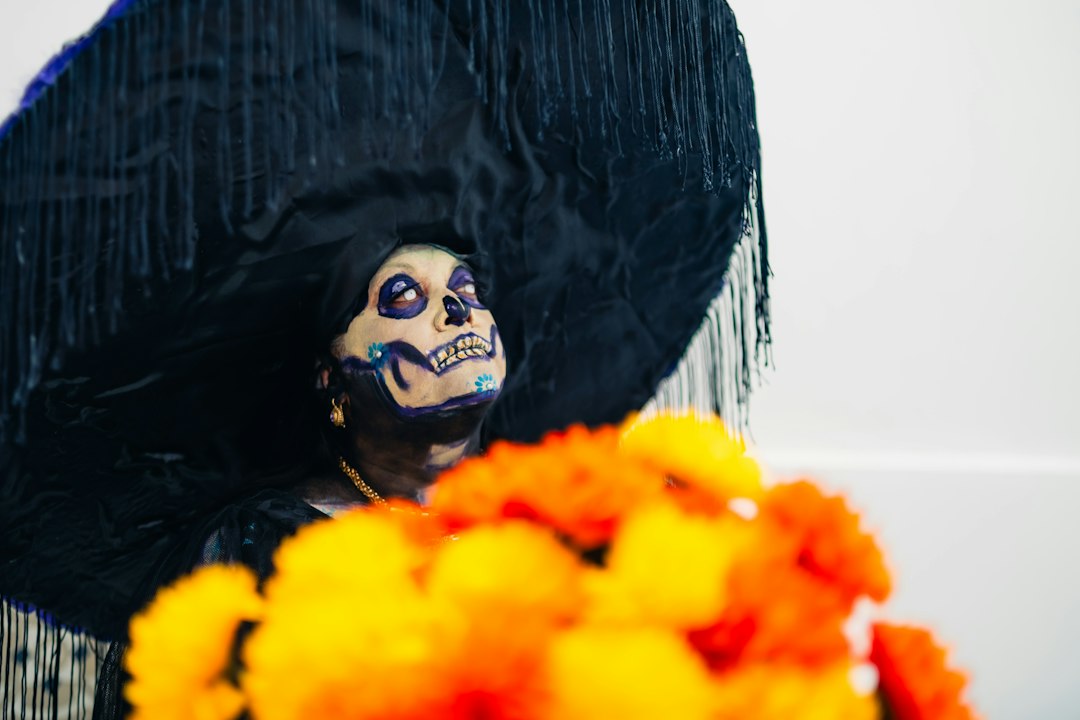
Día de los Muertos is a remembrance tradition. It is tied to family, memory, faith, Indigenous practices, Catholic observances, and regional customs. Many families build ofrendas, or altars, with photos, candles, marigolds, favorite foods, and personal items for loved ones who have died.
The dates are usually linked to November 1 and November 2. November 1 is often associated with children who have died. November 2 is often associated with adults. Practices vary by region and family.
The most recognized symbols include marigolds, sugar skulls, papel picado, candles, pan de muerto, and altar offerings. These are not Cinco de Mayo symbols. Using them for May 5 content can feel lazy, even when no harm was intended.
Why Calendar Tools Cause Confusion
Most holiday calendar tools are built for scheduling, not education. They help staff avoid booking meetings on public holidays. They help global teams plan launches. They help HR departments sync office closures. That has value.
Still, several flaws show up often:
- Thin descriptions: Many calendars offer one sentence or no context at all.
- Regional gaps: A holiday may matter in one city, state, or community, but not appear clearly in a global list.
- Bad category labels: Cultural observances may be grouped with national holidays, religious days, and retail events.
- Stock imagery traps: Search results can mix unrelated Mexican themes.
- No sensitivity guidance: A tool may show a date but not explain what tone is respectful.
Honestly, it feels like a five-second calendar lookup can create a five-hour cleanup. A brand posts the wrong graphic. Comments point it out. The team edits the caption. Then someone has to explain why the post was wrong in the first place.
Where Holiday Calendar Tools Still Help
Calendar tools should not be dismissed. They are good at what they are built to do. A school district, agency, newsroom, or remote company can use them to spot key dates early. They are especially helpful when managing events across countries and time zones.
Strong use cases include:
- Planning deadlines: Teams can avoid launches during major holidays.
- Office scheduling: HR can mark closures and floating holidays.
- Content calendars: Editors can flag dates for review weeks in advance.
- Customer support staffing: Support leaders can predict volume changes around public holidays.
A calendar should be treated as a starting point. It should not be the final source for cultural meaning.
Cultural Reference Alternatives That Work Better
Cultural reference alternatives give the missing context. These include museum articles, university explainers, official tourism pages, historical archives, community organizations, books, public libraries, and interviews with cultural experts.
For Cinco de Mayo, better sources may include historical material on the Battle of Puebla, Mexican government cultural pages, and Mexican American community organizations. For Day of the Dead, better sources may include museum guides, regional cultural centers, anthropology resources, and first-person accounts from families who observe the tradition.
The best process is simple:
- Check the date in a trusted calendar.
- Verify the meaning through at least two cultural or historical references.
- Review symbols before choosing images or emoji.
- Match the tone to the holiday. Celebration, remembrance, and civic commemoration are not the same.
- Ask a knowledgeable reviewer when the content targets a specific community.

A Practical Content Scenario
A retail social media team plans a May campaign for Mexican food products. The shared holiday calendar lists Cinco de Mayo on May 5. A junior planner searches “Mexican holiday images” and finds sugar skull graphics. Without review, those images could go live with a sale caption.
A better workflow adds two checks. First, the planner confirms that Cinco de Mayo relates to Puebla and the 1862 battle. Second, the designer checks that sugar skulls belong to Day of the Dead imagery, not May 5. The final post uses Puebla-inspired colors, respectful historical copy, and avoids mixing mourning symbols with party slogans.
The difference is not academic. It affects trust. A 2023 style audit by a mid-sized agency, using its own internal review log, found that about 1 in 4 holiday-themed drafts needed cultural edits before approval. Most issues were not cruel. They were rushed, generic, or copied from weak sources.
Quick Comparison
- Cinco de Mayo: May 5; Battle of Puebla; civic and heritage focus; often more visible in the United States than many expect.
- Day of the Dead: November 1 and 2; remembrance of the dead; family altars, marigolds, candles, food, and prayer or reflection.
- Holiday calendars: Good for dates, scheduling, and reminders.
- Cultural references: Better for meaning, tone, imagery, and respectful communication.
FAQ
Is Cinco de Mayo the same as Day of the Dead?
No. Cinco de Mayo is on May 5 and remembers the Battle of Puebla. Day of the Dead is observed around November 1 and 2 and honors deceased loved ones.
Is Cinco de Mayo Mexico’s Independence Day?
No. Mexico’s Independence Day is September 16. Cinco de Mayo marks a military victory against French forces in 1862.
Why do people confuse the two holidays?
They are often grouped under broad Mexican or Latin culture themes in ads, school materials, and image searches. Calendar tools may list dates without enough background.
Are sugar skulls appropriate for Cinco de Mayo content?
Usually no. Sugar skulls are tied to Day of the Dead. Cinco de Mayo content should not borrow those symbols without a clear, respectful reason.
What is the best tool for checking holidays?
A calendar tool is best for dates. A cultural reference source is best for meaning. Careful teams use both before publishing public content.
How can a team avoid holiday content mistakes?
They can verify the date, read cultural context, check symbols, and ask a knowledgeable reviewer before posting. That small step can prevent public corrections later.



How to Show PHP Version: PHP CLI vs phpinfo() for Checking Server PHP Versions
Use php -v to check the PHP version used by terminal commands, and use phpinfo() to check the PHP version…