
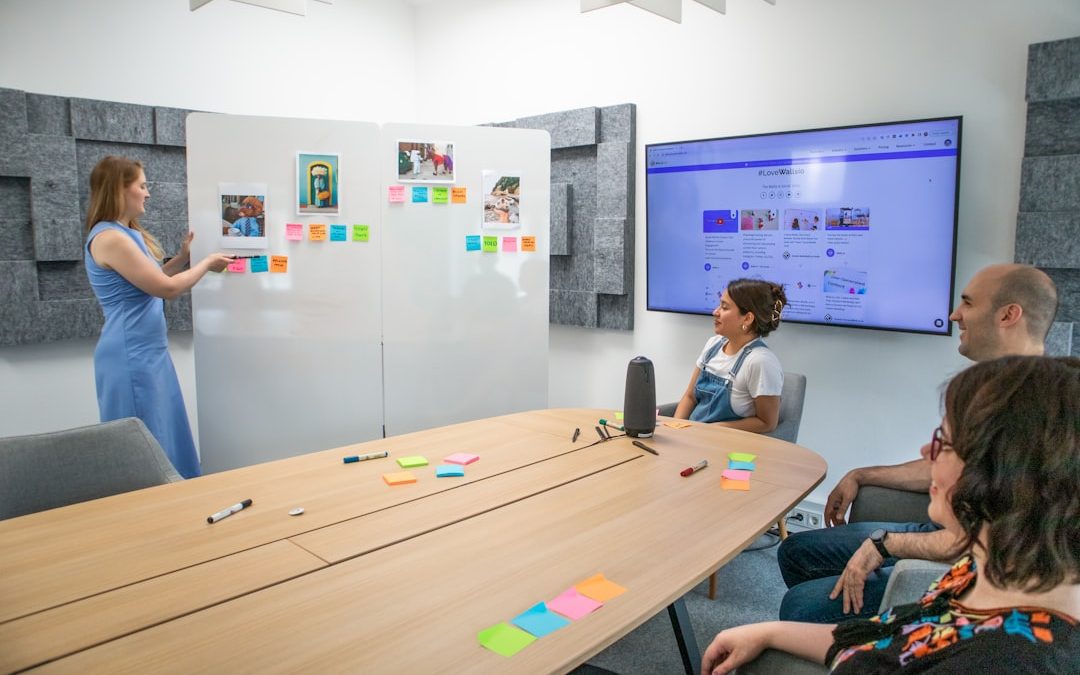

Strong leadership is not built in meeting rooms alone. It develops through shared experiences where people practice listening, making decisions, adapting under pressure, and learning how others think. Leadership games are structured activities that turn these skills into something visible, memorable, and practical. When chosen well, they help teams improve communication, build trust, and solve problems together in a way that feels engaging rather than forced.
TLDR: Leadership games help teams practice essential workplace skills in a low-risk, interactive setting. The best games strengthen communication, trust, collaboration, and problem solving by making behaviors visible and easier to discuss. They work best when followed by a short reflection so participants can connect the activity to real work challenges.
Why Leadership Games Work
People often understand leadership concepts intellectually but struggle to apply them when deadlines, misunderstandings, or disagreements appear. Games create a controlled environment where those challenges can be simulated. Instead of simply telling a team to “communicate better,” a leadership game gives them a task where success depends on clear instructions, active listening, and shared decision-making.
Another advantage is that games lower defensiveness. Feedback after a workplace mistake can feel personal, but feedback after an activity is easier to accept. Participants can ask, “What happened during the game?” before moving to the more important question: “Where does this show up in our real work?”

Games That Improve Communication
Communication is more than speaking clearly. It includes listening, confirming understanding, asking better questions, and noticing what is not being said. The following games help leaders and teams strengthen those habits.
1. Back-to-Back Drawing
In this simple but powerful activity, two people sit back-to-back. One person receives an image, shape, or diagram, while the other has a blank sheet of paper. The first person must describe the image without showing it, and the second person must draw it based only on the instructions.
- Best for: Clear instructions, active listening, and checking assumptions.
- Time needed: 10 to 20 minutes.
- Leadership lesson: What seems obvious to the speaker may not be obvious to the listener.
After the activity, compare the original image with the drawing. Discuss where communication broke down. Did the speaker provide enough detail? Did the listener ask clarifying questions? This game is especially useful for teams that rely on handoffs, written instructions, or remote communication.
2. The One-Minute Brief
In this game, participants are given a topic, project scenario, or workplace challenge and must explain it to the group in exactly one minute. The goal is not to rush, but to communicate the most important information with clarity and confidence.
This activity helps leaders practice concise communication. It also teaches them to separate essential information from background noise. In busy workplaces, the ability to deliver a clear and focused message can prevent confusion and save time.
Games That Build Trust
Trust is the foundation of effective leadership. Without it, teams hide mistakes, avoid difficult conversations, and hesitate to take initiative. Trust-building games encourage openness, reliability, and empathy.
3. The Trust Circle
Participants stand in a circle. One person steps into the center and answers a thoughtful prompt, such as, “What is one work challenge you have learned from?” or “What helps you feel supported by a team?” The person then chooses someone else to enter the circle.
- Best for: Psychological safety, empathy, and personal connection.
- Time needed: 20 to 30 minutes.
- Leadership lesson: Trust grows when people feel heard and respected.
The prompts should be meaningful but not overly personal. The purpose is not to pressure people into vulnerability, but to create space for honest sharing. Leaders should model the tone by answering first and keeping the atmosphere respectful.

4. Blindfold Navigation
In this activity, one participant is blindfolded while a partner guides them through a simple obstacle course using only verbal instructions. The obstacles can be chairs, cones, or objects placed safely around the room.
This game requires the guide to communicate calmly and precisely, while the blindfolded participant must trust and listen. It also reveals how pressure affects communication. Some guides become too vague; others overload their partner with too many instructions. The debrief can explore how leaders provide direction when team members face uncertainty.
Games That Strengthen Problem Solving
Problem solving is a core leadership skill because leaders rarely deal with perfect information or unlimited resources. Good problem-solving games encourage creativity, prioritization, collaboration, and decision-making under constraints.
5. The Marshmallow Tower Challenge
Teams receive spaghetti sticks, tape, string, and one marshmallow. Their task is to build the tallest freestanding tower with the marshmallow on top within a set time limit. Although the activity looks playful, it highlights important leadership behaviors.
- Best for: Experimentation, collaboration, and rapid problem solving.
- Time needed: 20 to 30 minutes.
- Leadership lesson: Testing early often beats planning endlessly.
Many teams spend too much time discussing the perfect design and too little time testing whether it works. Others jump into action without a shared plan. The most successful teams usually combine quick experimentation with clear communication. This makes the game a useful metaphor for innovation and project management.
6. Lost at Sea
In this classic decision-making game, teams imagine they are stranded at sea with a list of salvaged items. They must rank the items in order of importance for survival. First, participants rank the items individually. Then they work as a team to create a shared ranking.
The value of the activity is in comparing individual decisions with group decisions. Did the team listen to different perspectives? Did one person dominate? Did the group change its mind when presented with stronger reasoning? Lost at Sea helps leaders see how teams handle disagreement and uncertainty.
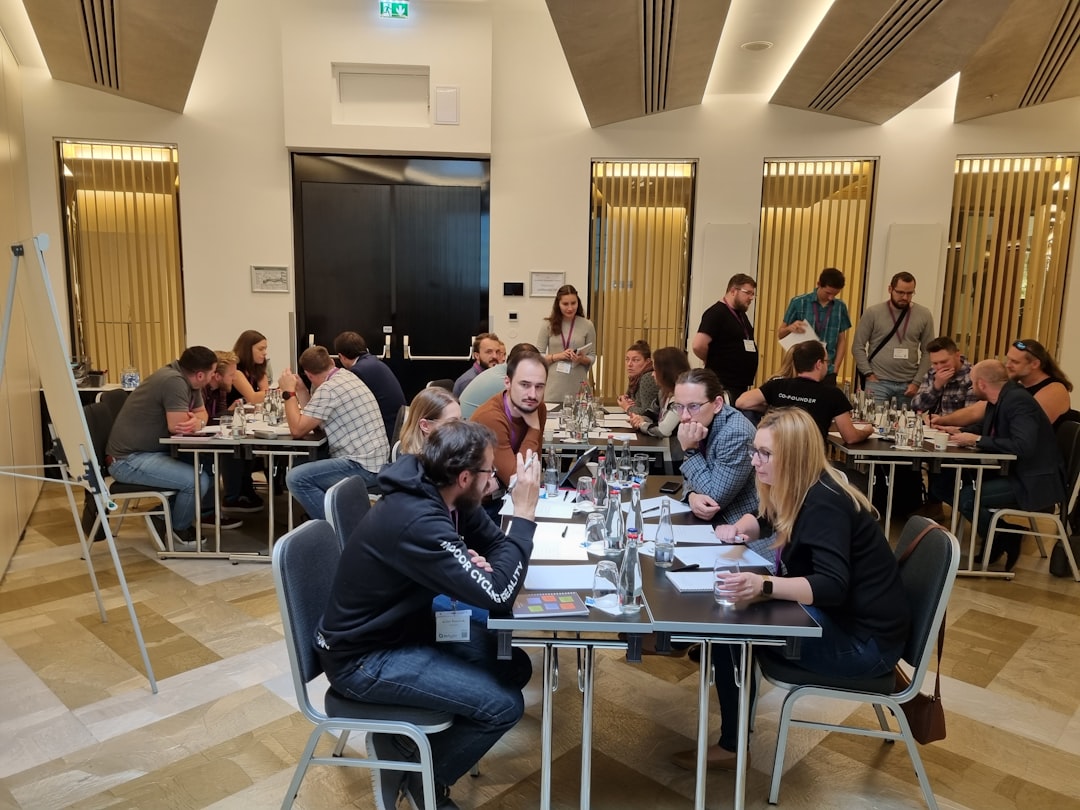
How to Facilitate Leadership Games Effectively
A leadership game is only as valuable as the conversation that follows it. Without reflection, it may feel like entertainment rather than development. A strong facilitator helps participants connect the activity to workplace behavior.
Use questions such as:
- What did we do well as a team?
- Where did communication become unclear?
- How did trust or lack of trust affect the outcome?
- Who took leadership, and how did that influence the group?
- What can we apply to our current projects?
It is also important to choose games that fit the team’s maturity, culture, and comfort level. A newly formed team may benefit from lighter communication games before moving into deeper trust exercises. A senior leadership group may need more complex simulations that challenge decision-making and accountability.
Tips for Choosing the Right Game
Before selecting an activity, define the goal. If the team struggles with unclear instructions, choose a communication game. If people avoid honest feedback, choose a trust-building activity. If projects stall because of indecision, use a problem-solving challenge.
Keep these guidelines in mind:
- Make the purpose clear. Participants should understand why the game matters.
- Keep it psychologically safe. Avoid activities that embarrass or single people out.
- Balance fun with learning. Enjoyment helps engagement, but insight is the goal.
- Debrief every time. The reflection turns the activity into leadership development.
- Connect it to real work. Ask participants to name one behavior they will practice afterward.
Final Thoughts
Leadership games are not just icebreakers or team-building fillers. When designed and facilitated well, they become practical tools for improving how people communicate, trust each other, and solve problems together. They reveal habits that are often hidden during everyday work and give teams a safe way to improve them.
The best leadership games do not require expensive materials or complicated rules. They require clear intention, active participation, and thoughtful reflection. Whether a team is new, growing, or facing complex challenges, the right game can create the kind of insight that leads to stronger leadership and better collaboration.


Best B2B Appointment Setting Agencies: Belkins vs. Martal Group for Booking More Meetings
Belkins is the stronger choice for companies that want a structured outbound engine with clear appointment targets, while Martal Group…