

Delivery is often discussed as a single logistics function, but in practice, local delivery and long-haul delivery operate under very different conditions. Each model has its own cost structure, vehicle requirements, staffing needs, delivery timelines, and risk factors. Understanding these differences is essential for businesses that ship products, manage fleets, work with carriers, or plan supply chain operations.
TLDR: Local delivery focuses on short-distance transport within a city, town, or regional area, often with multiple stops in a single route. Long-haul delivery covers much greater distances, usually between cities, states, or regions, and typically involves larger vehicles and longer transit times. The main differences come down to distance, equipment, scheduling, driver requirements, operating costs, and customer expectations.
What Is Local Delivery?
Local delivery refers to the transportation of goods over a relatively short distance, usually within the same city, metropolitan area, or nearby region. It is commonly used for retail orders, restaurant deliveries, grocery distribution, courier services, medical supply transport, and last-mile logistics.
Local delivery routes often include multiple stops in a single shift. A driver may deliver dozens of packages, visit several businesses, or serve residential customers throughout the day. Because the distances are shorter, local delivery depends heavily on route efficiency, traffic management, accurate addresses, and speed of service.
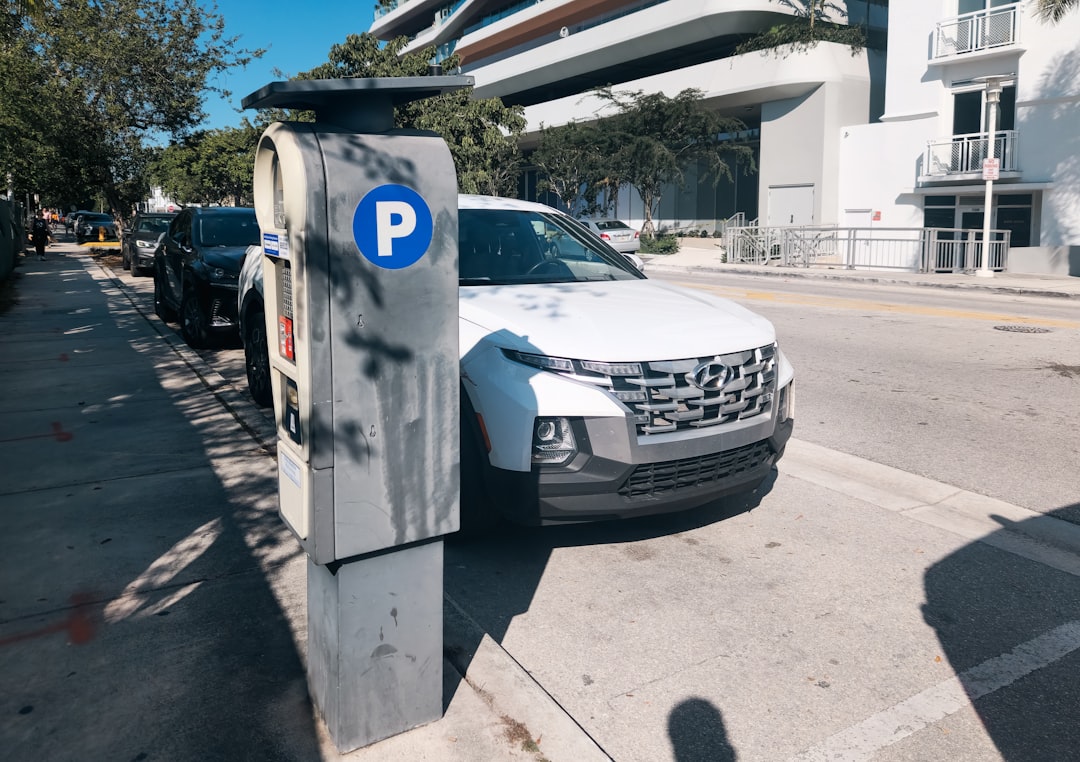
In many industries, local delivery is the final step between a business and its customer. This is why it is often called last-mile delivery. Although the distance may be short, the process can be complex because customers often expect precise delivery windows, real-time updates, and careful handling of their orders.
What Is Long-Haul Delivery?
Long-haul delivery involves transporting goods over long distances, typically across states, provinces, countries, or major regions. It is a core part of freight transportation and supply chain management. Long-haul shipments often move between warehouses, distribution centers, ports, manufacturers, and major retail hubs.
Unlike local delivery, long-haul transport usually focuses on moving larger volumes of freight over fewer stops. A truck may travel hundreds or even thousands of miles before reaching its destination. These operations require detailed planning, compliance with transportation regulations, fuel management, rest schedules, and coordination between shippers, carriers, and receivers.
Long-haul delivery is commonly associated with tractor-trailers, semi-trucks, refrigerated trailers, flatbeds, and intermodal freight. In some cases, long-haul delivery may also involve rail, air, or sea transport as part of a broader logistics network.
Key Difference 1: Distance and Delivery Area
The most obvious difference is distance. Local delivery is limited to a smaller geographic area, while long-haul delivery covers much larger territories.
- Local delivery: Usually operates within a city, town, county, or nearby region.
- Long-haul delivery: Often crosses state lines, national borders, or major regional corridors.
This difference affects nearly every part of the delivery process. Local delivery drivers may return to the same base or warehouse every day. Long-haul drivers, however, may spend several days or weeks on the road depending on the route, distance, and shipment requirements.
Key Difference 2: Vehicle Types
Local delivery commonly uses smaller and more maneuverable vehicles. These may include vans, box trucks, cargo bikes, motorcycles, or compact delivery vehicles. The goal is to navigate urban streets, parking areas, residential neighborhoods, loading zones, and congested traffic efficiently.
Long-haul delivery typically relies on larger commercial vehicles designed for high-capacity freight and extended travel. Semi-trucks, tractor-trailers, tanker trucks, refrigerated trucks, and specialized freight carriers are common. These vehicles are built for endurance, payload capacity, and highway performance.
The choice of vehicle affects fuel use, maintenance costs, licensing, insurance, and driver training. A business running local deliveries may prioritize vehicle flexibility and fast loading. A long-haul carrier will prioritize durability, cargo capacity, fuel efficiency, and regulatory compliance.
Key Difference 3: Scheduling and Delivery Speed
Local delivery is usually measured in hours or same-day time frames. Customers may expect delivery within a specific window, such as morning, afternoon, or evening. In sectors such as food, pharmacy, and e-commerce, speed can strongly influence customer satisfaction.
Long-haul delivery is generally measured in days rather than hours. Although speed still matters, long-haul schedules must account for distance, weather, driver rest periods, border crossings, weigh stations, traffic corridors, and loading times. Delivery windows may be wider, especially for freight moving between distribution centers.
In short, local delivery emphasizes responsiveness, while long-haul delivery emphasizes reliability over distance.
Key Difference 4: Driver Responsibilities and Working Conditions
Local delivery drivers often perform frequent loading and unloading, customer interaction, proof-of-delivery collection, route adjustments, and package handling. Their work can be physically demanding because of the number of stops involved. They may also need strong knowledge of local streets, parking restrictions, and traffic patterns.
Long-haul drivers face different challenges. They spend extended hours on highways, manage fatigue, inspect equipment, secure cargo, follow hours-of-service regulations, and plan rest breaks. The job requires discipline, patience, and a strong understanding of safety procedures. Long-haul drivers may spend significant time away from home, which can affect lifestyle and work-life balance.

Key Difference 5: Cost Structure
The costs of local and long-haul delivery differ significantly. Local delivery often has higher labor costs per mile because drivers make many stops and spend more time navigating traffic, parking, and customer locations. Failed deliveries, address errors, and waiting time can increase expenses.
Long-haul delivery usually has major costs tied to fuel, vehicle maintenance, driver compensation, tolls, insurance, regulatory compliance, and equipment depreciation. Because the distance is much greater, even small changes in fuel prices or route efficiency can have a large financial impact.
Common cost factors include:
- Fuel consumption: More significant in long-haul operations due to extended mileage.
- Labor time: Critical in local delivery because of frequent stops and customer interactions.
- Maintenance: Important for both, but long-haul vehicles often require heavy-duty upkeep.
- Technology: Route optimization, tracking, dispatch systems, and electronic logging tools may be needed.
Key Difference 6: Route Planning
Route planning for local delivery is focused on stop density, traffic patterns, delivery windows, and efficient sequencing. A well-planned local route can reduce delivery time, fuel use, and missed deliveries.
For long-haul delivery, route planning is broader and more strategic. It must consider highways, fuel stops, rest areas, weather conditions, road restrictions, freight weight, delivery deadlines, and legal driving limits. The focus is not just on the shortest path, but on the safest and most dependable route.
Both forms of delivery benefit from modern logistics software, but the priorities differ. Local systems often optimize many stops in a small area. Long-haul systems optimize distance, compliance, driver availability, and freight coordination.
Key Difference 7: Customer Expectations
Customers using local delivery often expect speed, transparency, and convenience. They may want live tracking, accurate arrival estimates, contactless delivery, or quick issue resolution. Because local delivery is often close to the end customer, service quality directly affects brand reputation.
Long-haul customers are usually more concerned with freight security, on-time arrival, documentation, and consistency. A manufacturer waiting for raw materials or a retailer waiting for inventory may be less focused on minute-by-minute updates and more focused on whether the shipment arrives safely within the agreed delivery window.

Which Delivery Model Is Right for a Business?
The right model depends on the type of goods, delivery distance, customer expectations, and operational capacity. A local bakery, pharmacy, furniture store, or grocery provider may need a strong local delivery system. A manufacturer, wholesaler, importer, or national distributor may depend more heavily on long-haul transportation.
Many companies need both. For example, goods may first move by long-haul freight from a manufacturer to a regional warehouse. From there, local delivery vehicles may complete the final leg to stores, offices, or individual customers. This combination is common in modern supply chains.
Final Thoughts
Local delivery and long-haul delivery serve different but equally important roles in logistics. Local delivery is built around speed, flexibility, and close customer contact. Long-haul delivery is built around distance, capacity, planning, and regulatory discipline.
Businesses that understand these differences can make better decisions about staffing, vehicles, technology, carrier partnerships, and service promises. Whether goods are moving across town or across the country, the goal remains the same: deliver the right items safely, efficiently, and on time.


Managed Security Service Provider: Arctic Wolf vs Sophos for Managed Cybersecurity
Pick Arctic Wolf if you want a full managed security team that works across many tools. Pick Sophos if you…