

Matoketcs sounds like a word a robot would sneeze. But it can be a very useful idea. Think of it as a simple way to make messy information, tasks, and tools work together. It helps people see what is happening, decide what matters, and take the next smart step.
TLDR
Matoketcs is a simple framework for organizing complex systems. It uses maps, tokens, checks, and clear steps to turn chaos into action. It matters because it helps teams, apps, machines, and people make better decisions with less confusion. In short, it is like a traffic controller for information.
What Is Matoketcs?
Matoketcs is a way to connect things that need to work together. These things can be people, data, tasks, rules, apps, or machines. It gives each thing a clear place and a clear role.
Imagine a busy kitchen. One chef chops onions. Another stirs soup. Someone checks the oven. Someone reads the orders. If no one knows the plan, the kitchen becomes a soup volcano. That is bad. Very bad.
Matoketcs helps stop the soup volcano.
It creates a system where every part knows what it is, what it does, and what should happen next. It does not have to be fancy. It just has to be clear.
The word can be understood as a mix of three simple ideas:
- Maps: They show where things are and how they connect.
- Tokens: They label things so the system knows what they mean.
- Checks: They make sure actions are safe, correct, and useful.
Put those ideas together, and you get Matoketcs. It is a practical method for handling complexity without needing a giant brain, a crystal ball, or seventeen cups of coffee.
Why Does It Have Such a Strange Name?
Good question. It does sound odd. But strange names can be helpful. They make us stop and ask what they mean.
Matoketcs is useful because it is not tied to one industry. It can apply to software. It can apply to business. It can apply to school projects. It can even apply to planning a party where three people bring chips and nobody brings plates.
At its heart, Matoketcs is about one big question:
How do we make many moving parts work as one smart system?
That question is everywhere now. Our lives are full of apps, alerts, files, passwords, forms, messages, lists, and tiny glowing rectangles. We need better ways to manage the mess.
How Matoketcs Works
Matoketcs works in a simple flow. First, it looks at the whole situation. Then it breaks the situation into smaller parts. Then it labels those parts. Then it checks what should happen. Then it suggests or triggers an action.
That sounds technical. So let us make it friendly.
Imagine you are sorting a giant toy box. There are blocks, cars, dinosaurs, puzzle pieces, and one mysterious sock. Matoketcs would not panic. It would do this:
- Map the box: What is inside?
- Tag each item: Is it a block, car, dinosaur, or sock?
- Check the rules: Do puzzle pieces go together? Do cars go in the red bin?
- Take action: Put each item in the right place.
- Learn from mistakes: If a dinosaur ends up with socks, fix the rule.
That is the core of Matoketcs. It is sorting, connecting, checking, and improving.
The Four Main Parts of Matoketcs
1. The Map
The map is the big picture. It shows all the parts of a system. It also shows how those parts connect.
In a company, the map might show teams, tools, customers, files, and approvals. In an app, the map might show screens, users, buttons, data, and rules. In a classroom, the map might show students, lessons, goals, assignments, and feedback.
A map makes invisible things visible. That is powerful.
2. The Tokens
Tokens are labels. They tell the system what something is.
A message might get a token like urgent. A file might get a token like invoice. A customer request might get a token like refund. A task might get a token like waiting for review.
Tokens stop confusion. They are like name tags at a party. Without name tags, someone may call the dentist “the cake guy.” That could get weird.
3. The Checks
Checks are rules and safety gates. They ask questions before action happens.
- Is this request complete?
- Is this user allowed to do this?
- Is the data correct?
- Is there a duplicate?
- Does this need human approval?
Checks help prevent silly mistakes and serious problems. They are the seatbelt of the system.
4. The Steps
Steps are the actions that happen after the checks. They may be simple. Send an email. Move a file. Update a dashboard. Create a reminder. Ask a person for approval.
The best steps are clear and small. Small steps are easier to test. They are also easier to fix.
A Simple Example
Let us say a small online shop gets customer messages. Some people ask about shipping. Some ask for refunds. Some ask if the shop sells hats for cats. It probably should. Cats in hats are a strong business idea.
Without Matoketcs, all messages land in one inbox. The team reads each one. They guess what to do. Some replies are late. Some messages are missed. Someone cries into a sandwich.
With Matoketcs, the system works like this:
- The message enters the system.
- The system reads the basic details.
- It gives the message a token, such as shipping or refund.
- It checks if the customer included an order number.
- If the order number is missing, it asks for one.
- If the request is clear, it sends it to the right person.
- The system tracks the result.
Now the team moves faster. Customers get better answers. Sandwiches stay dry.
Matoketcs and Automation
Automation is when systems do useful work without someone clicking every button. Matoketcs can make automation smarter.
Bad automation is like a puppy with a paint roller. It has energy. It has purpose. But it may ruin the living room.
Good automation needs structure. It needs to know what things mean. It needs rules. It needs limits. This is where Matoketcs helps.
It can tell an automated system:
- What kind of information it is handling.
- What action is allowed.
- When to stop and ask a human.
- How to record what happened.
This matters a lot. As more work becomes digital, systems need to be trusted. Trust does not come from magic. It comes from clear rules and visible behavior.
Matoketcs and People
Matoketcs is not only for machines. It is also for people.
People get overwhelmed when everything feels unclear. We ask questions like, “Who owns this?” or “What happens next?” or “Why is this spreadsheet named final final real final version seven?”
Matoketcs reduces that pain. It gives people shared language. It gives teams a shared map. It helps everyone understand the status of work.
That means fewer meetings. It also means better meetings. Yes, that is possible. Tiny miracle.
Why Matoketcs Matters
Matoketcs matters because the world is getting more connected. Every action can trigger another action. One customer order may involve a website, a payment system, a warehouse, a delivery company, and a support team.
If those parts do not connect well, problems spread fast.
A missed label can delay a package. A weak check can approve the wrong thing. A poor map can hide a bottleneck. Small confusion can become big chaos.
Matoketcs helps by making systems easier to see and easier to guide.
It matters for five big reasons:
- Clarity: People can see what is happening.
- Speed: Tasks move faster because steps are clear.
- Safety: Checks catch problems before they grow.
- Teamwork: Everyone uses the same structure.
- Learning: The system can improve over time.
Where You Might See Matoketcs
You may not see the word everywhere. But you can see the idea in many places.
In healthcare, it can help route patient forms to the right specialist. In education, it can organize lessons and student progress. In finance, it can catch missing data before a report is sent. In customer support, it can sort tickets and spot urgent issues. In software, it can guide how features, users, and data interact.
Even your personal life can use a Matoketcs-style approach.
Planning a trip? Make a map of flights, hotels, documents, and activities. Add tokens like booked, paid, and pending. Add checks like passport date, budget, and weather. Then follow steps.
Congratulations. You just made vacation less chaotic. Your future self may send you a thank-you postcard.
Common Mistakes
Matoketcs is simple, but it can still be done badly.
The first mistake is making the map too huge. A map should help. It should not look like spaghetti had a panic attack.
The second mistake is using too many tokens. If every item has twenty labels, labels stop being useful.
The third mistake is adding checks that slow everything down. Not every action needs a royal ceremony.
The fourth mistake is forgetting humans. A good system should support people. It should not trap them in a maze of buttons.
How to Start Using Matoketcs
You can start small. Pick one messy process. Do not try to fix the whole universe before lunch.
- Choose a process: Pick something annoying but important.
- Draw the map: List the people, tools, data, and steps.
- Add tokens: Decide which labels make sense.
- Create checks: Add simple rules that prevent errors.
- Define actions: Decide what happens after each check.
- Test it: Try it with real examples.
- Improve it: Remove clutter and fix weak spots.
Keep it light. Keep it clear. Keep it useful.
The Future of Matoketcs
As artificial intelligence, automation, and connected tools grow, ideas like Matoketcs will become more important. Systems will need better ways to explain themselves. People will need better ways to control them.
A future system should not be a black box that says, “Trust me, buddy.” It should show its map. It should explain its tokens. It should reveal its checks. It should let humans step in when needed.
That is the real promise of Matoketcs. It makes complex systems feel less mysterious. It turns hidden logic into visible structure. It makes smart tools more useful and less spooky.
Final Thoughts
Matoketcs is not about making life more complicated. It is about making complicated things easier to handle.
It gives us maps, tokens, checks, and steps. These simple pieces can organize messy work. They can help teams move faster. They can help machines behave better. They can help people feel less lost.
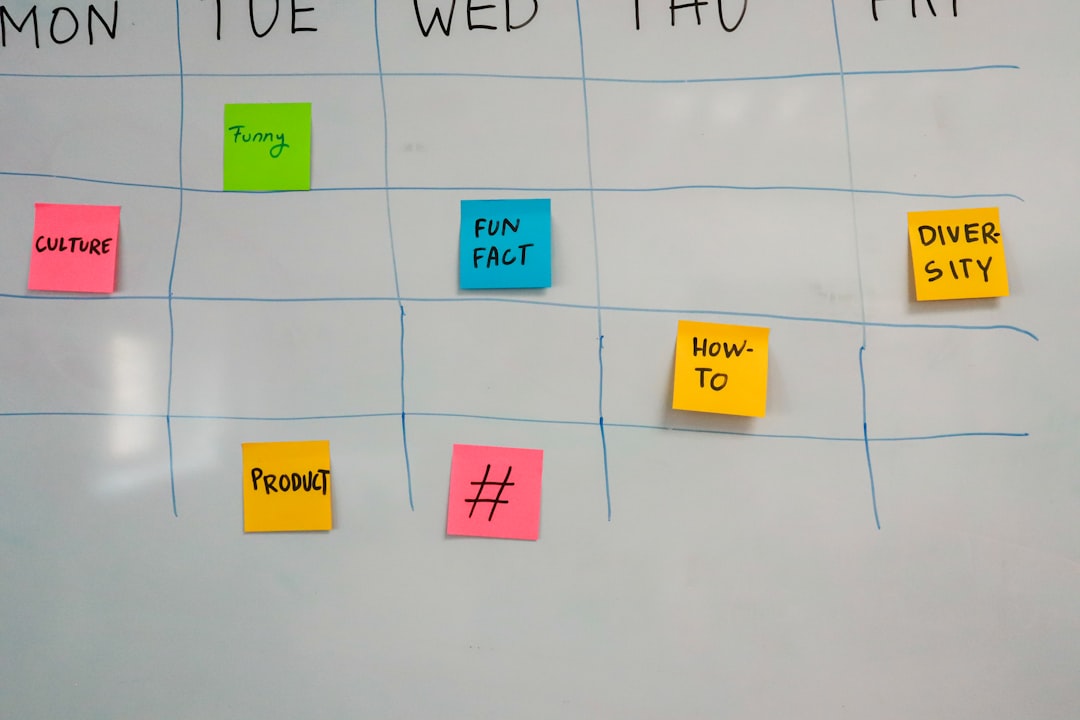
So the next time a process feels like a tornado full of sticky notes, think of Matoketcs. Map it. Label it. Check it. Step through it.
Then enjoy the rare and beautiful sound of chaos becoming calm.


WP Clone: Duplicator vs WPvivid for Cloning WordPress Websites
Pick Duplicator for a clean one-off move, and pick WPvivid if you want regular cloning, backups, and staging. That is…