

The best sales performance evaluation stack usually pairs Gong for call intelligence with Mindtickle for structured readiness, coaching programs, and certification. Gong is stronger when the question is, “What is actually happening in customer conversations?” Mindtickle is stronger when the question is, “Can our reps consistently perform the right skills, messages, and behaviors?” Most mature revenue teams should not treat them as identical tools.
TLDR: Gong is best for analyzing calls, deals, talk tracks, objections, and manager coaching moments. Mindtickle is better for onboarding, role plays, scorecards, readiness programs, and skills measurement. For example, a 40 rep sales team might use Gong to find that top performers ask 32% more discovery questions, then use Mindtickle to train the rest of the team on that behavior and certify improvement within 30 days. If budget allows only one tool, choose based on the bigger pain: poor deal execution points to Gong; inconsistent rep readiness points to Mindtickle.
What sales performance evaluation should actually measure
Good evaluation is not just about quota attainment. Quota is a result. Managers also need to measure the behaviors that create that result.
A serious rep scorecard should include:
- Pipeline quality: opportunity creation, stage movement, win rate, deal size, and close dates.
- Conversation quality: discovery depth, objection handling, next steps, pricing control, and buyer engagement.
- Sales process compliance: CRM hygiene, mutual action plans, qualification standards, and follow up speed.
- Skill readiness: messaging accuracy, product knowledge, role play results, and certification scores.
- Coaching impact: whether manager feedback changes rep behavior over time.
This is where the Gong versus Mindtickle question matters. Gong watches the work. Mindtickle prepares the rep to do the work better.
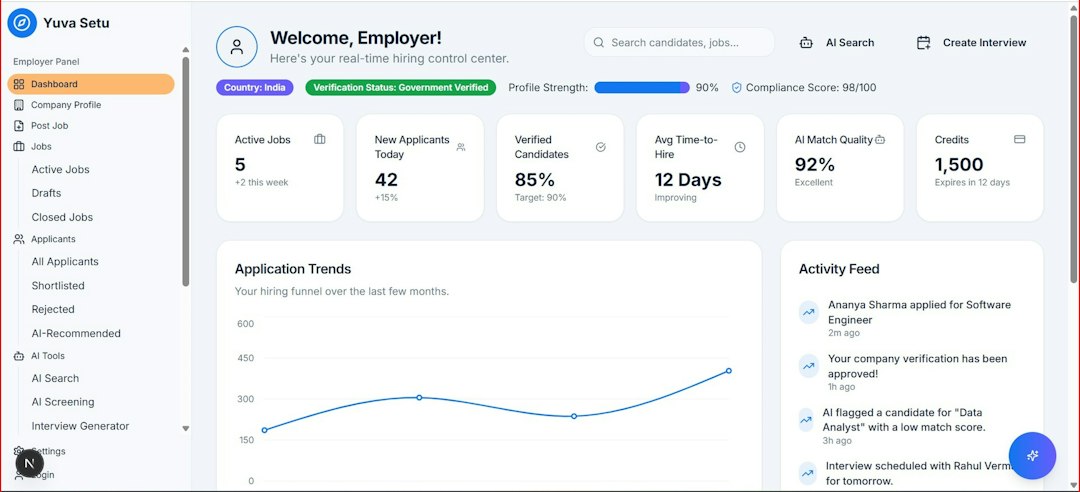
Gong: best for conversation intelligence and deal inspection
Gong records, transcribes, and analyzes sales calls, emails, and deal activity. Its biggest value is visibility. Managers no longer need to guess why a deal slipped or why one rep keeps outperforming another.
Gong can flag competitor mentions, pricing discussions, next step language, talk ratio, question volume, and customer sentiment. It can also help leaders compare high performers against the rest of the team. That matters because many sales teams still coach from memory, gut feel, or a single call review before a one on one.
Best use cases for Gong include:
- Call coaching for account executives and sales development reps.
- Deal risk review before forecast meetings.
- Identifying winning talk tracks and objection responses.
- Analyzing stalled opportunities.
- Training managers to coach from real buyer interactions.
The catch is that Gong can produce a lot of data. Not all of it is useful every week. Teams may start tagging every phrase and building too many dashboards. That gets messy fast. A manager should not need ten tabs to answer one question: “What should this rep improve next?”
Gong works best when leadership defines a small set of behaviors to inspect. For example, discovery call quality might be scored on business pain, decision process, urgency, budget, and next steps. Keep it tight. Then coach against those standards every week.
Mindtickle: best for readiness, enablement, and formal coaching
Mindtickle focuses on sales readiness. It helps teams build learning paths, product training, role plays, assessments, certifications, and coaching workflows. If Gong shows what happened in the field, Mindtickle helps standardize what reps should know and practice before they get there.
This is useful for teams with frequent product updates, complex messaging, regulated sales motions, or large onboarding classes. It also helps when managers coach inconsistently. One manager may give detailed role play feedback. Another may just say, “Good job,” which is not coaching.
Best use cases for Mindtickle include:
- New hire onboarding and ramp tracking.
- Product knowledge checks and certifications.
- Role play evaluation with structured rubrics.
- Ongoing skills coaching by segment or role.
- Readiness reporting for sales leaders.
Honestly, it feels like many teams buy readiness software after onboarding has already become painful. They notice new reps taking 90 days to sound credible, then scramble to create training assets. Mindtickle works better when content owners, sales managers, and revenue operations agree on standards before rollout.
Mindtickle is not usually the best source for live deal truth. It can show that a rep passed a negotiation certification. Gong can show whether that rep handled an actual pricing objection in a live call. Those are related, but not the same.

Gong vs Mindtickle: the practical comparison
| Category | Gong | Mindtickle |
|---|---|---|
| Main purpose | Analyze real sales conversations and deal activity. | Build rep readiness through training, practice, and certification. |
| Best audience | Sales managers, revenue leaders, deal reviewers. | Enablement teams, frontline managers, onboarding leaders. |
| Core data source | Calls, emails, meetings, CRM activity. | Assessments, learning paths, role plays, coaching plans. |
| Strongest benefit | Shows what buyers and sellers actually said. | Creates repeatable standards for skills and knowledge. |
| Main limitation | Can become noisy without clear coaching priorities. | Can feel disconnected from live deals if used alone. |
Other tools worth comparing
Salesforce remains the core system for pipeline, activity, forecast, and revenue reporting. It is not a coaching tool by itself, but it is still where many performance metrics should start. Bad CRM data will weaken every other tool.
Clari is strong for forecasting, pipeline inspection, and revenue process control. It helps leaders understand forecast risk and deal movement. It is less focused on rep skill development than Gong or Mindtickle.
Salesloft and Outreach are useful for sales engagement metrics. They show email activity, call volume, sequence performance, meeting conversion, and rep execution against outreach plans. They are especially useful for SDR and BDR teams.
Highspot and Seismic support sales content, enablement, and buyer engagement. They can show whether reps use the right assets and whether buyers engage with shared content. They are good complements to readiness and conversation tools.
Chorus, now part of ZoomInfo, competes more directly with Gong in conversation intelligence. It can be a fit for teams already using ZoomInfo products. As with Gong, value depends on coaching discipline, not just recording calls.
How to choose the right tool
Start with the business problem, not the demo. Demos always look clean. Real sales operations are not clean.
- If win rates are low but activity is high: start with Gong or Chorus to inspect call quality and deal execution.
- If new reps ramp too slowly: start with Mindtickle, Highspot, or another readiness platform.
- If forecasts are unreliable: consider Clari, paired with tighter CRM governance.
- If outbound performance is weak: inspect Salesloft or Outreach metrics before blaming messaging alone.
- If managers coach inconsistently: use Gong for real examples and Mindtickle for structured coaching plans.
A practical model is to connect three layers. First, use Salesforce for outcomes. Second, use Gong for observed selling behaviors. Third, use Mindtickle for readiness and correction. This gives leaders a cleaner view of performance: what happened, why it may have happened, and what to improve next.
Final recommendation
Gong and Mindtickle are not true replacements for each other. They answer different questions. Gong is the better choice for measuring live sales execution. Mindtickle is the better choice for building and validating rep capability.
For small teams, pick the tool tied to the most expensive problem. For larger teams, the combination can be powerful if managers commit to a clear coaching rhythm. Without that rhythm, expect to waste time on dashboards, recordings, and learning modules that do not change rep behavior.
The strongest sales organizations connect performance data to action. They do not just ask who missed quota. They ask which behaviors caused the miss, which skills need work, and whether coaching is making those skills better. That is where sales performance evaluation becomes useful instead of just administrative.

Managed Security Service Provider: Arctic Wolf vs Sophos for Managed Cybersecurity
Pick Arctic Wolf if you want a full managed security team that works across many tools. Pick Sophos if you…