

The strongest SEO strategy for 2026 is simple: publish content that solves real tasks, keep your site technically clean, and match pages to clear user intent. Search systems are getting better at judging usefulness, not just keywords. Thin pages, slow templates, weak internal links, and vague answers will keep losing ground.
TLDR: Build search visibility by pairing helpful content with strong technical health and intent-led page planning. For example, a B2B software site that updates 40 outdated guides, fixes crawl waste, and improves page speed could see organic leads rise by 18% to 35% over six months if demand already exists. Focus less on publishing more and more on making each URL earn its place.
1. Start With the Searcher’s Real Job
In 2026, SEO begins with the question behind the query. Not the keyword alone. Not the volume estimate. The real question is: what is this person trying to finish?
A user searching “best CRM for small accounting firm” does not need a generic CRM definition. They need use cases, pricing signals, compliance concerns, integrations, and a shortlist that respects firm size. A user searching “how to fix index coverage errors” needs steps, examples, and warnings about common mistakes.
Group queries by intent before writing:
- Informational: the user wants to learn, compare, or troubleshoot.
- Commercial: the user is weighing options before purchase.
- Transactional: the user is ready to buy, book, download, or contact.
- Support intent: the user needs help after using a product or service.
This matters because one page cannot satisfy every need. Honestly, it feels like many teams still force every article to sell. That creates awkward content. It also weakens trust.

2. Make Helpful Content Measurable
“Helpful” can sound vague, so make it practical. A helpful page has a clear audience, a clear promise, and enough detail to solve the problem. It also avoids filler.
Use this checklist before publishing:
- Does the page answer the core question in the first few paragraphs?
- Does it include original insight, data, examples, or expert review?
- Does it explain risks, limits, costs, or tradeoffs?
- Does it link to the next useful step?
- Would a qualified person stand behind the advice?
Search engines have grown more sensitive to content made only to capture traffic. Pages that repeat what ten other sites already say are weak assets. They may rank briefly, but they rarely build lasting visibility.
Add substance where it helps. Use screenshots, quotes from specialists, product data, benchmark numbers, process notes, and real examples. If your article says “improve site speed,” show what changed. If your guide recommends schema markup, show the type and explain why it fits.
3. Refresh Before You Publish More
Many sites do not need 200 new posts. They need 60 better ones. Old content often has backlinks, history, and partial rankings. That makes it a strong candidate for improvement.
Review content every quarter. Prioritize pages with declining impressions, falling click-through rate, outdated facts, or weak conversions. Then decide whether to update, merge, redirect, or remove.
A serious content refresh may include:
- Replacing outdated statistics.
- Adding missing questions from search results and sales calls.
- Improving title tags and meta descriptions.
- Combining thin articles into one stronger resource.
- Adding internal links from relevant high-authority pages.
Expect to waste time on bloated content tools if you rely on them blindly. Some take 20 seconds to return a basic recommendation, then suggest adding obvious terms your page already covers. Use tools for clues, not decisions.
4. Treat Technical SEO as Risk Control
Technical SEO is not glamorous. It is risk control for organic revenue. If search engines cannot crawl, render, index, or understand your pages, good content will underperform.
Focus on the basics first:
- Crawlability: keep important pages accessible through clean links.
- Indexing: use noindex, canonical tags, and redirects with care.
- Speed: reduce heavy scripts, oversized images, and slow server response.
- Mobile usability: test templates on real devices, not only lab tools.
- Structured data: mark up products, articles, FAQs, reviews, and organizations where accurate.
- Site architecture: keep key pages within a few clicks of strong hubs.
Core Web Vitals will remain part of quality assessment, but do not treat scores as the whole story. A fast page that gives a shallow answer still fails. A useful page that takes too long to load also fails. You need both.

5. Build Topic Authority With Clear Clusters
Search visibility grows when a site proves depth around a subject. One isolated article is rarely enough in competitive areas. Build clusters around core topics, then connect them with strong internal links.
For example, a cybersecurity company might create a main guide on ransomware readiness. Supporting pages could cover backup policy, employee training, incident response plans, cyber insurance, recovery timelines, and compliance reporting. Each page should serve a distinct intent.
Internal links should help users move through the topic. Avoid stuffing exact-match anchor text everywhere. Use plain labels that make sense. If a page is important, it should not be buried in an orphaned blog archive.
6. Prepare for AI-Influenced Search Results
Search results in 2026 will keep mixing classic links with AI summaries, rich results, shopping features, video, forums, and local packs. That does not make SEO dead. It raises the standard.
To earn visibility in AI-influenced results, write with clarity. Use factual statements. Define entities. Answer direct questions. Add source-worthy details that systems can extract and users can verify.
Good formatting helps. Use short sections, descriptive headings, tables where useful, and concise answers before deeper explanation. Do not hide the answer under five paragraphs of soft buildup.
Brand credibility also matters. Show who wrote or reviewed the content. Add author bios when expertise affects trust. Keep contact details, policies, and company information easy to find. This is especially critical for health, finance, legal, and safety-related content.
7. Measure SEO by Business Value, Not Just Rankings
Rankings are useful, but they are not the final score. Track the metrics that connect search to outcomes.
- Qualified organic sessions by landing page and topic.
- Conversions such as trials, calls, demos, leads, or purchases.
- Assisted conversions from informational pages.
- Index coverage for important page types.
- Click-through rate for pages with strong impressions.
- Content decay across priority URLs.
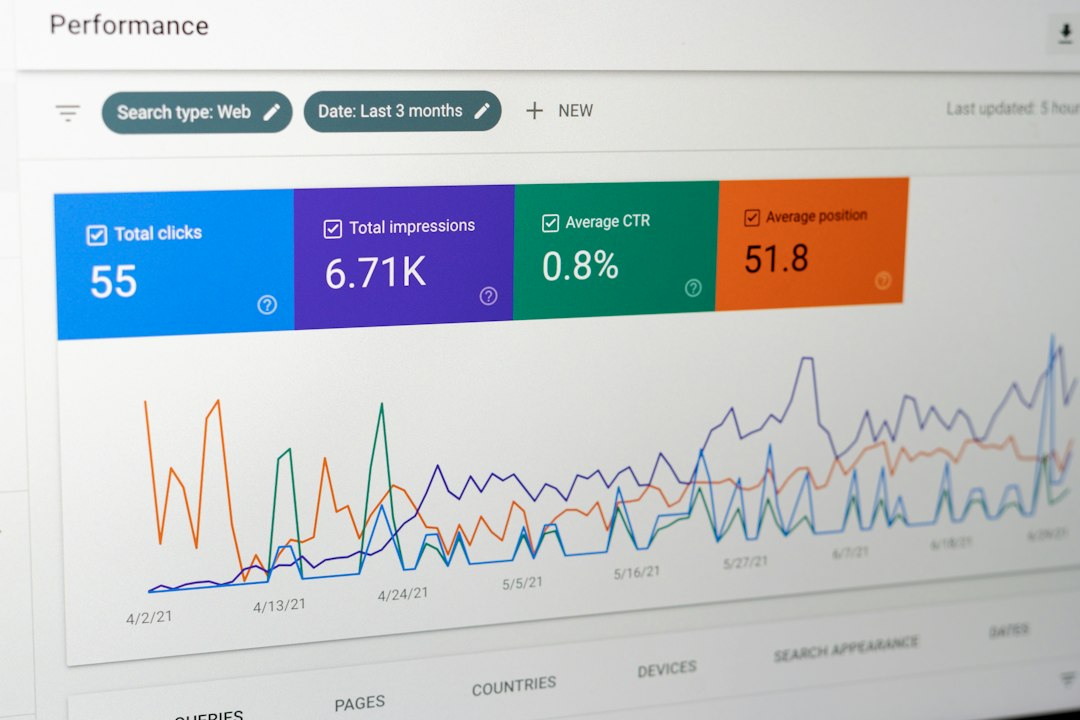
A page with 800 visits and 30 qualified leads may be more valuable than a page with 12,000 visits and no revenue path. This is where many SEO reports still fall short. Traffic without intent is just noise with a chart attached.
8. Use a Practical 2026 SEO Workflow
A reliable workflow keeps SEO from becoming random activity. Use a monthly cycle:
- Review performance: find pages gaining, losing, or failing to convert.
- Check technical health: scan crawl issues, speed problems, redirects, and indexation.
- Map intent gaps: compare your pages against user questions and search result formats.
- Improve priority URLs: update content, strengthen links, and refine titles.
- Publish selectively: create new pages only when they serve a clear need.
- Measure impact: track changes over weeks, not hours.
SEO in 2026 rewards discipline. The winners will not be the teams producing the most pages. They will be the teams that understand users, maintain clean sites, and improve content with proof. Build for usefulness first, then make that usefulness easy for search engines to find, process, and trust.

Best Alternatives to Windows 11 Privacy Tweaks: Comparing Winaero Tweaker, Privatezilla, and Win11Debloat
Choose Privatezilla for quick privacy hardening, Win11Debloat for a cleaner Windows 11 install, and Winaero Tweaker if you want privacy…