


In modern commerce, many products and services are purchased once and delivered repeatedly. Streaming platforms, software subscriptions, membership sites, meal kits, fitness apps, digital publications, and even utility services often rely on automatic charges that happen on a schedule. This process is commonly called recurring billing, and each repeated charge is often referred to as a rebill.
TLDR: A rebill is a repeat charge made to a customer’s payment method after an initial purchase or subscription signup. Recurring billing is the system that manages these scheduled payments automatically, usually weekly, monthly, annually, or according to another billing cycle. It helps businesses create predictable revenue while giving customers convenient access to ongoing services. However, clear terms, easy cancellation, secure payment handling, and proper communication are essential for a trustworthy rebilling process.
What Is a Rebill?
A rebill is a subsequent payment charged to a customer after the first transaction has already taken place. In most cases, the customer gives permission during the initial purchase for future payments to be collected automatically. These future payments may continue until the customer cancels, the subscription expires, the payment plan is completed, or the agreement changes.
For example, when a customer signs up for a monthly video streaming service, the first payment covers the first month. If the subscription continues, the next month’s automatic charge is the rebill. The same concept applies to software subscriptions, online courses, box subscriptions, cloud storage, magazine memberships, and installment-based purchases.
A rebill is not limited to digital services. It can also apply to physical products and professional services. A pet food delivery company may rebill customers every four weeks. A bookkeeping firm may rebill clients every month. A gym may rebill members on the same date each billing period.

How Recurring Billing Works
Recurring billing is the automated process behind repeat payments. It allows a business to charge a customer’s approved payment method at regular intervals without requiring the customer to manually pay each time. The process usually involves a subscription agreement, a payment gateway, billing software, and customer account records.
The basic process typically follows these steps:
- Customer signup: The customer selects a subscription, membership, service plan, or payment schedule.
- Payment authorization: The customer provides a payment method and agrees to future automatic charges.
- Billing schedule creation: The system records when and how often payments should occur.
- Automatic charge: On the scheduled date, the billing system attempts to process the rebill.
- Confirmation or failure notice: The customer and business may receive a receipt, invoice, or failed payment alert.
- Ongoing access or delivery: If payment succeeds, the service continues or the product is shipped.
This automation reduces administrative work for the business and helps customers avoid missed payments. Instead of sending manual invoices or payment reminders every cycle, the company can rely on software to manage the process.
Common Types of Rebilling Models
Different businesses use different recurring billing structures. The best model depends on the product, customer expectations, pricing strategy, and delivery schedule.
- Fixed recurring billing: The customer pays the same amount every cycle, such as a monthly software subscription costing the same fee each month.
- Usage-based billing: The customer is charged based on consumption, such as data usage, minutes used, messages sent, or storage consumed.
- Tiered billing: The price depends on the selected service level, such as basic, standard, and premium plans.
- Seat-based billing: The charge is based on the number of users, common in business software subscriptions.
- Installment billing: A larger purchase is divided into several scheduled payments until the balance is paid.
- Hybrid billing: A fixed subscription fee is combined with variable charges, such as a base platform fee plus usage costs.
Each model has advantages. Fixed billing is simple and predictable. Usage-based billing can feel fair because customers pay for what they use. Tiered billing gives customers choices, while installment billing makes expensive products more affordable.
Why Businesses Use Recurring Billing
Businesses use recurring billing because it creates more predictable revenue. A company with a stable subscriber base can estimate future income more accurately than a company that depends only on one-time sales. This predictability helps with budgeting, hiring, inventory planning, marketing, and long-term growth.
Recurring billing can also increase customer lifetime value. Instead of making a single purchase, customers maintain an ongoing relationship with the business. If the service continues to provide value, customers may remain subscribed for months or years.
Another advantage is operational efficiency. Automated rebilling reduces the need for manual invoicing, follow-up calls, and repeated checkout steps. Payments can be processed in the background, and customers can keep using the service with limited interruption.
For many companies, recurring billing also supports better customer experiences. A customer does not need to remember to renew every month, reorder the same product repeatedly, or enter payment details again. The service simply continues according to the agreed schedule.
Customer Benefits of Recurring Billing
Customers often appreciate recurring billing because it is convenient. The arrangement can save time, reduce the risk of late payments, and provide uninterrupted access to services. A person who uses a music streaming service, cloud backup platform, or subscription coffee delivery may prefer automatic billing because it removes repetitive tasks.
Recurring billing can also make costs easier to manage. Smaller monthly payments may be more affordable than one large annual or upfront payment. In some cases, businesses offer discounts for longer subscription commitments or annual billing.
However, recurring billing benefits customers most when the terms are clear. Customers should understand the amount, billing frequency, renewal date, cancellation process, refund rules, and any trial period conditions before agreeing to a rebill arrangement.
Rebill Authorization and Consent
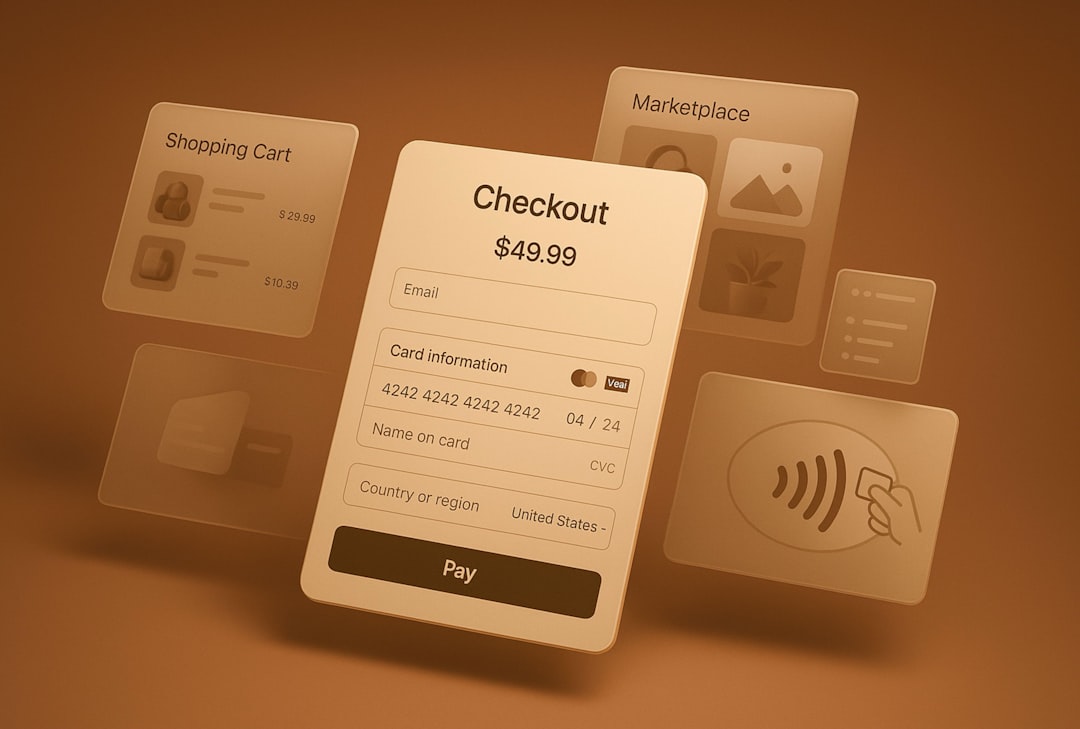
A legitimate rebill requires customer authorization. This means the customer must agree that the business may charge a payment method in the future. The agreement is often presented during checkout through subscription terms, a checkbox, a payment authorization notice, or a service contract.
Clear consent is important because customers need to know they are entering an ongoing payment arrangement. A well-designed checkout page should explain:
- The initial charge amount
- The future rebill amount
- The billing frequency
- The renewal or charge date
- How cancellation works
- Whether the price may change
- How failed payments are handled
When businesses hide subscription terms or make cancellation difficult, customers may dispute charges, complain publicly, or lose trust. Transparent rebilling practices protect both the customer and the business.
What Happens When a Rebill Fails?
A rebill may fail for several reasons. The customer’s card may be expired, the bank may decline the transaction, insufficient funds may be available, fraud filters may block the charge, or the payment method may have been canceled.
When a payment fails, many recurring billing systems use a process called dunning management. Dunning refers to the follow-up steps used to recover failed payments. These steps may include sending email reminders, retrying the charge after a certain number of days, requesting updated payment information, or temporarily pausing service access.
Good dunning practices should be professional and respectful. Instead of immediately canceling a customer’s account after one failed payment, a business may provide a grace period. This approach can preserve customer relationships and recover revenue that might otherwise be lost.
Security and Compliance in Recurring Billing
Because recurring billing involves sensitive payment information, security is critical. Businesses should use trusted payment processors and follow applicable payment security standards. In many cases, card details are not stored directly by the business. Instead, a payment gateway stores a secure token that can be used for future charges.
Tokenization helps reduce risk because the business does not need to handle raw card data. Encryption, fraud monitoring, secure authentication, and access controls also help protect customer information.
Depending on the industry and location, businesses may need to comply with rules related to automatic renewals, consumer protection, data privacy, and payment processing. These rules often require clear disclosure, renewal reminders, cancellation options, and accurate billing records.
Rebills, Trials, and Automatic Renewals
Many recurring billing relationships begin with a free trial, discounted trial, or introductory offer. After the trial ends, the customer is automatically rebilled at the regular price unless the subscription is canceled first. This model can help customers test a service before paying the full amount.
However, trial-based rebilling must be handled carefully. Customers should be told when the trial ends, what they will be charged, and how they can cancel. Some businesses send reminder emails before the first paid rebill to avoid confusion and reduce disputes.
Automatic renewals work similarly. A yearly subscription may renew automatically at the end of the term. If customers are not expecting the charge, the rebill can lead to frustration. Clear renewal notices and accessible account settings help reduce this problem.

How Businesses Can Improve the Rebilling Experience
A strong recurring billing experience is built on clarity, reliability, and trust. Businesses that use rebills should make it easy for customers to understand and manage their subscriptions.
Recommended practices include:
- Displaying billing terms clearly before purchase or signup.
- Sending receipts after each successful charge.
- Providing renewal reminders for annual plans, trials, or large payments.
- Offering self-service account tools for updating payment methods, changing plans, and canceling.
- Using accurate billing descriptors so customers recognize charges on bank statements.
- Creating fair refund and cancellation policies that are easy to find.
- Monitoring failed payments and communicating politely with customers.
These practices can reduce chargebacks, improve retention, and strengthen customer confidence. A rebill should not feel like a surprise. It should feel like a predictable part of an ongoing customer relationship.
Rebill vs. One-Time Payment
A one-time payment happens once and completes the transaction. The customer buys a product or service, pays for it, and no future payment is collected unless another purchase is made. A rebill, by contrast, is part of a continuing transaction structure.
The key difference is the expectation of future charges. With a one-time payment, there is no ongoing billing agreement. With a rebill, the customer has authorized the business to collect additional payments according to specific terms.
Both models can be useful. One-time payments may work best for standalone products, while recurring billing works best for ongoing access, repeated deliveries, memberships, and services that continue over time.
Conclusion
A rebill is a repeat charge made under an ongoing billing agreement, while recurring billing is the automated system that schedules and processes those charges. Together, they power many subscription and membership-based business models.
When managed properly, recurring billing benefits both businesses and customers. Businesses gain predictable revenue and operational efficiency, while customers receive convenience and uninterrupted service. The most successful rebilling systems are transparent, secure, easy to manage, and respectful of customer consent.
FAQ
What does rebill mean?
A rebill means a customer is charged again after an initial payment, usually as part of a subscription, membership, installment plan, or recurring service agreement.
Is a rebill the same as recurring billing?
Not exactly. A rebill is the individual repeat charge, while recurring billing is the automated process that manages scheduled repeat charges.
How often can rebills happen?
Rebills can happen daily, weekly, monthly, quarterly, annually, or on a custom schedule. The frequency depends on the agreement between the business and the customer.
Can a customer cancel a rebill?
In most subscription arrangements, a customer can cancel future rebills by following the company’s cancellation process. The timing of cancellation may affect whether the next scheduled charge still occurs.
Why did a customer receive a rebill after a free trial?
A free trial often converts into a paid subscription automatically after the trial period ends. If the customer agreed to those terms and did not cancel before the deadline, the first paid rebill may be processed.
What happens if a rebill payment fails?
The billing system may retry the charge, send a payment reminder, ask the customer to update payment details, or pause access to the service. The exact process depends on the business’s payment policies.
Are rebills legal?
Rebills are legal when the customer has authorized them and the business follows applicable laws, payment rules, and consumer protection requirements. Clear disclosure and easy cancellation are especially important.
How can a business reduce rebill disputes?
A business can reduce disputes by using clear subscription terms, recognizable billing descriptors, reminder emails, simple cancellation tools, accurate receipts, and responsive customer support.


How to Use Rufus and Ventoy to Install Windows 10 or Windows 11 from an ISO File
Rufus is best for one Windows ISO, while Ventoy is best when a user wants several ISOs on one USB…