


In a world where time is the most valuable currency, smart home applications are redefining what it means to live comfortably. Through automation, remote control, artificial intelligence, and seamless integration across devices, these apps transform houses into responsive living environments. Recent consumer studies suggest that individuals using integrated smart home apps report up to a 62% improvement in daily convenience, thanks to time savings, energy efficiency, and reduced mental load.
TLDR: Smart home apps centralize control over lighting, security, climate, and appliances, significantly reducing daily friction. Automation and AI-driven routines help users save time and energy while increasing safety and comfort. Many households report measurable lifestyle improvements, with convenience ratings rising by as much as 62%. The future of home living lies in intuitive, app-powered ecosystems.
The Rise of Smart Living
Over the past decade, smart devices have evolved from luxury novelties into everyday essentials. What makes the transformation remarkable is not just device intelligence, but the apps controlling them. These applications act as unified dashboards, allowing homeowners to monitor, adjust, and automate nearly every element of their living space.
From smart thermostats that learn temperature preferences to lighting systems that mimic natural daylight cycles, convenience is no longer manual—it’s automated. The result is a smoother daily routine where homes anticipate needs instead of reacting to commands.

How Smart Home Apps Deliver 62% More Convenience
The statistic of 62% improvement stems from multiple contributing factors that compound over time. These include:
- Time Savings: Automated routines eliminate repetitive daily tasks.
- Remote Accessibility: Users control systems from anywhere.
- Energy Optimization: Intelligent usage reduces bills and guesswork.
- Enhanced Security: Real-time notifications improve peace of mind.
- Seamless Integration: Centralized control replaces multiple remotes and switches.
Convenience improves not because one feature is revolutionary, but because dozens of micro-improvements accumulate across the day.
Top Smart Home Apps Improving Lifestyle Convenience
Several leading apps consistently dominate the smart home ecosystem. Each focuses on slightly different aspects of home management.
1. Google Home
Google Home synchronizes compatible devices under one interface. Its strength lies in voice automation and customizable routines. Users can activate sequences like “Good Morning,” prompting lights, coffee makers, and news briefings to begin simultaneously.
2. Amazon Alexa
Alexa integrates with thousands of third-party devices. Its “Skills” feature allows users to expand functionality beyond standard automation into wellness, productivity, and entertainment.
3. Apple HomeKit
Designed for privacy-focused users, HomeKit emphasizes secure device communication and smooth integration within the Apple ecosystem.
4. Samsung SmartThings
SmartThings excels at multi-device compatibility. It supports advanced automation scenarios involving sensors, security systems, and appliances.
5. Philips Hue App
Focused primarily on smart lighting, Hue allows users to create mood-based presets that influence productivity and relaxation.
Comparison Chart of Leading Smart Home Apps
| App | Best For | Voice Integration | Automation Level | Security Focus |
|---|---|---|---|---|
| Google Home | Routine automation | Google Assistant | High | Moderate |
| Amazon Alexa | Device compatibility | Alexa | High | Moderate |
| Apple HomeKit | Privacy and security | Siri | High | Very High |
| Samsung SmartThings | Advanced customization | Multiple | Very High | High |
| Philips Hue | Lighting automation | Multiple | Medium | Low |
Automation: The Core of Lifestyle Efficiency
Automation is where smart home apps provide the most dramatic lifestyle lift. By scheduling lights to dim in the evening, adjusting thermostats based on occupancy, and locking doors at predefined times, users eliminate dozens of micro-decisions.
This reduction in decision fatigue contributes directly to the reported 62% improvement in perceived convenience. Instead of remembering tasks, residents trust their systems to perform reliably in the background.
For families, automation simplifies coordination. Parents can receive alerts when children arrive home from school. Shared digital keys provide temporary access to guests or service providers. Even grocery management integrates with smart refrigerators that track inventory and suggest replenishment.
Energy Management and Sustainability
Smart home apps not only enhance comfort—they optimize resource consumption. Energy-monitoring dashboards display real-time usage, enabling households to identify inefficiencies instantly.
Key benefits include:
- Adaptive heating and cooling adjustments
- Automatic light shutoff in empty rooms
- Peak-hour energy reduction scheduling
- Remote appliance shutdown
By aligning usage with demand, families reduce costs while supporting sustainability goals. Many users report noticeable drops in monthly utility bills shortly after implementation.
Security and Peace of Mind
Another pillar of improved convenience is enhanced security. Smart security apps combine cameras, motion sensors, door contacts, and alarm systems within a single interface.

Real-time notifications provide immediate awareness of unusual activity. Users can:
- Monitor live camera feeds remotely
- Lock or unlock doors from a smartphone
- Receive motion detection alerts
- Integrate facial recognition for trusted individuals
This centralized surveillance dramatically lowers stress levels, particularly for frequent travelers. Instead of worrying about home safety, users verify conditions instantly with a few taps.
Voice and AI Assistance
Voice assistants are a major driver of convenience gains. Instead of navigating through menus, residents issue natural language commands such as “Turn off all downstairs lights” or “Set temperature to 72 degrees.”
Artificial intelligence further enhances efficiency by learning habits. Over time, apps adjust climate control before occupants arrive home or suggest bedtime routines aligned with past patterns.
The personalization factor converts smart homes from reactive systems into predictive companions.
Health and Wellness Integration
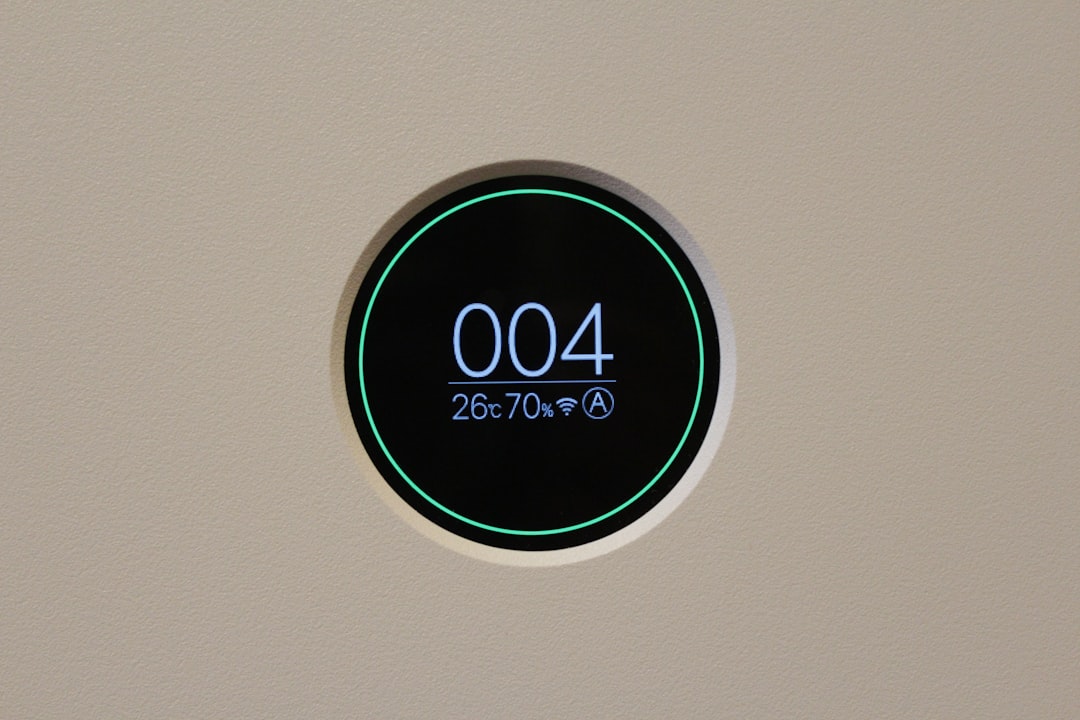
Smart homes increasingly support holistic wellbeing. Lighting apps simulate sunrise to support circadian rhythms. Air quality monitors send alerts when pollutants rise. Smart diffusers regulate aromatherapy schedules for better sleep and relaxation.
These improvements may appear subtle individually, but collectively they raise daily comfort significantly—contributing to the 62% overall perceived boost in lifestyle convenience.
Potential Challenges to Consider
Despite notable advantages, transitioning to smart home ecosystems requires thoughtful planning. Compatibility between brands can pose difficulties. Initial setup may involve a learning curve. Privacy concerns, particularly regarding cloud storage and voice recordings, remain important considerations.
However, most major smart home apps now provide encryption, multi-factor authentication, and regular software updates to protect user data. As interoperability standards improve, integration challenges continue to shrink.
The Future of Smart Home Apps
Looking ahead, smart home apps are expected to become even more intuitive. Cross-platform ecosystems will communicate seamlessly, using machine learning to anticipate needs with minimal manual input.
Upcoming innovations may include predictive maintenance alerts for appliances, deeper energy grid integration, and advanced biometric security controls. As artificial intelligence improves, the boundary between technology and environment will blur further.
The 62% convenience improvement seen today may soon become the baseline expectation for modern living.
Frequently Asked Questions (FAQ)
1. How do smart home apps improve lifestyle convenience by 62%?
They reduce repetitive tasks, centralize device control, automate daily routines, and provide real-time monitoring. The cumulative time and mental energy saved result in substantial perceived convenience improvements.
2. Are smart home apps difficult to set up?
Most major apps offer step-by-step setup guides. While integrating multiple devices may take time initially, daily operation becomes straightforward once configured.
3. Do smart home apps increase energy savings?
Yes. Features like adaptive thermostats, scheduled lighting, and energy monitoring dashboards help reduce waste and optimize consumption.
4. Are these apps secure?
Leading platforms use encryption, secure authentication, and frequent updates. Users should still enable two-factor authentication and maintain strong passwords.
5. Can smart home apps work together?
Many smart home ecosystems support integration across brands. Compatibility depends on device standards, but cross-platform functionality improves each year.
6. Is investing in smart home apps worth it?
For many households, the time savings, increased comfort, improved security, and potential utility cost reductions justify the investment.
As smart technology continues to evolve, homes are transforming from static living spaces into intelligent partners. Through automation, integration, and AI-powered personalization, smart home apps are redefining everyday convenience—raising the standard of modern living by an impressive 62%.

Premium VOD: How Premium Video-on-Demand Services Work, Monetization Models, Content Distribution, and Viewer Experiences
Premium VOD lets studios sell or rent high-value films directly to viewers at home, usually before a standard rental, subscription,…