


Determining the true value of a property has always been a blend of art and science. From comparing recent sales to evaluating neighborhood trends, property valuation once relied heavily on local knowledge and manual research. Today, however, advanced digital platforms leverage big data, artificial intelligence, and real-time market analytics to deliver fast, accurate estimates. Whether you’re a homeowner, investor, real estate agent, or financial professional, using the right valuation tool can make smarter decisions easier and more efficient.
TL;DR: Accurate property valuation is easier than ever thanks to advanced online platforms that combine market data, AI, and analytics. Tools like Zillow Zestimate, Redfin Estimate, Realtor.com, CoreLogic, and HouseCanary provide fast and reliable property valuations. Each platform has unique strengths, from consumer-friendly interfaces to deep investment analytics. Choosing the right one depends on your goals—whether buying, selling, refinancing, or investing.
In this guide, we’ll explore five leading property valuation platforms that stand out for their accuracy, innovation, and user experience.
1. Zillow Zestimate
Zillow is perhaps the most recognizable name in online real estate. Its proprietary valuation tool, the Zestimate, is powered by a sophisticated machine learning algorithm that analyzes millions of public and user-submitted data points.

Key Features:
- Automated valuation using AI-driven algorithms
- Frequent updates based on new listings and sales
- Access to comparable sales and neighborhood trends
- User-submitted corrections to improve accuracy
Why it stands out: Zestimate values are updated regularly, often multiple times per week. The platform continuously refines its model using transaction data, tax records, and user inputs. This makes it particularly useful for homeowners monitoring fluctuations in market value.
Best for: Homeowners who want a quick valuation snapshot and buyers exploring potential homes.
Limitations: Because it relies heavily on automated modeling, it may not fully capture unique features such as recent renovations or premium finishes unless updated by users.
2. Redfin Estimate
Redfin combines technology with a brokerage model, giving it direct access to detailed MLS (Multiple Listing Service) data. The Redfin Estimate is known for its competitive accuracy rates, especially in markets where Redfin operates extensively.
Key Features:
- MLS-sourced property data
- Updates on a daily basis in many markets
- Transparent accuracy stats published by region
- Direct connection to Redfin real estate agents
Why it stands out: Redfin openly shares its median error rates, adding a layer of transparency that many users appreciate. Because it integrates broker-level data, it can offer highly precise estimates in active metropolitan areas.
Best for: Buyers and sellers actively participating in competitive urban markets.
Limitations: Coverage may be less detailed in rural or less-active regions where Redfin has limited direct brokerage presence.
3. Realtor.com My Home
Realtor.com leverages its vast database and relationships with MLS providers across the United States. Its My Home tool allows homeowners to track property values, equity changes, and local market conditions.

Key Features:
- MLS-backed data accuracy
- Personalized dashboard for tracking home equity
- Neighborhood insights and price trends
- Integration with listing and buying tools
Why it stands out: Realtor.com pulls directly from MLS databases, often making its listings and property data highly reliable. Users can also monitor how their home’s value evolves over time, making it useful for long-term financial planning.
Best for: Homeowners tracking equity growth and prospective sellers preparing to list.
Limitations: Valuation tools may be less dynamic compared to AI-focused investment analytics platforms.
4. CoreLogic
CoreLogic is a powerhouse in property data and analytics, often operating behind the scenes in mortgage lending, insurance underwriting, and financial services. Unlike consumer-facing platforms, CoreLogic serves professionals who require in-depth, data-rich property insights.
Key Features:
- Comprehensive public record and proprietary datasets
- Risk assessment tools (flood, natural disaster, climate)
- Automated Valuation Models (AVMs) for lenders
- Detailed property history reports
Why it stands out: CoreLogic aggregates billions of property records, providing lenders and insurers with extremely robust datasets. Its valuation models are widely trusted in financial decision-making processes.
Best for: Mortgage lenders, banks, insurers, and real estate professionals requiring institutional-grade analytics.
Limitations: Not as consumer-friendly and may require subscriptions or enterprise access.
5. HouseCanary
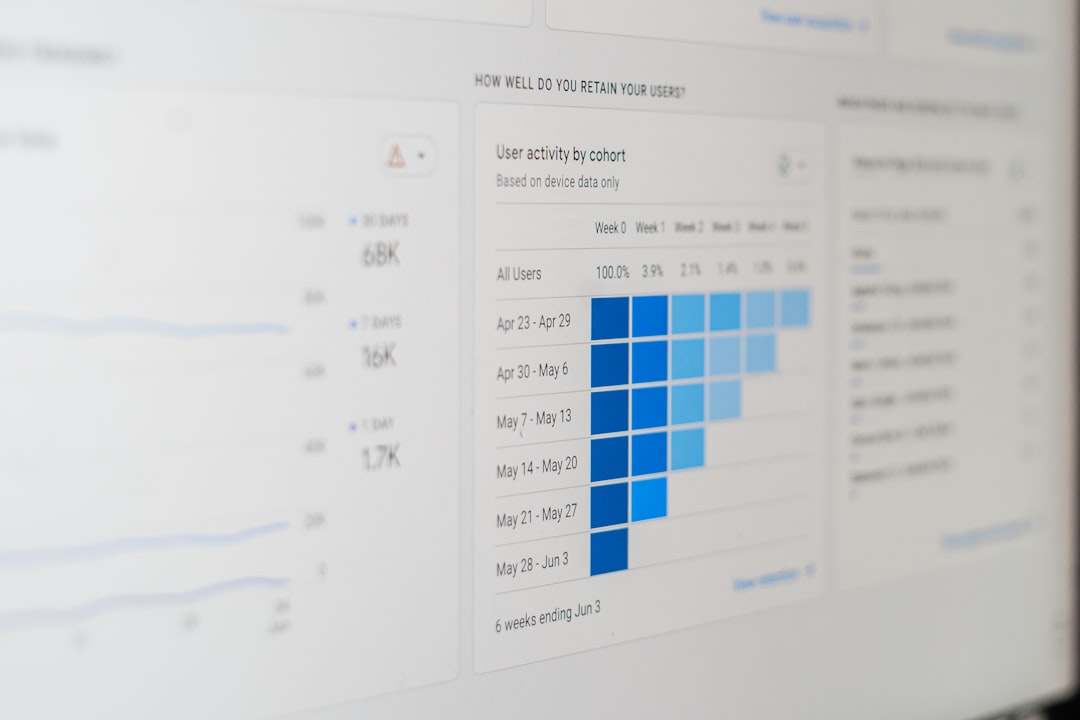
HouseCanary positions itself as a next-generation real estate analytics platform. Combining AI, predictive modeling, and extensive property datasets, it offers both current valuations and forward-looking forecasts.
Key Features:
- AI-powered Automated Valuation Models
- Three-year market forecasts
- Investment-grade analytics
- Customizable data reports
Why it stands out: HouseCanary doesn’t just tell you what a home is worth today—it forecasts potential future appreciation or depreciation. This predictive capability makes it especially appealing for institutional investors and property developers.
Best for: Real estate investors, hedge funds, and analysts focused on market trends and portfolio growth.
Limitations: Advanced features may require higher-tier subscriptions and professional expertise to interpret fully.
How to Choose the Right Platform
The “best” property valuation platform depends entirely on your objectives. To narrow your selection, consider the following factors:
- Purpose: Are you buying, selling, refinancing, investing, or underwriting?
- Data depth: Do you need a quick estimate or comprehensive analytics?
- Geographic coverage: Is the platform reliable in your specific market?
- Update frequency: Does the valuation refresh regularly?
- Transparency: Does the company share accuracy metrics?
Pro Tip: For high-stakes decisions, cross-check estimates from multiple platforms. If three independent tools produce similar valuations, you can feel more confident about the price range.
Understanding Automated Valuation Models (AVMs)
Most modern platforms rely on Automated Valuation Models (AVMs). These models use statistical techniques and machine learning to evaluate:
- Recent comparable home sales
- Property characteristics (size, age, features)
- Location desirability and neighborhood data
- Market supply and demand trends
- Economic indicators such as interest rates
While AVMs are powerful, they are not flawless. Unique properties—such as custom-built homes, historic estates, or properties in thinly traded areas—may require human appraisals for greater precision.
The Human Factor in Property Valuation
Despite the sophistication of digital tools, human expertise still plays a key role. Licensed appraisers conduct in-person evaluations, assess property condition, and account for nuances that algorithms may miss. Real estate agents bring local market knowledge and negotiation insight to the table.
For the most accurate results, many professionals combine:
- Online platform estimates
- Comparative Market Analysis (CMA)
- Professional appraisals
- On-the-ground market knowledge
This hybrid approach minimizes risk and supports informed decision-making.
Final Thoughts
The evolution of property valuation platforms has transformed how people understand real estate value. What once required days of research and professional consultations can now be accessed instantly with a few clicks. Platforms like Zillow Zestimate and Redfin Estimate offer convenient snapshots for everyday users, while more sophisticated solutions such as CoreLogic and HouseCanary deliver powerful analytics for professionals and investors.
Ultimately, accurate property valuation is about more than numbers—it’s about context. By understanding each platform’s methodology, strengths, and limitations, you can confidently use digital tools to support smarter real estate decisions. Whether you’re listing your first home, building an investment portfolio, or refinancing at the right moment, leveraging the right valuation platform can make all the difference.


Copy Fail CVE: Understanding Copy-Related CVE Security Issues, Vulnerability Assessment, Exploitation Risks, and Defensive Mitigation
Copy-related CVEs should be treated as high-risk memory and data-handling flaws until proven otherwise. A small mistake in copying bytes,…