
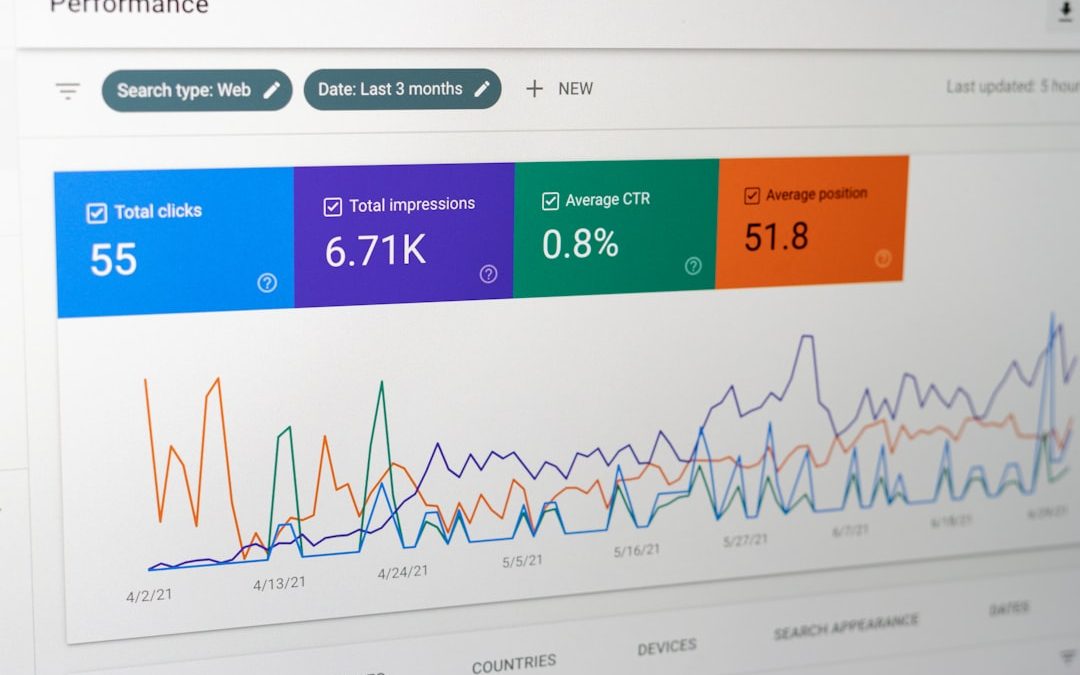

Mobile applications have become the backbone of modern business, entertainment, finance, healthcare, and communication. With millions of apps competing for attention across app stores, performance is no longer a luxury—it is an expectation. Users demand lightning-fast load times, seamless interactions, and uninterrupted service. Even a few seconds of delay or a single unexpected crash can result in negative reviews and lost revenue. This is where mobile performance monitoring software plays a crucial role, giving businesses the visibility they need to observe, analyze, and optimize app performance in real time.
TLDR: Mobile performance monitoring software helps businesses track, analyze, and improve app performance in real time. It identifies crashes, slow load times, network issues, and user experience bottlenecks before they impact revenue and reputation. By providing actionable insights and diagnostic data, these tools enable continuous optimization. The result is faster, more reliable apps and happier users.
What Is Mobile Performance Monitoring Software?
Mobile performance monitoring software is a specialized tool designed to collect data about how a mobile application behaves in real-world conditions. Unlike traditional testing environments, these tools monitor live applications running on actual devices, networks, and operating systems.
They measure metrics such as:
- App launch time
- Screen load performance
- Crash frequency
- API response times
- Memory and CPU usage
- Network latency
- Battery consumption
By aggregating this information into dashboards and reports, businesses gain actionable insights that help technical teams identify bottlenecks and inefficiencies before users abandon the app.

Why Mobile App Performance Matters More Than Ever
The average mobile user has minimal patience. Research consistently shows that users expect apps to load within two to three seconds. If an app lags, freezes, or crashes, the likelihood of uninstallation increases dramatically.
Poor performance leads to:
- Higher churn rates
- Negative app store reviews
- Reduced customer trust
- Lower conversion rates
- Revenue loss
Performance directly impacts brand perception. A fast, responsive app communicates reliability and professionalism. A slow one signals neglect. Monitoring software ensures businesses proactively manage performance rather than reacting after damage is done.
Key Features of Mobile Performance Monitoring Tools
1. Real-Time Monitoring
Real-time monitoring allows developers and operations teams to instantly detect issues. If a new update causes a spike in crashes or slows down load times, alerts are triggered immediately. This shortens response time and minimizes user impact.
2. Crash Reporting and Diagnostics
Crashes are inevitable in complex software environments. What matters is how quickly and accurately they are diagnosed. Monitoring tools capture detailed reports including stack traces, device type, operating system version, and user session data. This dramatically accelerates bug resolution.
3. Network Performance Tracking
Mobile apps rely heavily on APIs, cloud services, and third-party integrations. Monitoring solutions measure network response times and detect slow backend services. This ensures businesses can pinpoint whether performance issues stem from the app itself or external systems.
4. User Experience Metrics
Beyond technical metrics, many monitoring platforms measure user experience through:
- Session duration
- User flows
- Interaction responsiveness
- Page transition times
These insights bridge the gap between backend performance and real-world user satisfaction.
5. Device and OS Coverage
The mobile ecosystem is fragmented across countless device models, screen sizes, and operating system versions. Performance monitoring software collects data across this diversity, helping teams identify device-specific issues that may otherwise go unnoticed.
Types of Mobile Performance Monitoring
Monitoring solutions can generally be divided into several categories:
Real User Monitoring
Real User Monitoring collects data from actual users interacting with the application in live environments. It provides authentic performance insights based on real network conditions and device behavior.
Synthetic Monitoring
Synthetic monitoring simulates user interactions through scripted testing. It is useful for benchmarking and proactively identifying performance degradation before users are affected.
Infrastructure Monitoring
This type focuses on backend services such as servers, APIs, and cloud systems. It ensures that the infrastructure supporting the mobile app remains stable and responsive.
Many advanced platforms combine all three approaches to provide comprehensive visibility.
How Monitoring Software Improves Development Cycles
Performance monitoring is not just about fixing problems—it enhances the entire development lifecycle.
Faster Debugging: With detailed diagnostics and context-rich error reports, developers can reproduce and fix issues more efficiently.
Data-Driven Updates: Rather than guessing which features need improvement, teams rely on performance data to prioritize optimizations.
Continuous Improvement: Monitoring enables ongoing optimization instead of one-time fixes.
Integrating monitoring early in the development cycle, particularly in staging and beta phases, reduces the risk of costly post-release performance failures.

Benefits for Businesses and Product Teams
Enhanced User Retention
Stable and responsive apps encourage long-term engagement. When users consistently experience smooth functionality, loyalty increases.
Increased Revenue
E-commerce and subscription-based apps depend heavily on performance. Even slight slowdowns during checkout can significantly impact conversions. Monitoring helps maintain optimal speed during critical transactions.
Stronger Brand Reputation
App store ratings directly influence download decisions. Fewer crashes and better responsiveness lead to higher ratings and improved visibility.
Reduced Downtime Costs
Quickly identifying and resolving performance issues minimizes operational disruptions and financial losses.
Common Challenges in Mobile Performance Monitoring
While monitoring software is powerful, implementing it effectively requires strategic planning.
- Data Overload: Collecting excessive metrics can overwhelm teams. Prioritizing actionable data is crucial.
- User Privacy Concerns: Monitoring must comply with data protection laws and ensure sensitive user information is anonymized.
- Integration Complexity: Some tools require technical expertise to integrate seamlessly into existing systems.
- Performance Overhead: Monitoring scripts must be optimized so they do not negatively impact app speed.
Organizations that address these challenges through careful implementation maximize the value of their monitoring strategy.
Best Practices for Effective App Performance Monitoring
To get the most out of performance monitoring software, consider the following best practices:
- Define Clear Performance KPIs – Establish benchmarks for acceptable load time, crash rate, and response time.
- Monitor After Every Release – New updates introduce new risks. Continuous post-release monitoring is essential.
- Segment Data by Device and Region – Performance may vary across geographic regions and hardware configurations.
- Set Up Smart Alerts – Configure alerts for anomalies rather than minor fluctuations to avoid alert fatigue.
- Integrate with DevOps Workflows – Connect monitoring tools with ticketing and CI pipelines for rapid response.
These strategies transform performance monitoring from a passive tool into a proactive optimization engine.
The Future of Mobile Performance Monitoring
As mobile technology evolves, performance monitoring tools are becoming more intelligent and predictive. The integration of artificial intelligence and machine learning enables platforms to:
- Predict potential crashes before they occur
- Automatically detect anomalous behavior patterns
- Correlate frontend and backend bottlenecks
- Offer automated root cause analysis
Additionally, with the growing adoption of 5G networks, edge computing, and IoT-connected mobile applications, monitoring solutions must adapt to increasingly complex ecosystems.
Security monitoring is also converging with performance observation. Modern platforms now provide combined insights into both application health and potential vulnerabilities, ensuring comprehensive operational visibility.
Conclusion
Mobile performance monitoring software has become an indispensable asset in today’s app-driven world. In an environment where users expect flawless digital experiences, businesses cannot afford blind spots. These tools provide real-time visibility, actionable insights, and the confidence to continuously optimize mobile applications.
From reducing crashes and accelerating load times to protecting revenue and strengthening brand loyalty, performance monitoring empowers companies to stay competitive in crowded marketplaces. As mobile ecosystems grow more sophisticated, investing in intelligent monitoring solutions is not just a technical enhancement—it is a strategic necessity.
Ultimately, observing app performance is about more than data collection. It is about delivering seamless experiences that users trust, enjoy, and return to again and again.


Clear Wi-Fi Cache: DNS Cache Flush vs Router Restart for Troubleshooting Wireless Connections
Flush the DNS cache first when websites act strange, but restart the router when the whole wireless connection is slow,…