


In today’s competitive property market, real estate professionals need more than charm and listings to close deals—they need smart systems. Customer Relationship Management (CRM) tools have become essential for organizing leads, nurturing prospects, automating follow-ups, and tracking transactions. The right CRM can transform scattered spreadsheets and forgotten follow-ups into a streamlined pipeline that consistently converts inquiries into signed contracts.
TLDR: Real estate CRM tools help agents manage leads, automate communication, and close more deals efficiently. The best platforms offer features like automated follow-ups, pipeline tracking, email marketing, and transaction management. This article highlights seven of the most effective CRM tools for real estate professionals and explains how they support productivity and revenue growth. A FAQ at the end answers common questions about choosing and using a CRM.
Below are seven powerful real estate CRM tools that are helping agents increase conversions, reduce manual tasks, and build stronger client relationships.
1. Follow Up Boss
Follow Up Boss is widely recognized for its simplicity and powerful automation capabilities. Designed specifically for real estate professionals, it centralizes lead management so no inquiry slips through the cracks.

Key features include:
- Automatic lead import from multiple sources
- Text messaging and email integration
- Smart follow-up reminders
- Team performance tracking
What makes Follow Up Boss stand out is its focus on speed and responsiveness. Agents can instantly respond to new leads via text or email, a critical advantage in a market where response time often determines who wins the client. Its intuitive interface also reduces onboarding time, making it ideal for busy teams.
2. kvCORE
kvCORE combines CRM functionality with marketing automation and lead generation tools. It is particularly attractive to brokerages that want an all-in-one solution.
Notable capabilities:
- Built-in IDX website
- Automated behavioral follow-ups
- Lead scoring technology
- Mass and targeted email campaigns
This system tracks user behavior on websites and automatically adjusts communication accordingly. For example, if a buyer repeatedly views homes in a certain price range, the system triggers personalized property alerts. This level of automation allows agents to nurture leads at scale while maintaining a customized feel.
3. LionDesk
LionDesk is known for affordability and multimedia communication tools. It supports email, text, and even video messaging, helping agents stand out in crowded inboxes.
Advantages of LionDesk:
- Video email and texting
- AI-powered lead nurturing
- Transaction management features
- Drip campaign templates
Video messaging, in particular, adds a more personal and human touch to digital communication. Instead of sending a standard email, agents can record quick video introductions or property walk-through invitations. This personalization can significantly improve engagement rates and build client trust faster.
4. Zoho CRM (Real Estate Customization)
While Zoho CRM is not exclusively built for real estate, its customization capabilities make it a powerful option for tech-savvy professionals. It allows agents to design workflows tailored to their specific process—from listing appointments to closing.
Why agents choose Zoho:
- Highly customizable pipelines
- Advanced analytics and reporting
- AI sales assistant insights
- Integration with numerous third-party apps
For teams that want full control over their data and automation rules, Zoho offers flexibility rarely matched by niche real estate CRMs. However, it may require additional setup time compared to plug-and-play alternatives.
5. Salesforce for Real Estate
Salesforce is one of the most robust CRM systems globally. Though originally developed for broad sales environments, it can be tailored extensively for real estate operations.
Core strengths include:
- Advanced automation workflows
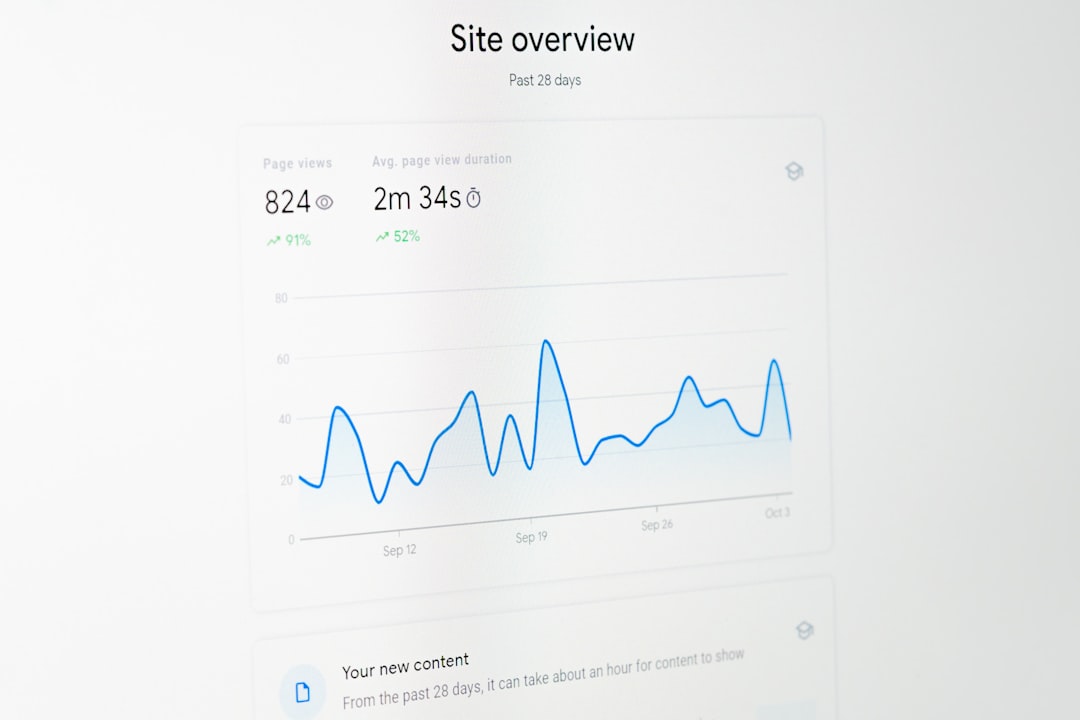
- Comprehensive reporting dashboards
- AppExchange integration marketplace
- Scalability for large brokerages
Large real estate firms benefit from Salesforce’s enterprise-level scalability. Detailed reporting helps leadership forecast revenue, measure agent performance, and identify bottlenecks in the deal process. While it may be more complex than other solutions, its power makes it suitable for high-volume operations.
6. Wise Agent
Wise Agent is a long-standing favorite among independent real estate agents. It focuses on relationship management and transaction organization, two areas critical to repeat business and referrals.
Key features:
- Contact management with detailed client profiles
- Automated drip campaigns
- Time-saving transaction checklists
- Integrated appointment scheduling
Its transaction management tools provide step-by-step checklists to ensure no document or deadline is missed. This reduces stress and errors, particularly during complex closings. For solo agents balancing multiple deals, such structure can be invaluable.
7. HubSpot CRM (With Real Estate Integrations)
HubSpot CRM offers a free entry-level option with powerful marketing tools. When integrated with real estate-specific apps, it becomes a cost-effective yet capable solution.
Benefits include:
- Free core CRM features
- Email tracking and templates
- Marketing automation add-ons
- Pipeline tracking and deal forecasting
HubSpot excels in inbound marketing. Agents who rely on content marketing, social media, and email newsletters can nurture leads effectively within one ecosystem. As business grows, paid upgrades unlock automation and deeper analytics.
How CRM Tools Help Close More Deals
A CRM is more than a digital address book. It acts as a centralized command center for the entire sales process.

Here’s how these tools directly impact closings:
- Faster Response Times: Automated alerts ensure new inquiries receive immediate attention.
- Consistent Follow-Ups: Drip campaigns nurture long-term prospects.
- Improved Organization: Deal stages are clearly tracked from initial contact to closing.
- Better Client Insights: Data about preferences and behavior allows personalized communication.
- Pipeline Visibility: Agents can forecast income more accurately.
Studies consistently show that consistent follow-up dramatically increases conversion rates. Many buyers and sellers choose the agent who remains top-of-mind—not necessarily the first one they contacted. CRM automation ensures consistent engagement without requiring constant manual effort.
How to Choose the Right CRM
Not every CRM suits every agent. Selecting the right platform depends on several factors:
- Team Size: Solo agents may prefer simpler systems, while brokerages require advanced reporting.
- Budget: Some CRMs offer free versions, while enterprise solutions demand significant investment.
- Technical Skill: Highly customizable platforms may require training.
- Lead Sources: Ensure compatibility with portals, websites, and marketing tools.
- Support and Training: Onboarding assistance can greatly reduce implementation headaches.
Agents should also consider long-term scalability. Switching CRMs later can be disruptive, so choosing a solution that can grow alongside the business is often wise.
Final Thoughts
Real estate success depends heavily on relationships, persistence, and timing. A modern CRM tool strengthens all three by ensuring prospects are nurtured consistently, conversations are tracked accurately, and opportunities are never overlooked. Whether an agent opts for a specialized real estate solution like Follow Up Boss or Wise Agent, or a customizable powerhouse like Salesforce or Zoho, the ultimate goal remains the same: convert more conversations into closings.
Adopting the right CRM is not just about managing contacts—it is about building a repeatable, scalable system that supports sustained growth in an increasingly competitive market.
Frequently Asked Questions (FAQ)
-
1. What is a real estate CRM?
A real estate CRM is a software platform that helps agents manage contacts, track deals, automate follow-ups, and organize communications with buyers and sellers. -
2. Do solo agents really need a CRM?
Yes. Even solo agents benefit from automated reminders, drip campaigns, and centralized contact management. A CRM prevents missed opportunities and enhances professionalism. -
3. How much does a real estate CRM cost?
Costs range from free basic plans to several hundred dollars per month for advanced or enterprise-level systems. Pricing depends on features, integrations, and team size. -
4. Can CRM software help generate leads?
Some platforms include built-in lead generation tools such as landing pages and IDX websites. Others integrate with marketing systems to capture and organize incoming leads. -
5. Is it difficult to switch from one CRM to another?
Switching can require data migration and training, but many platforms offer onboarding support. It is important to export contacts and review integrations before transitioning. -
6. What features should agents prioritize?
Essential features include automated follow-ups, pipeline tracking, email and text integration, and reporting dashboards. Additional features depend on individual business models.



4K Quality: What 4K Video Quality Means, How Resolution and Bitrate Affect It, and How to Get the Best 4K Results
The best 4K results come from a clean source, enough bitrate, a good codec, and a display that can actually…