


Buying, selling, or maintaining a property requires more than a quick walk-through and a hopeful glance at freshly painted walls. A thorough evaluation depends on the right tools—devices that can uncover hidden leaks, structural weaknesses, energy inefficiencies, and electrical hazards long before they become expensive surprises. Whether you are a property investor, homeowner, landlord, or aspiring home inspector, using the proper equipment can dramatically improve the accuracy and depth of your assessment.
TLDR: A careful property evaluation goes beyond surface appearances and relies on specialized inspection tools. Four essential tools include a moisture meter, thermal imaging camera, electrical tester, and laser distance measure. These devices help detect hidden water damage, insulation gaps, electrical risks, and inaccurate space measurements. Together, they provide a clearer, more reliable picture of a property’s true condition.
1. Moisture Meter: Detecting Hidden Water Damage
Water intrusion is one of the most common—and costly—problems in residential and commercial properties. Unfortunately, moisture issues often hide beneath surfaces, quietly damaging framing, drywall, and flooring before visible signs appear. A moisture meter is a compact yet powerful diagnostic tool that measures the level of moisture within building materials.
There are two primary types of moisture meters:
- Pin-type meters – These use two small probes inserted into the material to measure electrical resistance, which correlates with moisture levels.
- Pinless meters – These use electromagnetic sensors to scan large areas without causing surface damage.
Both styles offer unique advantages. Pin-type meters provide precise readings at specific depths, while pinless models are ideal for scanning large wall areas quickly.
Why this matters: Moisture is often the root cause of mold growth, wood rot, and foundation deterioration. Early detection can save thousands in repair costs and help prevent serious health risks associated with mold.
Where to use a moisture meter:
- Basement walls and floors
- Around windows and doors
- Under sinks and near plumbing fixtures
- Ceilings beneath bathrooms or laundry rooms
- Wooden decks and exterior siding
For property investors evaluating distressed homes or foreclosure properties, this tool is invaluable. Fresh paint may mask stains, but it cannot hide elevated moisture levels. A few quick readings can reveal whether cosmetic fixes are covering deeper structural issues.
2. Thermal Imaging Camera: Seeing Beyond the Surface
If a moisture meter detects what’s damp, a thermal imaging camera reveals temperature variations that the naked eye cannot see. These handheld cameras convert infrared radiation into visible images, highlighting hot and cold spots throughout a structure.
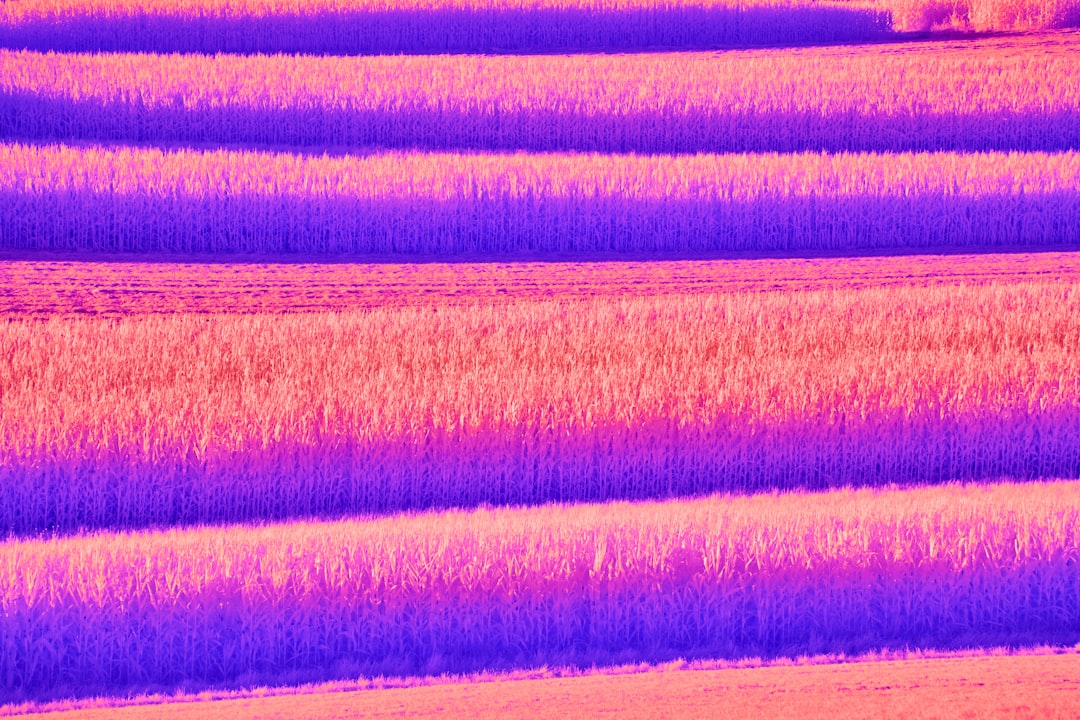
Thermal imaging is particularly valuable because temperature irregularities often signal hidden issues such as:
- Insulation gaps inside walls or attics
- Air leaks around doors, windows, and vents
- Electrical hot spots that could pose fire risks
- Hidden plumbing leaks behind drywall
For example, an inspector scanning a ceiling may notice a distinct cold patch. That anomaly could indicate water intrusion from a roof leak. Similarly, a warm area around a circuit panel might reveal overloaded wiring.
Another advantage of thermal imaging is its ability to perform non-invasive inspections. Instead of cutting into drywall to locate a problem, inspectors can narrow down the location first, minimizing disruption and repair costs.
In energy-conscious markets, thermal cameras are also used for energy audits. Poor insulation and drafty construction can significantly increase utility bills. Spotting these issues allows homeowners to make targeted upgrades that improve efficiency and comfort.
Keep in mind that while thermal cameras are highly informative, they require proper interpretation. Temperature differences do not always indicate damage, so experience and complementary tools (such as moisture meters) are essential for verification.
3. Electrical Tester: Ensuring Safety and Compliance
Electrical problems pose serious safety hazards, from shock risks to potential fires. A reliable electrical tester is therefore a must-have tool for anyone evaluating property conditions.
Several types of electrical testers serve different purposes:
- Non-contact voltage testers – Detect live wires without direct contact.
- Outlet testers – Check for proper wiring and grounding in receptacles.
- Multimeters – Measure voltage, current, and resistance for more advanced diagnostics.
These tools help identify problems such as reversed polarity, faulty grounding, overloaded circuits, and malfunctioning breakers. Even minor wiring errors can compromise safety and violate building codes.
Why is this especially important during property transactions? Sellers may not be aware of outdated or DIY electrical modifications. An inspection with an electrical tester can reveal whether upgrades were completed properly or if further professional evaluation is necessary.
Signs that warrant thorough electrical testing include:
- Flickering lights
- Warm or discolored outlets
- Frequent breaker trips
- Lack of GFCI outlets in kitchens and bathrooms
For rental property owners, routine electrical testing is also part of responsible maintenance. Ensuring safe wiring not only protects tenants but also reduces liability risks.
Although electrical testers are relatively affordable, they provide immense value in detecting issues that could otherwise remain hidden until they cause serious damage.
4. Laser Distance Measure: Accurate Space Evaluation
Accurate measurements are fundamental to property evaluation. Square footage determines market value, renovation feasibility, rental pricing, and compliance with listing regulations. A laser distance measure offers precise, quick measurements without the limitations of traditional tape measures.

With the push of a button, a laser measure calculates distance by emitting a laser beam that reflects off a surface. Many models also compute:
- Area
- Volume
- Indirect height (using the Pythagorean method)
This is especially helpful in large rooms, vaulted ceilings, stairwells, and exterior lots where tape measurements may be impractical or inaccurate.
Why accuracy matters:
- Overstated square footage can create legal disputes during real estate transactions.
- Understated size may reduce a property’s market value.
- Renovation projects rely on precise dimensions for material estimates.
Investors analyzing potential acquisitions can quickly verify whether listed dimensions align with reality. Remodelers and contractors can assess whether a property layout will accommodate new additions or structural changes.
Laser measuring tools also improve efficiency. Instead of juggling a tape measure alone or requiring a second person for long spans, one individual can measure entire rooms in minutes.
Bringing It All Together: A Smarter Evaluation Strategy
Each of these four tools serves a distinct purpose, but their true power emerges when used together. A moisture meter confirms water intrusion. A thermal camera reveals hidden temperature anomalies. An electrical tester ensures functional safety. A laser measure validates dimensions and planning accuracy.
When combined, they create a multi-layered diagnostic approach to property evaluation.
Consider this example:
- A thermal imaging scan uncovers a suspicious cold patch on a wall.
- A moisture meter confirms elevated moisture content in that area.
- Further examination reveals a plumbing issue behind the drywall.
Without these tools, the defect may have gone unnoticed until visible damage appeared.
Final Thoughts
Surface appearances can be deceptive. Fresh paint, new flooring, and modern fixtures may enhance visual appeal, but they do not guarantee structural integrity or system reliability. Effective property evaluation demands a deeper investigation supported by reliable inspection tools.
Equipping yourself with a moisture meter, thermal imaging camera, electrical tester, and laser distance measure transforms the inspection process from guesswork into informed analysis. These tools help uncover hidden risks, estimate repair costs accurately, improve negotiation leverage, and ensure long-term safety.
Whether you are assessing your own home, evaluating an investment opportunity, or conducting professional inspections, the right tools make all the difference. In real estate, knowledge is leverage—and with these four essential devices in hand, you are far better prepared to understand the true condition of any property.



BANT vs. MEDDIC: Salesforce vs. HubSpot for Improving B2B Lead Qualification
Use BANT in HubSpot when speed and volume matter; use MEDDIC in Salesforce when deal quality, complexity, and forecast accuracy…