


Smart homes are no longer futuristic concepts reserved for luxury properties or tech enthusiasts. Today, connected lighting, intelligent thermostats, app-controlled security systems, and voice assistants are becoming standard features in modern households. At the center of this transformation are smart home management platforms—the digital brains that unify devices, automate routines, and give homeowners complete control over their environments. These platforms are reshaping how we live, interact with our homes, and manage energy, safety, and comfort.
TLDR: Smart home management platforms act as centralized hubs that connect and control devices like lights, thermostats, cameras, and appliances. They improve convenience, security, and energy efficiency by enabling automation and real-time monitoring. With growing compatibility standards and AI-driven features, these systems are becoming easier to use and more intelligent. As adoption increases, they are redefining everyday living through seamless connectivity.
What Is a Smart Home Management Platform?
A smart home management platform is a centralized software ecosystem that connects, monitors, and automates multiple smart devices within a home. Rather than juggling separate apps for each product, homeowners can operate everything from a single interface—typically through a smartphone app, tablet, wall panel, or voice assistant.
These platforms integrate devices such as:
- Lighting systems
- Smart thermostats
- Security cameras and doorbells
- Locks and sensors
- Entertainment systems
- Appliances and energy monitors
The real strength of these platforms lies not just in control, but in automation. Instead of manually adjusting settings, homeowners can create routines that align with their daily habits.
The Core Features That Power Connected Living
1. Centralized Control
A single dashboard offers visibility across all connected devices. This unified approach eliminates fragmentation and simplifies daily interaction with technology. Users can check whether doors are locked, lights are off, or the garage is closed from virtually anywhere.
2. Automation and Routines
Automation allows devices to work together based on triggers such as time schedules, location, or sensor input.
Examples include:
- Lights turning on at sunset automatically.
- The thermostat lowering when everyone leaves home.
- Security cameras activating when motion is detected.
- Coffee machines starting when an alarm rings.
This orchestration enhances not only convenience but also efficiency.
3. Voice and AI Integration
Many platforms integrate with voice assistants, enabling hands-free commands. Beyond simple voice control, artificial intelligence is increasingly used to learn patterns and suggest optimizations. For instance, platforms may recommend energy-saving schedules or detect unusual activity patterns.
4. Remote Access and Real-Time Notifications
Whether at work or on vacation, homeowners can monitor and control their property remotely. Push notifications alert users to suspicious activity, water leaks, smoke detection, or doors left unlocked.
Energy Efficiency and Sustainability Benefits
One of the most compelling advantages of smart home management platforms is improved energy management. Connected homes can significantly reduce energy consumption through data-driven insights and automation.
Key energy-saving capabilities include:
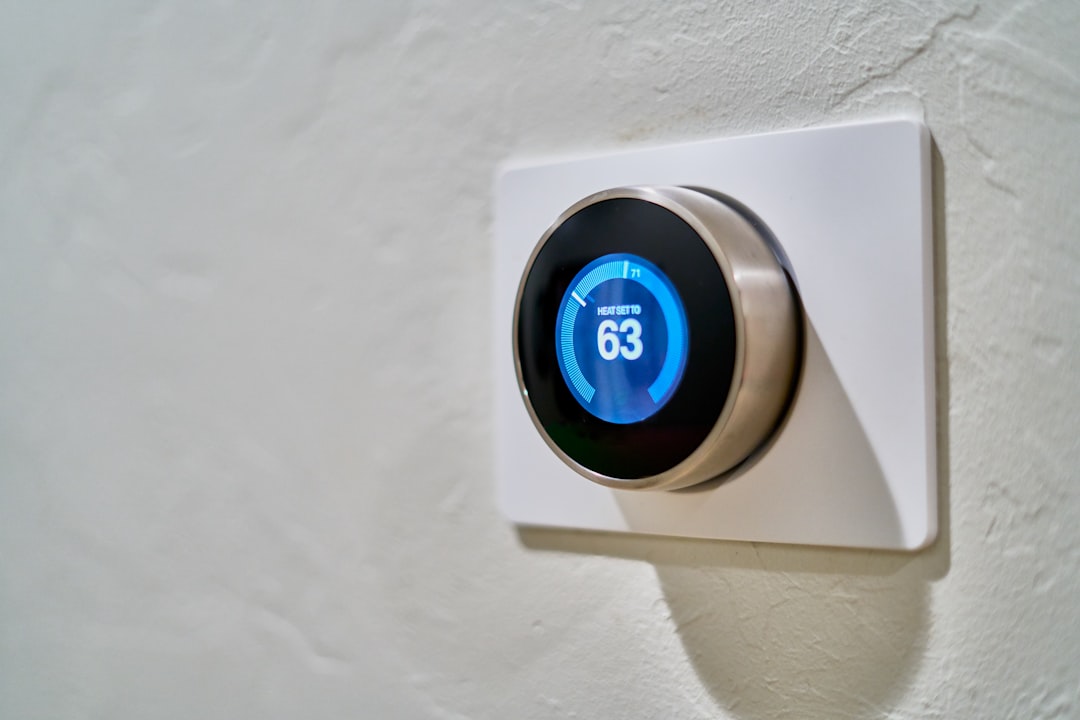
- Smart thermostats that adjust temperature based on occupancy.
- Smart lighting systems that turn off automatically in empty rooms.
- Energy monitoring dashboards that reveal real-time electricity usage.
- Peak hour scheduling to optimize appliance usage when rates are lower.
Over time, the data gathered by these systems helps homeowners understand consumption patterns and identify inefficiencies. This not only lowers utility bills but also supports more sustainable living.
Enhanced Security and Peace of Mind
Safety remains a major driver behind smart home adoption. Management platforms enhance security by connecting surveillance, sensors, and access controls into a coordinated system.
Modern security integration allows:
- Live streaming from cameras through a single app.
- Instant alerts when motion or unusual activity is detected.
- Remote locking and unlocking of doors.
- Integration with alarms and emergency responders.
Some platforms use AI-powered analytics to differentiate between a passing car, a wandering pet, and a potential intruder—reducing false alarms while maintaining vigilance.
Additionally, features like geofencing can automatically arm or disarm security systems when residents leave or return home, eliminating the risk of forgetting to set alarms.
Interoperability: The Key to Seamless Integration
One of the biggest historical challenges in home automation has been compatibility. Early smart devices often operated in silos, requiring separate hubs or ecosystems. Modern smart home management platforms are addressing this issue through improved interoperability standards.
New universal communication protocols enable devices from different manufacturers to work together more smoothly. This means homeowners can choose products based on preference rather than brand lock-in.
Benefits of strong interoperability include:
- Greater flexibility in selecting devices.
- Easier system expansion over time.
- Reduced need for multiple hubs.
- Simplified troubleshooting and updates.
This shift toward open ecosystems is accelerating adoption and making connected living more accessible.
User Experience and Interface Design
For smart home platforms to succeed, they must be intuitive. A complicated interface undermines convenience. The most effective platforms prioritize clean dashboards, visual clarity, and easy customization.
Modern design elements include:
- Color-coded device categories.
- Drag-and-drop automation builders.
- Visual floor plan mapping for device placement.
- Customizable quick-action buttons.
Simplified user interfaces encourage broader adoption among individuals who may not consider themselves technically inclined. Increasingly, setup processes are guided through step-by-step instructions, often assisted by AI recommendations.

Privacy and Data Security Considerations
While smart home platforms offer convenience and intelligence, they also collect large amounts of data. Usage patterns, video footage, voice recordings, and occupancy details are sensitive pieces of information.
Responsible platforms implement:
- End-to-end encryption
- Multi-factor authentication
- Regular security updates
- Transparent data policies
Homeowners should also strengthen their networks with secure Wi-Fi configurations, strong passwords, and firmware updates. As platforms evolve, privacy-first design principles are becoming increasingly important in maintaining consumer trust.
The Role of Artificial Intelligence and Predictive Automation
The next frontier in connected living lies in predictive intelligence. Rather than simply responding to commands, smart home management platforms are beginning to anticipate needs.
For example:
- A system might preheat rooms based on historical morning routines.
- Lighting may adjust dynamically based on natural sunlight levels.
- Security systems can flag behavior anomalies in real time.
Machine learning algorithms continuously analyze user behavior to refine performance. Over time, the home becomes more personalized and responsive, reducing the need for manual adjustment.
Scalability: From Apartments to Large Estates
Smart home platforms are highly scalable, making them suitable for various living environments. A small apartment may start with smart lighting and a thermostat. Over time, additional layers—security systems, smart appliances, irrigation controls—can be added seamlessly.
Larger properties benefit even more significantly. Multi-zone climate control, integrated surveillance networks, and centralized media management all operate efficiently under a unified platform.
This scalability ensures that investment in a smart home platform remains future-proof. As new technologies emerge, compatible devices can typically be incorporated into the existing ecosystem.
The Future of Connected Living
The evolution of smart home management platforms is far from complete. Future advancements are expected to include deeper integration with renewable energy sources such as solar panels and home battery systems. Homes may automatically store, distribute, and optimize energy usage based on predictive analytics.
Additionally, health and wellness monitoring features—like air quality tracking, circadian lighting adjustments, and sleep-supportive temperature automation—are likely to gain prominence.
We are also moving toward greater contextual awareness. Homes may recognize individual family members through device proximity or biometrics, automatically adjusting settings according to personal preferences.
Conclusion
Smart home management platforms are transforming houses into responsive, intelligent environments. By consolidating device control, enabling automation, improving energy efficiency, and enhancing security, these systems redefine what it means to feel comfortable and in control at home.
As interoperability improves and AI capabilities expand, connected living will become less about operating gadgets and more about experiencing seamless convenience. The smart home is no longer just a collection of devices—it is an integrated ecosystem designed to simplify daily life, improve sustainability, and provide peace of mind. In this new era of intelligent living, the platform is the foundation that makes everything work together effortlessly.



WP-Config.php: WordPress wp-config.php vs .htaccess for Managing Site Configuration
Use wp-config.php for WordPress settings, secrets, and core behavior; use .htaccess for Apache server rules like redirects, pretty links, and…