

In SaaS, shipping a new feature is only half the work. The other half is making sure users understand what changed, why it matters, and how to use it with confidence. Effective feature communication reduces confusion, increases adoption, supports retention, and shows customers that the product is evolving in a thoughtful, reliable way.
TLDR: Companies communicate new SaaS features effectively when they connect each announcement to a clear user benefit, choose the right channels, and tailor messages to the right audience. The best approach combines in-app guidance, email, release notes, help documentation, and customer-facing teams. Communication should be timely, practical, and measurable, with follow-up based on user behavior and feedback.
Start with the user problem, not the feature
A common mistake in SaaS communication is leading with technical details. While product teams may be excited about new capabilities, users usually care about outcomes. They want to know whether the update will save time, reduce errors, improve collaboration, increase visibility, or help them complete an existing task more easily.
Instead of saying, “We added advanced workflow segmentation,” a stronger message might be, “You can now route approvals to the right team automatically, reducing manual handoffs.” The second version explains the practical value and gives users a reason to pay attention.
Before announcing any feature, companies should answer three questions:
- Who is this feature for? Identify the specific user roles, plans, industries, or workflows affected.
- What problem does it solve? Connect the feature to a clear pain point or business need.
- What action should users take? Tell them whether they should enable it, try it, read more, or contact support.
This user-first framing makes communication more relevant and helps avoid announcements that feel like internal product updates rather than customer value statements.
Segment announcements instead of broadcasting everything
Not every feature matters to every user. A company that sends every update to its entire customer base trains users to ignore announcements. Effective SaaS teams segment communications so that users receive information relevant to their role, plan, usage pattern, and maturity level.
For example, an administrator may need to know about permission changes, while an end user may only need a brief in-app tooltip explaining a new button. Enterprise customers may require advance notice, security details, and documentation, while small business users may prefer a concise email with a short walkthrough.
Useful segmentation criteria include:
- User role: Admins, managers, contributors, developers, finance users, or executives.
- Product usage: Active users of the affected area versus users who have never used it.
- Account type: Free, trial, professional, enterprise, or custom contract customers.
- Lifecycle stage: New customers, onboarding users, long-term customers, or at-risk accounts.
- Geography and compliance needs: Especially important for regulated industries and global products.
Segmentation makes announcements feel more personal and respectful. It also improves engagement because users receive fewer, better messages.
Use multiple channels with a clear purpose
No single communication channel is enough. Users have different habits, and feature complexity varies. The most effective companies use a coordinated mix of channels, each with a defined role.
- In-app messages: Best for timely, contextual guidance when users are already inside the product.
- Email announcements: Useful for broader updates, benefit-focused explanations, and reaching inactive users.
- Release notes: Important for transparency, technical accuracy, and users who track product changes closely.
- Help center articles: Necessary for step-by-step instructions, troubleshooting, and evergreen reference material.
- Webinars and demos: Valuable for more complex features or updates that change workflows.
- Customer success outreach: Appropriate for high-value accounts, strategic changes, or features tied to business goals.
The key is consistency. If an email says a feature is available, the help center should explain how to use it, the in-app experience should point users toward it, and customer-facing teams should understand the message. Fragmented communication damages trust.
Time the announcement carefully
Timing affects how users perceive a feature. Announcing too early can create frustration if the feature is not ready. Announcing too late can cause users to miss value or discover changes without context. A serious SaaS communication plan should align messaging with the release stage.
For beta features, companies should be transparent about availability, limitations, and the type of feedback they want. For general releases, communication should be more confident and action-oriented. For major changes that affect workflows, users may need advance notice, migration guidance, and reminders before the change becomes mandatory.
A practical timeline may look like this:
- Internal enablement: Train support, sales, and customer success before customers hear about the change.
- Early access communication: Invite selected customers or segments to test the feature.
- Launch announcement: Share the benefit, availability, and first action users should take.
- Post-launch education: Provide tips, examples, tutorials, and answers to common questions.
- Adoption follow-up: Reach out to users who have not tried the feature or who may need help.
This staged approach prevents surprises and creates a more controlled customer experience.
Make in-app communication contextual and restrained
In-app communication is one of the strongest tools for SaaS feature adoption because it reaches users at the moment of use. However, it must be handled carefully. Too many pop-ups, banners, or tours can interrupt work and create fatigue.
Good in-app messaging is contextual. It appears where the feature matters, explains the value briefly, and gives users a simple next step. A tooltip near a new control may be more effective than a full-screen announcement. A checklist may help new users adopt a workflow, while a small banner may be enough for experienced users.
Companies should also allow users to dismiss or postpone messages. Respecting user control is important for trust. If the feature is important, the reminder can return later in a less intrusive way.
Create documentation that supports real usage
Announcements generate awareness, but documentation supports adoption. A well-written help article should not simply describe what a feature is. It should explain how and when to use it, include prerequisites, show examples, and clarify limitations.
Strong documentation often includes:
- A short overview explaining the purpose of the feature.
- Step-by-step instructions with screenshots or short videos.
- Use cases that help users recognize whether the feature applies to them.
- Permissions and plan requirements so users know whether they have access.
- Known limitations to prevent unrealistic expectations.
- Related articles for users who need deeper guidance.
Documentation should be available at launch, not days later. If users click “Learn more” and find incomplete or unclear information, confidence declines quickly.

Equip customer-facing teams before launch
Support, customer success, sales, and account management teams are critical to feature communication. Customers often ask them for clarification, especially when a feature affects workflows, pricing, security, integrations, or reporting.
Internal enablement should include a clear summary of the feature, target audience, positioning, common objections, setup instructions, and escalation paths. Teams should know not only what has changed, but also why it changed and how to explain it in customer language.
For important releases, companies can prepare:
- Internal FAQs with approved answers to expected questions.
- Talk tracks for customer success and sales conversations.
- Demo scripts that show practical use cases.
- Support macros for consistent and efficient responses.
- Feedback channels so frontline teams can report confusion or issues quickly.
This preparation reduces inconsistent messaging and helps customers receive confident answers from every part of the company.
Be transparent about limitations and change impact
Trustworthy communication does not exaggerate. Users can usually tell when a feature announcement overpromises. If a new capability has constraints, limited availability, plan restrictions, or known edge cases, companies should communicate them clearly.
This is especially important for features involving data, automation, permissions, billing, integrations, or compliance. Users need to understand how the update may affect existing processes. If there are risks or required actions, the communication should be direct and specific.
Transparency may feel less promotional, but it builds credibility. A restrained and accurate announcement is more valuable than a dramatic message that creates confusion or disappointment.
Measure adoption, not just announcement performance
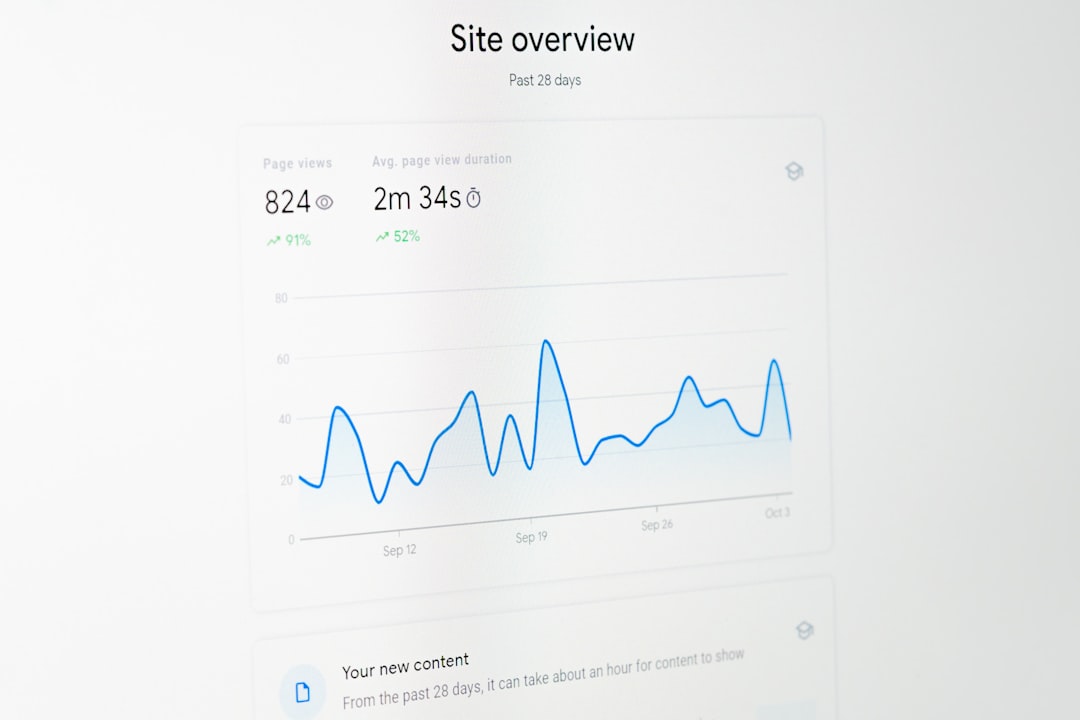
Open rates and click rates are useful, but they do not prove that users adopted a feature. Effective SaaS companies measure whether communication led to meaningful behavior. Did users enable the feature? Did they complete the workflow? Did support tickets decrease? Did the feature improve retention, expansion, or customer satisfaction?
Relevant metrics may include:
- Feature activation rate: The percentage of eligible users who try or enable the feature.
- Repeat usage: Whether users return to the feature after the first interaction.
- Time to adoption: How long it takes users to begin using it after launch.
- Support volume: The number and type of questions related to the release.
- User feedback: Qualitative responses from surveys, interviews, and account teams.
- Business impact: Retention, conversion, expansion, or productivity improvements.
If adoption is lower than expected, the issue may not be the feature itself. Users may not understand it, may not see the value, or may need better guidance inside the product.
Follow up after launch
A launch announcement should not be the end of communication. Many users miss the first message, and others need time before a feature becomes relevant. Follow-up communication can increase adoption significantly when it is based on user behavior.
For example, users who clicked the announcement but did not activate the feature can receive a practical tutorial. Users who activated it once but did not return can receive an example use case. Power users can be invited to share feedback or join a webinar. Administrators can receive reports showing which teams have adopted the feature.
Follow-up should be helpful, not repetitive. The tone should remain focused on enabling success rather than pressuring users to engage.
Use feedback to improve both the feature and the message
Feature communication is not only a marketing activity. It is a feedback loop. Questions, objections, low adoption, and user comments can reveal whether the feature is intuitive, whether the positioning is clear, and whether additional product work is needed.
Companies should collect feedback from multiple sources, including support tickets, customer success notes, product analytics, surveys, community discussions, and user interviews. Patterns should be shared with product, marketing, documentation, and leadership teams.
Sometimes the communication needs improvement. Other times the feature needs clearer onboarding, better labels, simpler configuration, or expanded functionality. Mature SaaS companies treat launch communication as part of the product experience, not as a separate announcement task.
Maintain a consistent product communication standard
Over time, users form expectations about how a company communicates. If updates are clear, relevant, and honest, customers are more likely to trust future announcements. If messages are vague, exaggerated, or poorly timed, users become skeptical.
A reliable standard should define how releases are categorized, which channels are used for each type of update, who approves messaging, how documentation is prepared, and how results are measured. This creates consistency across teams and prevents rushed, uneven announcements.
For minor enhancements, a release note and small in-app cue may be enough. For major workflow changes, users may need advance notice, direct communication, training, and migration support. Matching the communication effort to the impact of the change is essential.
Conclusion
Companies communicate new SaaS features effectively when they treat communication as a strategic part of the product lifecycle. The goal is not simply to announce that something has shipped. The goal is to help the right users understand the value, take the right action, and succeed with the new capability.
The most trustworthy approach is clear, segmented, timely, and honest. It combines benefit-led messaging, contextual in-app guidance, strong documentation, trained customer-facing teams, and measurement after launch. When done well, feature communication strengthens adoption, reduces friction, and reinforces customer confidence in the product’s direction.


Email Pitch Sample: Lavender vs Regie.ai and Other AI Tools for Writing Personalized Sales Emails
Lavender is usually the better pick for improving one sales email at a time, while Regie.ai is stronger for building…