


Modern businesses compete not only on product quality and price, but also on their ability to place the right goods in the right location at the right time. This discipline is often described as supply logic: the structured way companies plan inventory, manage distribution, respond to demand, and control operational risk. When it is done well, customers experience reliable availability while the business avoids excessive stock, wasted capital, and unnecessary logistics costs.
TLDR: Supply logic is the decision framework businesses use to balance inventory, demand, warehousing, and distribution. It helps companies reduce shortages, prevent overstocking, and move products more efficiently through the supply chain. Strong supply logic depends on accurate data, disciplined forecasting, flexible distribution networks, and continuous performance measurement.
What Supply Logic Means in Practice
At its core, supply logic is about making decisions under uncertainty. Customer demand changes, suppliers face delays, transportation costs fluctuate, and market conditions can shift quickly. Businesses use supply logic to answer practical questions: How much stock should we hold? Where should inventory be stored? When should we reorder? Which distribution route is most efficient?
This logic connects several operational areas that are sometimes managed separately: purchasing, production planning, warehousing, transportation, sales forecasting, and customer service. When these functions operate in isolation, businesses often suffer from duplicated stock, late deliveries, or poor visibility. When they are connected through a clear supply strategy, the organization can make faster and more consistent decisions.
The Inventory Balancing Act
Inventory is both an asset and a cost. Holding stock allows a business to serve customers quickly, but it also ties up cash, occupies storage space, and creates risk if products expire, become obsolete, or lose value. The central challenge is to maintain enough inventory to support sales without carrying more than necessary.
Businesses commonly classify inventory into categories to manage it more effectively:
- Cycle stock: the regular inventory used to satisfy expected demand between replenishment orders.
- Safety stock: extra inventory held to protect against uncertainty, such as supplier delays or demand spikes.
- Seasonal stock: inventory built up before predictable high-demand periods, such as holidays or annual industry cycles.
- Obsolete or slow-moving stock: products that no longer sell quickly and require special attention to reduce financial loss.
The best inventory policies are not based on intuition alone. They rely on data such as sales history, lead times, supplier reliability, margin, demand variability, and service-level targets. A high-margin product with unpredictable demand may justify more safety stock, while a low-margin item with stable demand may be managed with leaner inventory levels.
Forecasting Demand with Discipline
Demand forecasting is one of the most important components of supply logic. It uses historical sales, market signals, promotions, seasonality, and external factors to estimate future demand. Forecasts are never perfect, but disciplined forecasting reduces guesswork and gives managers a stronger foundation for purchasing and distribution decisions.
Effective businesses often combine quantitative methods with human judgment. Data models may identify patterns in past orders, while sales teams may provide insight into upcoming customer contracts, market shifts, or promotional campaigns. The most reliable forecasts are reviewed regularly and adjusted when new information becomes available.
However, companies must be cautious about overreacting to short-term changes. A temporary sales spike may not justify a large purchasing increase if it is caused by a one-time event. Similarly, a brief slowdown may not indicate a lasting decline. Good supply logic separates signal from noise and turns uncertainty into manageable risk.
Reorder Points and Lead Times
A key operating rule in inventory management is the reorder point: the inventory level at which a company should place a new order. This point depends heavily on lead time, which is the time between placing an order and receiving usable stock.
For example, if a company sells 100 units per week and a supplier takes three weeks to deliver, the business needs at least 300 units to cover expected demand during that lead time. If demand or supplier performance is uncertain, the company may add safety stock. This prevents stockouts but must be calibrated carefully to avoid excess inventory.
Lead time management is especially important in global supply chains. International sourcing may reduce unit costs, but it can increase delivery time, customs complexity, and exposure to disruption. Many businesses now evaluate suppliers not only by price, but also by dependability, responsiveness, and geographic risk.
Distribution Network Design
Inventory decisions cannot be separated from distribution strategy. A company must decide where goods should be stored and how they should move to customers, stores, production sites, or regional partners. A centralized warehouse may reduce storage costs and improve control, but it can increase delivery times to distant markets. A decentralized network may improve speed but requires more inventory across multiple locations.
Image not found in postmetaDistribution design often involves trade-offs among cost, speed, reliability, and flexibility. Businesses evaluate factors such as customer density, transportation rates, order frequency, delivery promises, warehouse capacity, and labor availability. In some industries, fast delivery is a competitive necessity; in others, predictable and cost-efficient replenishment matters more than speed.
Companies also use different distribution models depending on their products and customers:
- Direct shipping: products move from supplier or factory directly to the customer, reducing handling but requiring strong coordination.
- Hub and spoke networks: goods move through central hubs before reaching regional destinations, improving consolidation.
- Cross docking: inbound goods are quickly transferred to outbound vehicles with minimal storage time.
- Store or branch replenishment: inventory is allocated from warehouses to retail or service locations based on demand patterns.
The Role of Technology and Visibility
Modern supply logic depends heavily on visibility. Businesses need to know what inventory they have, where it is located, what has been committed to customers, and what is currently in transit. Without accurate visibility, even sophisticated planning can fail.
Enterprise resource planning systems, warehouse management systems, transportation management platforms, and demand planning tools help companies coordinate decisions. Increasingly, businesses also use analytics and automation to detect exceptions, recommend replenishment orders, optimize delivery routes, and monitor supplier performance.
Still, technology alone does not create good supply logic. Data must be accurate, responsibilities must be clear, and employees must trust the process. If warehouse records are unreliable or sales forecasts are inflated, the system will produce poor recommendations. The quality of supply decisions is only as strong as the quality of the information behind them.
Reducing Risk Without Creating Waste
Supply chains face many risks: supplier failure, transport delays, natural disasters, labor shortages, regulatory changes, cyber incidents, and sudden demand swings. Businesses use supply logic to decide which risks require protection and which can be accepted.
Common risk-reduction methods include qualifying backup suppliers, holding strategic safety stock, diversifying transportation options, and creating contingency plans for critical products. The goal is not to eliminate all risk, which would be unrealistic and expensive. The goal is to make the business resilient enough to continue serving customers during disruption.
Measuring Performance
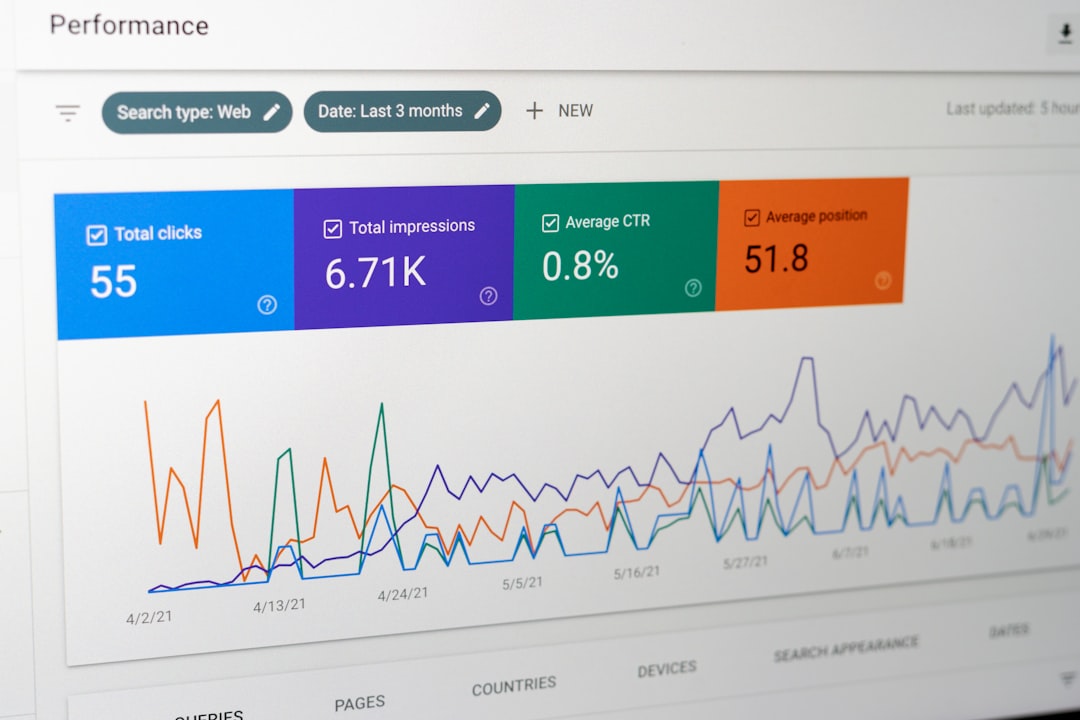
Reliable supply logic is measured through performance indicators. These metrics help leaders understand whether inventory and distribution decisions are supporting business goals.
- Inventory turnover: how quickly inventory is sold and replaced.
- Fill rate: the percentage of customer demand fulfilled from available stock.
- On-time delivery: the share of orders delivered as promised.
- Carrying cost: the cost of holding inventory, including storage, insurance, shrinkage, and capital.
- Forecast accuracy: how closely predicted demand matches actual demand.
No single metric tells the full story. A very high fill rate may look positive, but if it requires excessive inventory, profitability may suffer. High inventory turnover may indicate efficiency, but if customers frequently encounter stockouts, the business may be cutting too deeply. Serious supply management requires balanced measurement.
Conclusion
Supply logic is the practical intelligence behind inventory and distribution decisions. It helps businesses balance service, cost, cash flow, and risk in a changing environment. Companies that invest in accurate data, disciplined forecasting, thoughtful network design, and continuous improvement are better positioned to serve customers reliably and protect profitability.
In an economy where expectations are high and disruptions are common, supply logic is no longer a back-office concern. It is a strategic capability. Businesses that understand and refine it can operate with greater confidence, respond faster to change, and build a more dependable foundation for long-term growth.


Why Is a VPN Important When Working Remotely? VPN vs ZTNA and Secure Remote Access Alternatives
A VPN matters for remote work because it encrypts traffic, hides risky connections, and gives employees safer access to company…