

Keyword data sits at the heart of modern search marketing. From search engine optimization (SEO) to pay-per-click (PPC) campaigns, marketers rely on keyword metrics to estimate demand, understand audience intent, and forecast traffic. Yet behind every search volume number and competition score lies a complex web of estimates, sampling models, and aggregations. The result is that keyword data is incredibly useful—but rarely perfectly accurate.
TLDR: Keyword data is directional, not definitive. Search volume, competition, and cost-per-click metrics are based on estimates, sampling, and modeling rather than exact counts. Marketers should treat keyword data as a guide for trends and comparisons—not as precise measurements. Smart strategy combines keyword tools with real performance data and audience insights.
Understanding how accurate keyword data really is requires a closer look at where it comes from, how it’s processed, and what its limitations mean for strategic planning.
Where Keyword Data Comes From
Most keyword data originates from search engines, particularly Google. However, marketers rarely access raw data directly. Instead, they use third-party SEO tools or advertising platforms that aggregate and model search behavior.
The most common sources include:
- Google Ads Keyword Planner – Designed primarily for advertisers, not organic SEO professionals.
- Third-party SEO tools – Platforms that gather clickstream data and build proprietary estimation models.
- Search Console data – Direct performance metrics from a specific website.
- Clickstream panels – Aggregated anonymized browsing data from opted-in users.

Each source has strengths and weaknesses. For example, Keyword Planner often groups similar keywords together and provides ranges instead of exact figures. Third-party tools rely on modeling algorithms that extrapolate broad trends from sample datasets. This means the numbers marketers see are estimates—not comprehensive datasets of every search conducted.
Why Search Volume Is an Estimate
Search volume is one of the most relied-upon keyword metrics. It estimates how many times a specific query is searched within a given timeframe, typically monthly. However, several factors limit its precision:
- Sampling: Tools analyze subsets of total searches, not every individual query.
- Aggregation: Similar phrases may be grouped together.
- Averaging: Monthly search volume is often averaged across 12 months, masking seasonality.
- Location variations: Results can change significantly by country, city, or device.
A keyword showing 10,000 monthly searches might actually fluctuate between 6,000 and 14,000 depending on time of year or trending interest. For seasonal industries, this averaging effect can be particularly misleading.
Therefore, marketers should interpret search volume directionally. A keyword with 50,000 searches likely has more potential traffic than one with 500—but neither figure should be treated as exact.
Competition Metrics: Relative, Not Absolute
Most tools provide a keyword difficulty or competition score. These metrics attempt to quantify how hard it would be to rank organically for a term. However, each platform calculates this differently.
Some common calculation factors include:
- Number of referring domains to top-ranking pages
- Domain authority or domain rating
- Content length and optimization
- Click-through rate potential
Because the formulas differ, a keyword might have a difficulty score of 40 in one tool and 65 in another. Neither is inherently “correct.” They are relative estimates within each platform’s own scale.
Marketers should avoid comparing difficulty scores across different tools. Instead, they should use one consistent system for comparative analysis.
Click Data and Zero-Click Searches
A growing issue in keyword accuracy is the rise of zero-click searches. Many Google queries are answered directly in search results through featured snippets, knowledge panels, and AI summaries.

This creates a discrepancy between search volume and actual traffic potential. A keyword may show 20,000 searches per month but generate far fewer clicks to websites.
Tools attempt to estimate click potential, but these metrics also rely on modeling and assumptions. For informational queries such as “weather today” or “definition of marketing,” traffic may never leave the search engine.
This highlights a key reality: search volume does not equal website traffic.
The Impact of User Intent on Accuracy
Another complexity in keyword data is search intent. A single phrase can mean different things depending on user context.
For example:
- “Apple” could refer to the fruit or the technology brand.
- “Best shoes” could imply athletic footwear, luxury brands, or budget options.
Tools attempt to interpret intent by analyzing the current search results, but this can shift quickly over time. A keyword’s ranking landscape today may look very different in six months.
Additionally, personalization and location-based results mean that two users searching the same keyword may see entirely different outcomes.
Seasonality and Trend Volatility
Keyword data often obscures short-term trends. Since many tools average monthly volume across the year, rapid spikes may not appear clearly in standard reports.
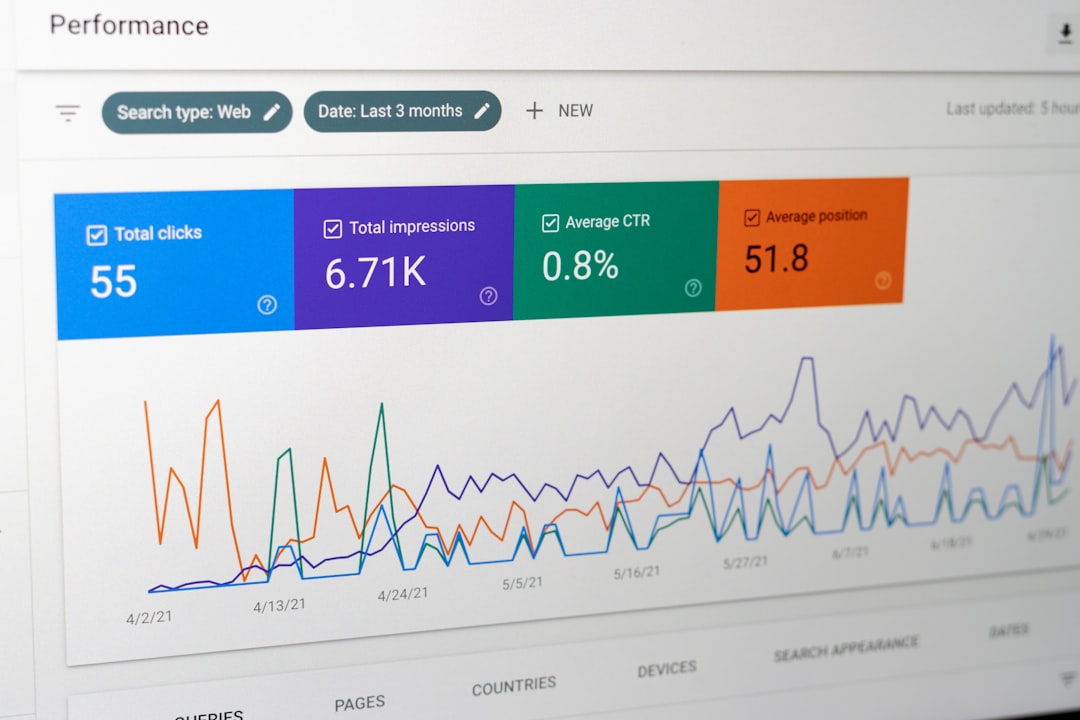
Industries like retail, travel, sports, and entertainment are particularly vulnerable to misinterpretation if marketers rely strictly on averaged search volume data.
To mitigate this issue, marketers should:
- Use trend analysis tools that show real-time data
- Compare year-over-year seasonal performance
- Monitor breaking industry news and cultural events
Momentum sometimes matters more than static volume numbers.
Long-Tail Keywords and Data Gaps
Long-tail keywords—specific, lower-volume phrases—often display minimal or zero search volume in tools. However, collectively these queries can drive significant traffic.
This happens because:
- Many searches are unique and occur infrequently.
- Tools may not collect sufficient data to model rare queries.
- Privacy thresholds may suppress low-volume reporting.
Ironically, long-tail keywords often convert at higher rates due to clearer intent. Marketers who ignore them because of low reported volume may miss valuable opportunities.
Advertiser Data vs. Organic Data
Keyword tools originally evolved for paid advertising. As a result, many datasets are advertiser-focused rather than SEO-focused.
For example:
- Competition metrics may reflect advertiser bidding levels rather than organic ranking competition.
- Cost-per-click (CPC) reflects commercial value, not keyword difficulty.
- Volume ranges may widen for accounts without active ad spend.
Organic marketers interpreting PPC data without context may misalign strategy. A high CPC suggests commercial intent—but it does not guarantee organic ranking challenges.
How Marketers Should Use Keyword Data
Given these limitations, keyword data should be treated as a strategic compass—not a GPS with exact coordinates.
Effective marketers use keyword data to:
- Compare relative opportunities
- Identify thematic clusters
- Detect emerging trends
- Understand audience language
- Prioritize content efforts
They combine this data with:
- Actual website performance metrics
- Conversion data
- Audience research
- Customer interviews
- Search Console insights
By integrating multiple sources, marketers reduce the risk of relying too heavily on imperfect estimates.
Common Misconceptions About Keyword Accuracy
- Myth: Search volume equals guaranteed traffic.
Reality: Rankings, competition, click-through rates, and SERP features all influence outcomes. - Myth: Keyword tools provide exact numbers.
Reality: Most metrics are modeled approximations. - Myth: High difficulty scores mean “unrankable.”
Reality: Niche positioning, superior content, and backlinks can overcome competition. - Myth: Low-volume keywords are irrelevant.
Reality: Long-tail terms often drive high-intent traffic and conversions.
The Future of Keyword Data
As privacy regulations expand and browsers restrict third-party tracking, keyword data may become even more aggregated and modeled. Additionally, AI-powered search results are altering how users interact with search engines.
Search queries are becoming longer, more conversational, and more contextual. This makes modeling behavior more complex and may further reduce precision in reported keyword metrics.
Marketers who remain adaptable—focusing on user intent and content quality rather than obsessing over exact numbers—will be best positioned for sustainable growth.
FAQ: How Accurate Is Keyword Data?
1. Is Google Keyword Planner accurate?
It is accurate in a general sense, but it provides averaged and often grouped estimates rather than precise counts. It is designed primarily for advertisers, not SEO forecasting.
2. Why do different SEO tools show different search volumes?
Each tool uses different data sources, sampling methods, and modeling algorithms. Differences are normal and expected.
3. Can keyword search volume predict traffic?
No. Traffic depends on ranking position, click-through rate, competition, SERP features, and relevance. Volume is only one part of the equation.
4. Are low-volume keywords worth targeting?
Yes. Many long-tail keywords convert better due to specific intent, even if reported search volume is small.
5. How should marketers compensate for keyword data inaccuracies?
They should cross-reference multiple tools, monitor real performance data, conduct audience research, and treat keyword metrics as directional indicators rather than absolute truths.
6. Does seasonality affect keyword accuracy?
Yes. Averaged monthly volumes can hide seasonal spikes and dips, making it important to review trend data over time.
In the end, keyword data remains indispensable—but imperfect. When interpreted thoughtfully and paired with real-world insights, it empowers marketers to make informed, strategic decisions without being misled by the illusion of numerical certainty.


Session Definition: What Is a Session in Computing?
A session in computing is a temporary interaction between a user, device, application, or server that starts at one point…