
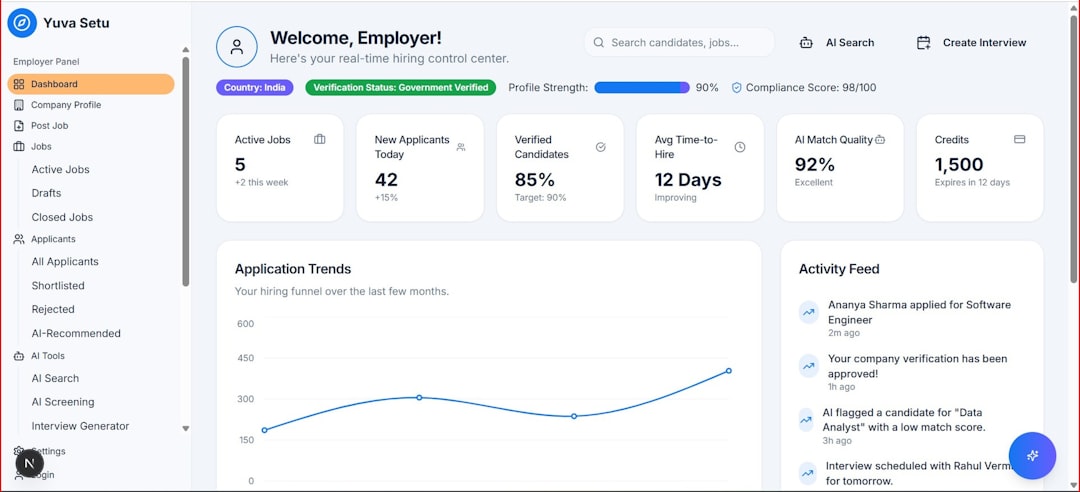

Modern electric, water, gas, and telecom utilities depend on fast, accurate service restoration when disruptions occur. An outage management system, often called an OMS, is a software platform that helps utilities detect outages, predict affected customers, coordinate crews, communicate updates, and analyze restoration performance. It acts as a central command hub during routine faults, severe storms, equipment failures, and large emergency events.
TL;DR: An outage management system helps utilities identify service interruptions, prioritize repairs, and restore service faster. For example, an electric utility using smart meter data with an OMS may reduce average outage confirmation time from 20 minutes to under 5 minutes. In storm events, utilities can use OMS analytics to assign crews more efficiently and improve estimated restoration accuracy by 15% to 30%. The result is better reliability, lower operational costs, and clearer customer communication.
What Is an Outage Management System?
An outage management system is a specialized utility software solution designed to manage the full lifecycle of service interruptions. It collects outage reports from multiple sources, analyzes network topology, identifies likely fault locations, and supports dispatch teams as they restore services.
In the electric utility sector, an OMS often integrates with systems such as advanced metering infrastructure, geographic information systems, supervisory control and data acquisition platforms, customer information systems, and mobile workforce management tools. For water, gas, and telecom providers, similar integrations help operations teams understand field conditions, customer impact, and repair priorities.
Core Features of an Outage Management System
A well-designed OMS includes several major capabilities that support real-time decision-making and long-term reliability planning.
- Outage detection and prediction: The system receives trouble calls, smart meter alerts, sensor data, and field reports. It then predicts the probable location and scope of the outage.
- Network model integration: By using maps and asset data, the OMS understands how equipment, feeders, transformers, valves, or lines are connected.
- Customer impact analysis: Utilities can see how many customers are affected, which critical facilities are impacted, and whether priority sites such as hospitals or emergency centers require attention.
- Crew dispatch and tracking: Dispatchers can assign crews, track status, update work orders, and coordinate field resources from a central interface.
- Estimated time of restoration management: The platform helps calculate and update restoration estimates based on fault type, crew location, weather, and repair complexity.
- Customer communication tools: OMS platforms often feed outage maps, text alerts, email notifications, call center scripts, and mobile app updates.
- Reporting and analytics: After restoration, utilities can review outage duration, interruption frequency, response times, and crew performance.
How an OMS Works During an Outage
When an outage occurs, the OMS gathers incoming signals from devices, customers, and operators. If several customers in the same area report a loss of service, the system groups those reports into a single incident. When smart meters are available, the OMS may confirm power loss automatically, reducing reliance on phone calls.
The system then uses the utility’s network model to identify the likely failed asset. For example, if multiple customers downstream from a transformer lose service while nearby customers remain unaffected, the platform may flag that transformer or a connecting line segment as the probable cause. Dispatchers can then send the nearest qualified crew with better information before the crew arrives onsite.
As field workers investigate and make repairs, they update the OMS through mobile devices or dispatch communications. The system adjusts customer counts, estimated restoration times, and map displays in near real time.
Key Benefits for Utilities
The value of an outage management system extends beyond faster restoration. It improves operational control, regulatory reporting, and customer trust.
- Shorter outage duration: Faster fault identification and optimized dispatch can reduce the time needed to restore service.
- Lower operational costs: Better crew routing, fewer duplicate truck rolls, and improved incident grouping help utilities use labor and equipment more efficiently.
- Improved customer satisfaction: Customers are more likely to remain patient when they receive accurate outage updates and realistic restoration estimates.
- Better storm response: During major events, the OMS helps prioritize work based on safety risk, customer count, and critical infrastructure.
- Regulatory compliance: Utilities can track reliability metrics such as SAIDI, SAIFI, and CAIDI for reporting and performance improvement.
- Data-driven planning: Historical outage patterns reveal weak assets, vegetation risks, overloaded circuits, and areas needing infrastructure upgrades.
Utility Industry Applications
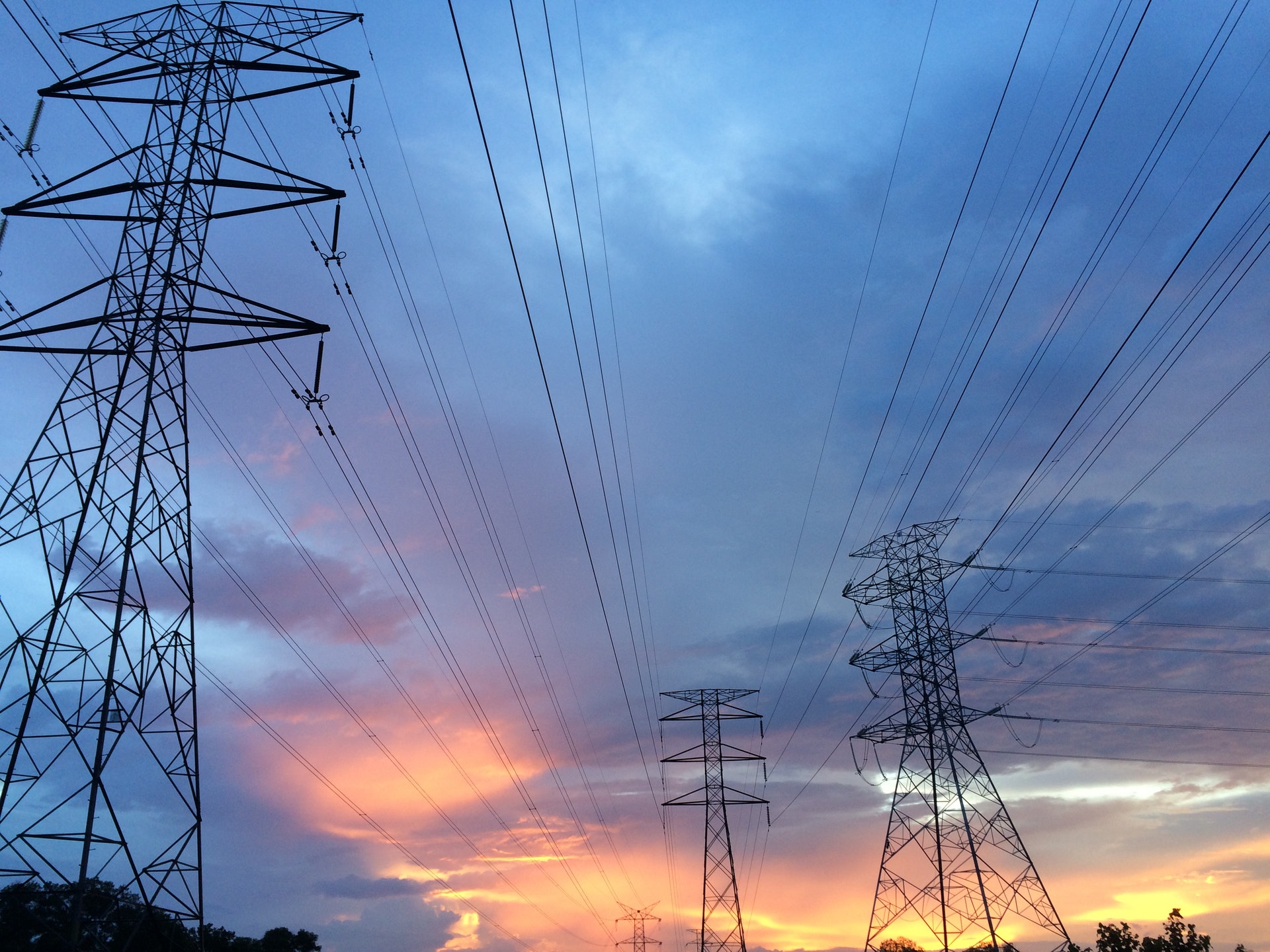
Electric utilities are the most common users of outage management systems. They use OMS platforms to manage distribution outages caused by storms, equipment failures, wildlife contact, vehicle accidents, and vegetation interference. Integration with smart meters and distribution automation makes electric OMS platforms especially powerful.
Water utilities can apply similar principles to main breaks, pressure loss, pump failures, and service interruptions. When combined with hydraulic models and sensor data, an OMS can help teams identify affected zones and prioritize repairs based on public safety and service impact.
Gas utilities may use outage and incident management tools for emergency response, leak investigations, pressure issues, and planned service interruptions. Safety is a major focus, so coordination between dispatch, field crews, customer service, and emergency responders is essential.
Telecommunications providers use outage management for fiber cuts, network equipment failures, tower disruptions, and broadband service interruptions. Customer communication is especially important because businesses, schools, and healthcare providers rely heavily on connectivity.
OMS Integration with Modern Grid Technologies
As utilities modernize, outage management systems are increasingly connected to advanced technologies. Smart meters can send last-gasp signals when power is lost and restoration signals when service returns. Distribution automation devices can isolate faults and reroute power, while the OMS tracks the event and updates customers.
Artificial intelligence and machine learning are also becoming more common. These tools can analyze weather forecasts, asset age, vegetation data, and historical outage records to predict where failures are most likely. This allows utilities to stage crews before storms and prepare materials in advance.
Challenges in OMS Implementation
Although OMS platforms provide major advantages, implementation can be complex. Utilities may need to clean and update asset records, improve network models, train dispatchers, and integrate legacy systems. Inaccurate GIS data can reduce prediction accuracy, while poor communication between systems can slow response times.
Change management is also important. Dispatchers, field crews, call center agents, and managers must trust the system and use consistent workflows. Successful implementations usually include phased rollouts, user training, data validation, and performance testing under simulated outage conditions.
The Future of Outage Management
The future of OMS technology is moving toward more automated, predictive, and customer-focused operations. Utilities are expected to rely more heavily on real-time sensor networks, advanced analytics, satellite weather data, drone inspections, and self-healing grid capabilities. Instead of simply reacting to outages, utilities will increasingly anticipate risks and prevent service interruptions before they spread.
For the utility industry, an outage management system is no longer just an emergency response tool. It is a core operational platform that supports reliability, resilience, safety, and customer experience.
FAQ
What does an outage management system do?
An outage management system detects, analyzes, tracks, and manages service interruptions. It helps utilities identify affected customers, dispatch crews, provide restoration estimates, and communicate updates.
Which utilities use outage management systems?
Electric, water, gas, and telecommunications utilities can use OMS platforms. Electric utilities are the most common users, especially those operating complex distribution networks.
How does an OMS improve restoration times?
It groups outage reports, predicts fault locations, identifies affected infrastructure, and helps dispatch the right crews faster. This reduces investigation time and avoids inefficient field response.
Does an OMS require smart meters?
No, but smart meters significantly improve outage detection and restoration confirmation. Without smart meters, the system may rely more on customer calls, field reports, and network analysis.
What is the difference between SCADA and OMS?
SCADA monitors and controls real-time utility equipment, while an OMS manages outage events, customer impact, crew coordination, and restoration workflows. Many utilities integrate both systems for better visibility.


Email Pitch Sample: Lavender vs Regie.ai and Other AI Tools for Writing Personalized Sales Emails
Lavender is usually the better pick for improving one sales email at a time, while Regie.ai is stronger for building…