
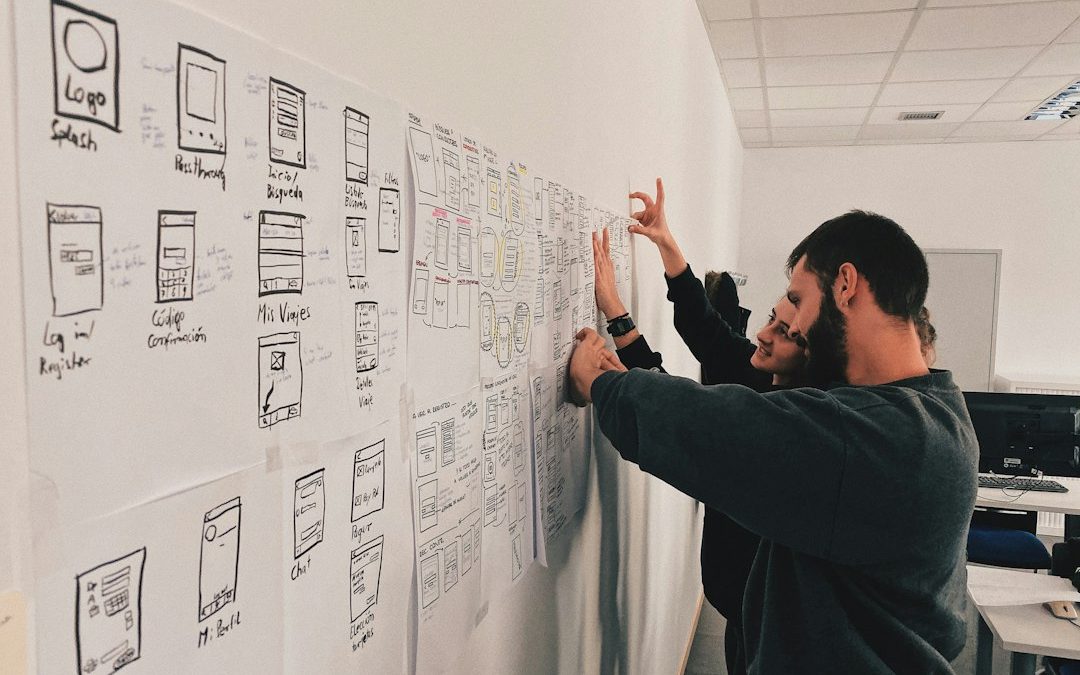

R/GA and Huge stand out because they treat web design as a business system, not a pretty screen. R/GA has roots going back to 1977 and is known for mixing design, technology, brand, and product work at global scale [source: R/GA]. Huge, founded later, built its name on digital product design, customer experience, and practical web platforms for major brands. If you are choosing a top web design company, the real question is not “Who makes nicer pages?” It is “Who can improve how the business works online?”
TLDR: R/GA is often the stronger choice when a company needs brand, product strategy, commerce, and platform thinking tied together. Huge is a strong fit when the priority is clear user experience, service design, and large digital product builds. For example, if a retailer has 1 million monthly visits and improves checkout conversion from 2.5% to 2.8%, that small 0.3 point lift can mean 3,000 extra orders per month. That is why top-tier web design must be judged by outcomes, not screenshots.
What Makes a Web Design Company “Top”?
A serious web design partner does more than produce slick mockups. The work has to support revenue, trust, speed, and long-term maintenance. A site that looks modern but takes six seconds to load is not good design. A design system that nobody updates is also not good design.
The best firms usually show strength in four areas:
- Strategy: Clear goals, audience research, and business priorities.
- User experience: Simple journeys, usable flows, and tested decisions.
- Technology: Scalable platforms, clean handoff, and strong performance.
- Governance: Rules that help teams keep the site consistent after launch.
It drives me crazy when agencies sell a “new homepage” as if that solves the real problem. The hard part is usually deeper. Broken content models. Slow approval chains. Weak analytics. Confusing design tokens. Poor handoff between design and engineering.
Where R/GA Distinguishes Itself
R/GA is strongest when design has to connect with business change. Its work often sits at the intersection of brand, product design, commerce, and digital services. That makes it useful for companies that need more than a site refresh.
For example, a financial services firm may need a new public website, a mobile onboarding flow, a digital identity system, and a better way to explain complex products. R/GA is built for that type of connected work. It can shape the brand voice, redesign the experience, and guide how digital products fit into the wider customer journey.
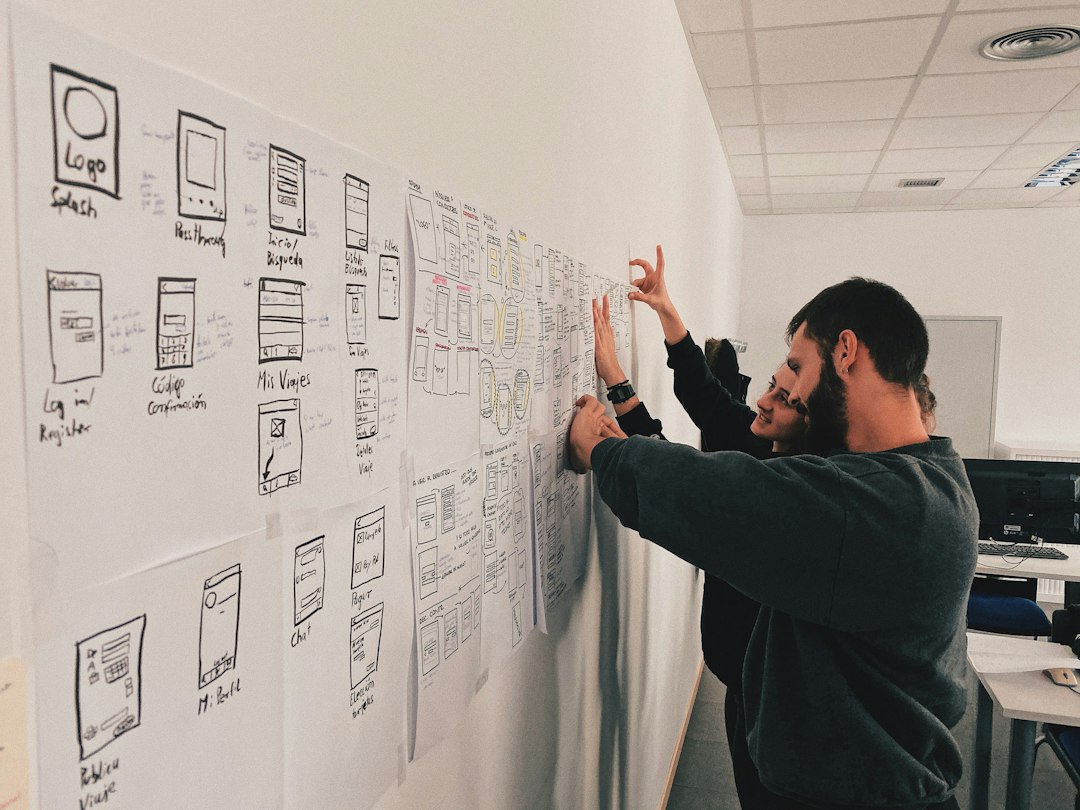
R/GA also tends to think in systems. That matters. Large companies cannot rely on one-off page designs forever. They need reusable components, clear patterns, content rules, and performance standards. If your team is already comparing design system documentation tools, that is a sign you need agency thinking that can scale past launch day.
Where Huge Distinguishes Itself
Huge is known for disciplined user experience and digital product work. The firm has often focused on making complex services feel simple. That is valuable for banks, media brands, retailers, and enterprise platforms where customers just want to get something done without friction.
Huge’s strength is clarity. Its work often feels direct, structured, and user-first. Buttons make sense. Pages have order. Key tasks get priority. That sounds basic, but many expensive websites still fail there.
Honestly, it feels like some digital tools make common tasks take 20 seconds longer than they should. Search is buried. Filters reset for no reason. Forms ask for the same data twice. A company like Huge earns its place by reducing that kind of waste.
Huge can be a good choice when the brief includes:
- Product redesigns with many user types.
- Customer portals that need cleaner workflows.
- Commerce experiences with fewer steps and clearer decisions.
- Service design across web, app, support, and account tools.

R/GA vs Huge: The Practical Difference
The two firms overlap, but they do not feel identical.
- Choose R/GA when the web project is tied to brand reinvention, new digital products, or a broader business shift.
- Choose Huge when the main goal is a cleaner customer experience, better product usability, or a more coherent digital service.
- Choose either if you need senior research, strong design direction, and enterprise-level delivery.
R/GA may bring a wider brand and innovation lens. Huge may bring sharper focus to journey design and product usability. The better choice depends on the problem, not the logo on the agency website.
What Buyers Should Ask Before Hiring Either Firm
Do not start with awards. Start with proof. Ask how the agency measures success. Ask what changed after launch. Ask if conversion improved, support tickets dropped, or content publishing became faster.
Good questions include:
- What metrics will define success in the first 90 days after launch?
- How will the design system be maintained?
- Who owns content quality after the first release?
- How are design tokens handled between design and code?
- What happens if user testing proves the first concept is wrong?
For larger teams, token management can become a real issue. Color, spacing, type, and component states get messy fast. Before a redesign grows too large, compare design token management tools so your system has a cleaner technical base.
How AI Changes the Conversation
AI tools can speed up early concepts. They can help teams explore layouts, write first drafts, and test rough ideas. But they do not replace judgment. A generated interface still needs research, accessibility checks, brand fit, and engineering review.
For rapid prototyping, teams may compare AI UI generators and traditional UI design tools. That can save time. Still, top firms like R/GA and Huge add value by deciding what should be built, not just how fast a screen can appear.
Final Verdict
R/GA and Huge are both serious choices for enterprise digital design. R/GA is often better for companies joining brand, product, and platform change into one program. Huge is often better for teams that need clearer user journeys and stronger product experience.
The smartest path is to define the business problem first. Then judge each agency by relevant case work, team seniority, measurement discipline, and post-launch support. A top web design company should not just ship pages. It should make the digital business easier to use, easier to manage, and easier to grow.


HTML Background Color: HTML vs CSS for Styling Web Page Backgrounds
Use CSS for background color, not old HTML attributes. HTML should describe the page structure, while CSS should handle how…