


Large language models like ChatGPT are incredibly powerful, but they still have limits—especially when it comes to the size of the input they can process at once. If you have ever tried pasting a massive research paper, an entire book chapter, or long blocks of code into ChatGPT, you have probably encountered truncation errors or incomplete responses. This is where the ChatGPT Prompt Chunking Technique becomes invaluable. By strategically breaking large inputs into smaller pieces, you can work around size limitations while preserving clarity and context.
TLDR: The ChatGPT Prompt Chunking Technique is a method of splitting large inputs into smaller, structured segments to stay within token limits while maintaining context. Instead of pasting everything at once, you divide content into logical chunks and guide ChatGPT step by step. This improves accuracy, reduces errors, and makes long-form tasks more manageable. With a little structure and planning, chunking becomes a powerful workflow optimization tool.
Why Large Inputs Are a Problem
Even with advanced models, there is always a maximum context window—the combined size of the prompt and the model’s response. If you exceed that limit, one of several things can happen:
- The input gets cut off.
- You receive a partial answer.
- The model “forgets” earlier parts of the conversation.
- You get an error message.
These limitations don’t mean ChatGPT is incapable of handling complex projects. They simply require a smarter workflow. Instead of treating the model like a bottomless storage container, you treat it like a collaborative assistant who works best with structured instructions.
That’s exactly what prompt chunking achieves.
What Is the Prompt Chunking Technique?
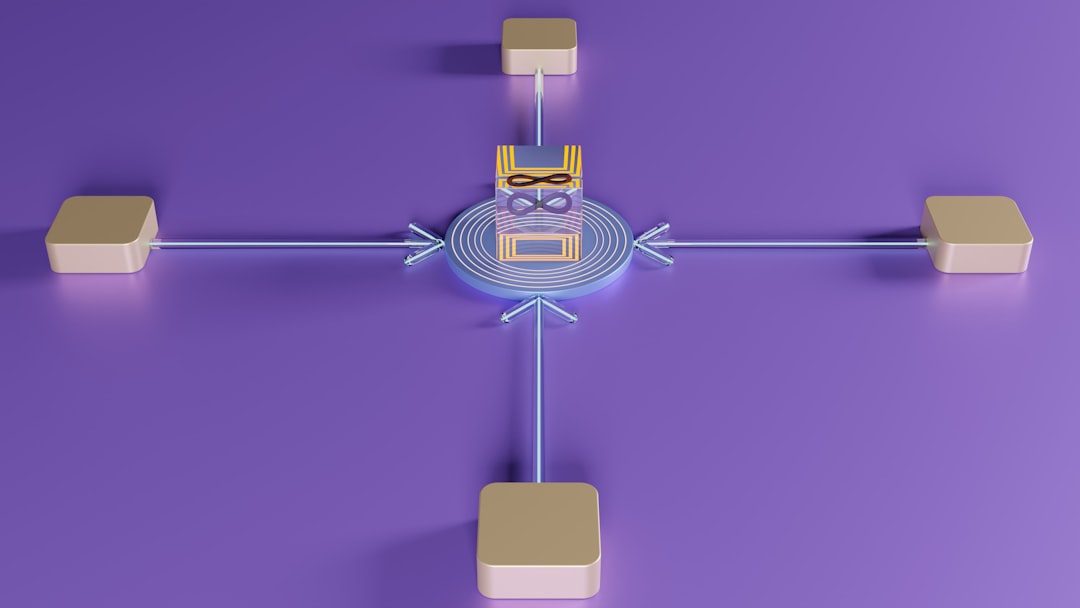
Prompt chunking is the practice of dividing a large input into smaller, logically organized segments and feeding them to ChatGPT sequentially. Each segment, or “chunk,” builds on the previous one.
Rather than sending a 15,000-word report in one prompt, you might:
- Break the report into sections (e.g., Introduction, Methods, Results).
- Summarize or process each section separately.
- Ask ChatGPT to combine summaries into a final output.
This method prevents overload and dramatically improves response quality.
When Should You Use Chunking?
Prompt chunking is helpful in many real-world situations, including:
- Analyzing long documents such as contracts, research papers, or legal agreements.
- Editing books or large manuscripts in sections.
- Debugging large codebases module by module.
- Summarizing meeting transcripts in manageable parts.
- Data processing when working with extended datasets.
Essentially, if your task involves more information than comfortably fits into one prompt, chunking is your solution.
Step-by-Step Guide to Effective Chunking
1. Break Content Into Logical Sections
Don’t divide text randomly. Instead, rely on natural structure:
- Chapters
- Headings and subheadings
- Paragraph groups
- Thematic divisions
Logical chunking ensures that each piece remains coherent on its own. For example, if you are summarizing a research paper, break it at section boundaries rather than mid-paragraph.
2. Provide Context Before Each Chunk
Every time you send a new chunk, remind ChatGPT of the broader goal. For instance:
“This is Part 2 of a five-part report I am analyzing. Please continue summarizing in the same structured format as before.”
This keeps the output consistent.
3. Label Everything Clearly
When splitting content, explicit labeling reduces confusion. For example:
- Chunk 1: Market Overview
- Chunk 2: Competitive Analysis
- Chunk 3: Financial Projections
Clear labels make it easier to synthesize later.
4. Summarize Along the Way
After processing a chunk, ask for a summary before moving on. This has two benefits:
- Condenses information into a more manageable format.
- Reduces the memory load in follow-up prompts.
Later, you can ask ChatGPT to combine those summaries into a unified analysis.
5. Perform a Final Synthesis Step
Once all chunks are processed, provide the partial outputs and request integration:
“Using the summaries from Parts 1–5, create a cohesive executive summary.”
This final step reconnects everything into a polished whole.

Advanced Chunking Strategies
While basic chunking works well, advanced users can refine the method further.
Recursive Chunking
If one chunk is still too large, divide it again. This creates a hierarchical processing system:
- Main Section
- Subsection A
- Subsection B
- Subsection C
Think of it like outlining an essay before writing it.
Instruction Anchoring
Keep your formatting instructions identical across prompts. For example, always request:
- Bullet-point summaries
- A maximum of 150 words
- Clear headers
This prevents stylistic drift between chunks.
Rolling Context Method
Instead of reposting the entire previous output, provide a condensed recap before introducing the next chunk. This balances continuity with efficiency.
Common Mistakes to Avoid
Even with chunking, pitfalls can arise. Here are frequent errors:
- Inconsistent instructions: Changing formatting expectations mid-process.
- No final synthesis: Forgetting to combine chunk outputs.
- Overlapping chunks: Repeating sections unintentionally.
- Too-small chunks: Excessively fragmenting text, causing loss of thematic continuity.
The goal is balance. Each chunk should be small enough to process easily, but large enough to retain meaning.
Real-World Example: Chunking a 20-Page Report
Imagine you have a 20-page industry analysis you need summarized. Here’s how chunking might look:
- Divide the report into five logical sections.
- Process each section individually, requesting a 200-word summary.
- Ask for key insights from each summary.
- Combine insights into a final strategic overview.
This stepwise method often produces better results than requesting a full summary in one go.

Benefits Beyond Token Limits
Interestingly, chunking is not just about technical constraints. It also improves:
- Accuracy: Smaller inputs reduce ambiguity.
- Focus: The model concentrates on one section at a time.
- Editing precision: Easier refinement of individual parts.
- Collaboration: Creates a more conversational workflow.
In many cases, chunked workflows outperform single-prompt attempts—even when token limits are not reached.
How Chunking Applies to Different Fields
Writers can revise novels chapter by chapter.
Programmers can debug modules instead of entire systems.
Students can analyze readings section by section.
Researchers can extract findings from lengthy academic texts.
Prompt chunking transforms ChatGPT from a generic responder into a structured research assistant.
Practical Template for Prompt Chunking
Here’s a reusable framework:
Step 1: Define the final objective.
Step 2: Divide content into logical parts.
Step 3: Label and send Chunk 1 with instructions.
Step 4: Summarize and confirm output format.
Step 5: Repeat for remaining chunks.
Step 6: Request synthesis.
You can even prepare a short anchor instruction such as:
“Please maintain a consistent analytical tone, use bullet points, and limit summaries to 150 words per section.”
Copy-paste that anchor instruction into every chunk prompt for consistency.
Final Thoughts
The ChatGPT Prompt Chunking Technique is more than a workaround for size limits—it is a structured thinking strategy. By dividing large problems into manageable pieces, you naturally improve clarity, precision, and outcome quality. Much like outlining an essay before writing it, chunking introduces logical flow and reduces cognitive overload.
As AI tools become increasingly integrated into professional and creative workflows, mastering prompt chunking will give you a distinct advantage. Instead of fighting system limitations, you work with them—strategically, methodically, and efficiently. Whether you are drafting a book, reviewing contracts, or analyzing data, chunking ensures your interaction with ChatGPT remains smooth, focused, and productive.

ProxyCroxy Review: Features and How It Works
ProxyCroxy is best viewed as a quick browser based proxy for opening blocked websites, checking region restricted pages, or browsing…