


Programmatic SEO works best when you start with search demand, build useful page templates, and set strict quality rules before publishing at scale. Do not begin with automation. Begin with a real user problem, a repeatable keyword pattern, and a page type that can answer thousands of related searches without turning into thin content.
TLDR: Programmatic SEO is the process of creating many search-focused pages from structured data, reusable templates, and clear keyword patterns. For example, a travel site might create pages for “best hotels in Austin for families,” “best hotels in Denver for families,” and 500 similar city-based searches. One SaaS team could grow from 120 organic visits to 8,400 monthly visits in six months by publishing 1,200 high-quality comparison pages, then pruning the bottom 18% that failed to earn impressions. The goal is not “more pages.” The goal is more useful pages that match real demand.
What Programmatic SEO Really Means
Programmatic SEO is a content system. It uses data, templates, internal links, and automation to create pages at scale. Each page targets a specific search query or group of related queries.
Think of pages like:
- “Best project management software for architects”
- “Cost of living in Lisbon vs Madrid”
- “Top dentists in Chicago open on Saturday”
- “How much does shipping cost from New York to Toronto?”
These pages follow a pattern. The topic changes, but the structure stays consistent. That is the power of the model. It allows you to cover long-tail search demand faster than writing every page from scratch.
The catch is that search engines are very good at spotting lazy scale. If your pages only swap a city name or product name, expect poor rankings. Worse, Google may ignore most of the pages completely.

Start With Search Demand, Not a Spreadsheet
The biggest mistake is building a huge database before proving demand. It feels productive. It is often wasted work.
Start with keyword patterns. Look for search terms that share the same structure and intent. For example:
- “best software category for industry”
- “product alternatives”
- “city salary for job title”
- “service cost in location”
- “tool A vs tool B”
Then check whether people search for these terms. Use tools like Google Search Console, Ahrefs, Semrush, Similarweb, AlsoAsked, Keyword Planner, or even Google autocomplete. You do not need perfect volume numbers. You need enough proof that the pattern exists.
A good programmatic SEO idea usually has three traits:
- Repeatable intent: The user wants the same type of answer across many variations.
- Structured data: You can fill each page with accurate facts, not fluff.
- Business value: The visitor could become a lead, user, subscriber, buyer, or partner.
Build a Page Template That Deserves to Rank
Your template is the engine. A weak template creates weak pages at scale. A strong one gives every page a fair shot.
A useful programmatic SEO page should include:
- A clear title: Match the query closely, but keep it natural.
- A short answer near the top: Give users value in the first few lines.
- Unique data: Prices, ratings, locations, time estimates, features, reviews, or comparisons.
- Helpful filters or tables: Let users scan fast.
- Explanatory copy: Add context, limits, and buying advice.
- Internal links: Connect related pages so users and crawlers can move easily.
- A clear next step: Signup, quote request, demo, download, comparison, or contact.
It drives me crazy when a page claims to be a “complete guide” and then gives three generic paragraphs with a giant table copied from a database. Users notice. Search engines notice. Add details that help someone make a decision.
Use Data Carefully
Programmatic SEO depends on data quality. Bad data poisons the whole system.
Your data might come from product feeds, public databases, customer reviews, internal usage stats, APIs, surveys, scraped sources with permission, or manually maintained records. Whatever the source, clean it before publishing.
Check for:
- Missing values
- Duplicate records
- Outdated pricing
- Inconsistent names
- Wrong locations
- Broken URLs
- Thin rows with too little information
Set minimum publishing rules. For example, do not publish a “best restaurants in city” page unless it has at least 15 restaurants, 8 verified ratings, address data, opening hours, and one local insight. This prevents empty pages from slipping into the index.
Create Pages in Small Batches First
Do not publish 50,000 pages on day one. Publish 50. Then 200. Then 1,000 if the signals look good.
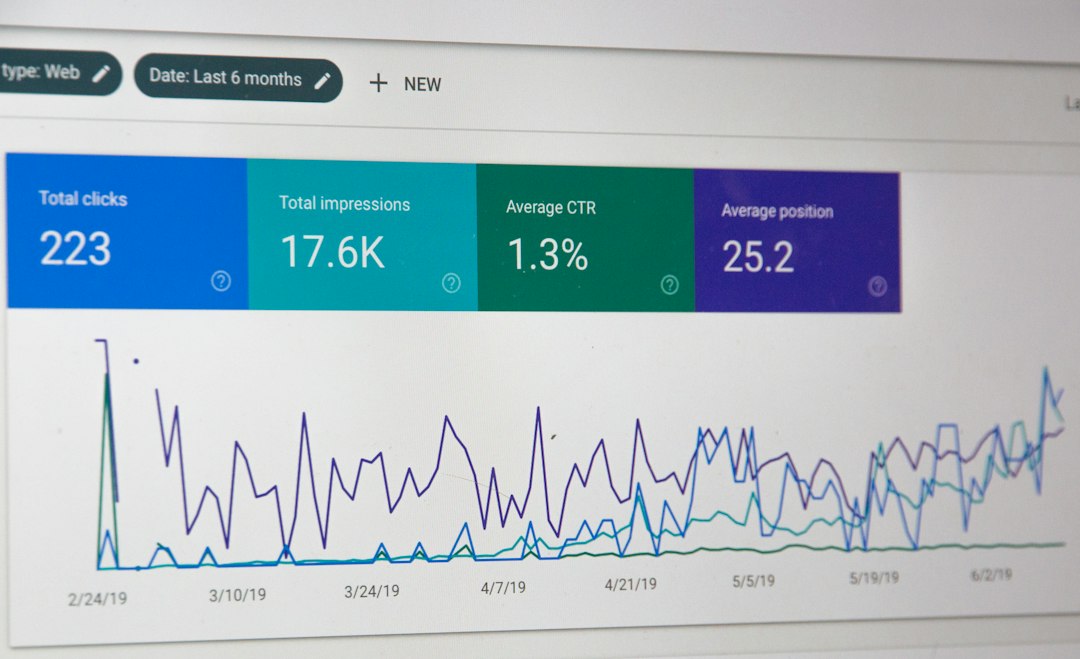
Track each batch. Watch impressions, clicks, crawl activity, indexation, rankings, conversions, and bounce behavior. Google Search Console is essential here. Your CMS logs and analytics platform also matter.
A simple test might look like this:
- Batch 1: 100 pages based on one keyword pattern
- Time frame: 30 to 60 days
- Success signal: 60% indexed, 40% earning impressions, 5% earning clicks
- Action: Improve the template before scaling further
If only 8 out of 100 pages get impressions, pause. The template may be too thin. The keyword group may lack demand. Or your site may need stronger internal links.
Internal Linking Makes or Breaks Scale
Programmatic pages are easy to orphan. That means they exist, but nothing links to them in a useful way. Orphan pages rarely perform well.
Create hub pages. Build category pages. Add “related searches” modules. Link between close variants. For example, a “CRM for real estate agents” page can link to “CRM for mortgage brokers,” “CRM for insurance agents,” and “best CRM software for small sales teams.”
Use breadcrumbs. Use HTML links, not only JavaScript widgets. Keep link paths short. Important pages should be reachable within a few clicks from a major hub.
Quality Control at Scale
Quality control is where programmatic SEO becomes serious work. Automation can publish fast. It can also publish junk fast.
Set rules before launch:
- No index pages below a data threshold.
- Merge pages that target nearly identical intent.
- Refresh pages with time-sensitive data every 30, 60, or 90 days.
- Remove pages with no impressions after a reasonable test period.
- Review manually the top traffic pages and the highest revenue pages.
Also build alerts. If 300 pages suddenly lose pricing data, you want to know before users do. If an API slows page generation by 4 seconds, fix it before crawl efficiency drops. Small technical issues get expensive at scale.

Common Programmatic SEO Examples
Some of the best use cases are practical and boring. That is fine. Boring often converts.
- Marketplaces: Service pages by city, category, and availability.
- SaaS sites: Alternative pages, comparison pages, industry pages, integration pages.
- Travel sites: Destination guides, hotel filters, trip cost pages.
- Finance sites: Calculators, rate pages, fee comparisons.
- Education sites: Program pages by degree, school, location, and career path.
- Local directories: Business listings, opening hours, reviews, and service filters.
The best examples give users answers they cannot get from a generic blog post. They use structured information to save time.
How to Learn Programmatic SEO
Learn it by building a small project. Reading helps, but practice teaches the real lessons.
- Pick one keyword pattern. Keep it narrow.
- Collect 100 to 300 records. Use clean, legal, reliable data.
- Design one page template. Include useful sections, not filler.
- Publish a test batch. Keep URLs clean and consistent.
- Measure results. Use impressions, clicks, indexing, and conversions.
- Improve the template. Add missing details and better links.
- Scale only after proof. Growth should follow evidence.
You should also learn technical SEO basics. Study crawl budget, canonical tags, sitemaps, schema markup, pagination, indexation, performance, and duplicate content. You do not need to become a senior engineer, but you must understand how large sites are crawled and ranked.
Final Takeaway
Programmatic SEO is not a shortcut around quality. It is a way to repeat quality when demand is too large for manual content alone. Start small, prove the search pattern, build a useful template, protect data quality, and cut pages that do not help users. If you treat scale as a reward for good signals, programmatic SEO can become one of the most efficient organic growth systems you build.


What Does Session Mean in Computing?
A session in computing is a temporary interaction between a user, device, application, or service and a computer system. It…