

Managed print services entered 2026 as a more strategic technology category than in previous years, moving beyond device maintenance and toner replenishment into security, workflow automation, sustainability reporting, and cloud-enabled fleet management. Across the industry, providers, manufacturers, resellers, and enterprise buyers have been adjusting their priorities as hybrid work, cost control, cyber risk, and environmental accountability continue to shape print environments.
TLDR: Managed print services in 2026 are increasingly focused on security, cloud management, sustainability, and automation. Organizations are looking for providers that can reduce print costs while also improving document workflow visibility and compliance. The industry is seeing stronger demand for analytics, subscription-based contracts, print security controls, and environmental reporting. Providers that combine devices, software, service, and consultative support are expected to remain the most competitive.
Managed Print Services in 2026: A Market in Transition
The managed print services industry has continued to evolve in response to a workplace that is more distributed, more security-conscious, and more data-driven. While traditional print volumes have declined in some sectors, printing has not disappeared. Instead, print has become more specialized, more regulated, and more closely connected to digital workflows.
In 2026, the strongest MPS programs are no longer judged only by the number of devices under management or the percentage of toner savings achieved. They are evaluated by how well they support business continuity, user productivity, document security, and measurable operational efficiency. This change has led many providers to reposition themselves as workplace technology partners rather than print-only vendors.
Cloud Print Management Becomes a Standard Expectation
One of the most significant industry updates for 2026 is the continued normalization of cloud-based print management. Organizations with multiple offices, hybrid workers, and smaller satellite locations have increasingly moved away from print servers and toward centralized cloud platforms. These systems allow IT teams and MPS providers to monitor usage, deploy print queues, enforce print rules, authenticate users, and troubleshoot issues remotely.
Cloud print management has become especially important for mid-sized organizations that do not want to maintain complex local infrastructure. Providers have been emphasizing simplified deployment, automatic updates, identity integration, and scalable administration. In many new MPS contracts, cloud capability is no longer considered an optional upgrade; it is treated as a core requirement.
At the same time, organizations are still asking careful questions about data residency, encryption, identity management, and regulatory compliance. As a result, MPS vendors are expected to explain where print data is processed, how information is retained, and what security certifications support the platform.
Security Takes Center Stage in MPS Agreements
Print security remains one of the most active areas of managed print services news in 2026. Multifunction printers and networked devices are increasingly recognized as endpoints that require the same level of oversight as laptops, mobile devices, and servers. Businesses are paying closer attention to firmware updates, access controls, user authentication, encrypted transmission, and secure release printing.
Providers are responding by adding more security-focused features to MPS programs, including:
- Device hardening to reduce unnecessary services and ports.
- Automated firmware management to address vulnerabilities more quickly.
- Secure print release using badges, PINs, or mobile authentication.
- Audit reporting for regulated sectors such as finance, healthcare, education, and legal services.
- End-of-life data protection when devices are retired, returned, or replaced.
This security emphasis is influencing procurement decisions. Buyers are increasingly asking providers to demonstrate security frameworks, incident response procedures, and integration with broader IT governance. In some cases, MPS providers are collaborating more closely with managed IT and cybersecurity partners to deliver a unified endpoint strategy.
AI and Analytics Improve Fleet Optimization
Artificial intelligence and advanced analytics are playing a larger role in MPS platforms in 2026. While predictive maintenance has been discussed for years, providers are now using broader data sets to identify device failures, recommend fleet changes, forecast supply needs, and detect unusual printing behavior.
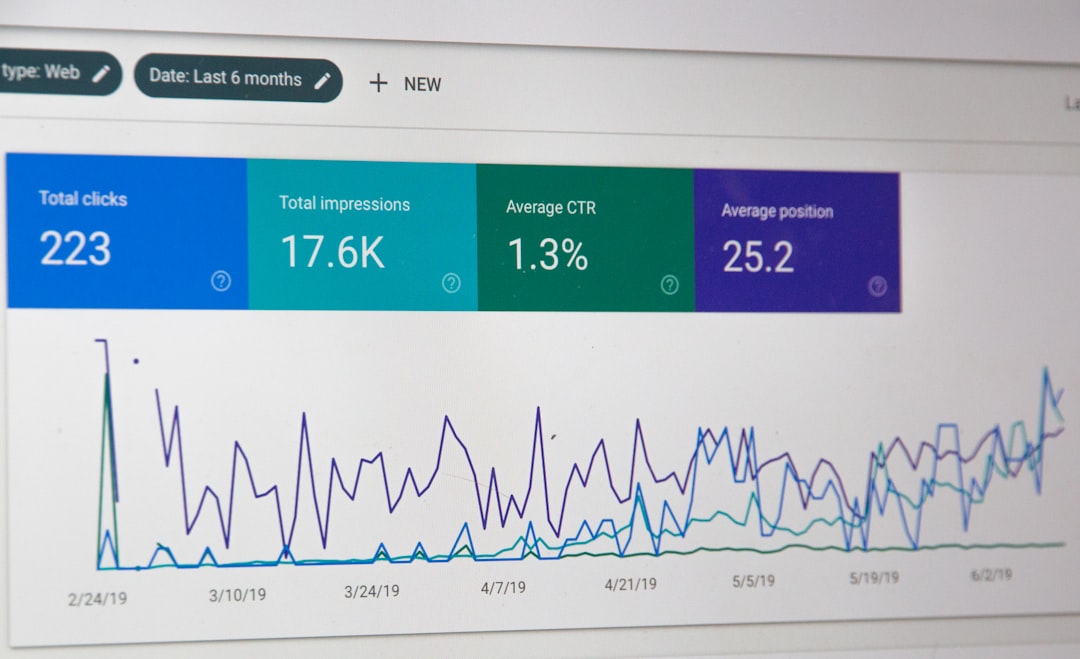
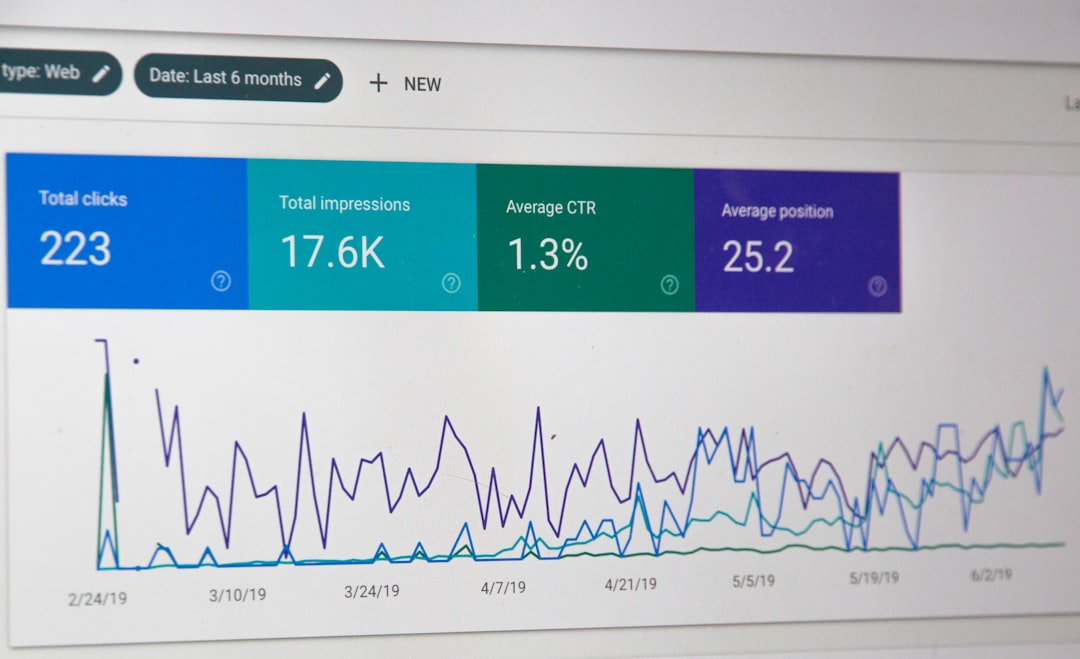
Analytics dashboards give organizations a clearer view of who is printing, where printing occurs, what types of documents are produced, and which devices are overused or underused. This visibility helps decision-makers reduce waste and improve device placement. In larger organizations, analytics may also support departmental chargebacks and compliance reviews.
The industry trend is not simply about collecting more data; it is about turning device and usage data into practical recommendations. Strong MPS providers are expected to translate analytics into actions, such as consolidating devices, changing default settings, digitizing high-volume forms, or moving specialized print work to centralized production environments.

Sustainability Reporting Drives New Value
Sustainability has become a major theme in managed print services industry updates for 2026. Organizations are under growing pressure to report environmental progress, reduce energy use, minimize paper waste, and demonstrate responsible supply chain choices. MPS providers are responding with environmental dashboards, carbon impact estimates, recycling programs, and recommendations for more efficient print behavior.
Common sustainability measures now included in MPS conversations include:
- Duplex printing defaults to reduce paper consumption.
- Pull printing to prevent abandoned documents.
- Energy-efficient device replacement strategies.
- Consumables recycling and closed-loop cartridge programs.
- Automated reporting on paper, toner, and energy usage.
In 2026, sustainability is also influencing hardware refresh cycles. Instead of replacing devices on a fixed schedule, some organizations are using lifecycle analytics to determine when replacement is truly beneficial. This creates a more balanced approach that considers energy efficiency, repair history, productivity, and environmental impact.
Subscription and As-a-Service Models Expand
The industry continues to see growth in subscription-style MPS contracts. Buyers increasingly want predictable monthly costs, flexible scaling, and bundled service models that include hardware, supplies, maintenance, software, security tools, and reporting. These arrangements can help organizations avoid large capital expenses while aligning print costs more closely with actual usage.
However, 2026 contracts are becoming more sophisticated. Businesses are paying closer attention to minimum volume commitments, automatic renewal language, service level agreements, overage costs, and device return terms. Transparent pricing has become a competitive advantage for providers, particularly as finance teams look for clear cost justification.
MPS vendors that can offer flexible contract structures are often better positioned to serve organizations with changing office footprints. Hybrid work has made it harder to forecast long-term page volumes, so businesses value agreements that allow device counts and service levels to change without excessive penalties.
Hybrid Work Reshapes Print Infrastructure
Hybrid and remote work patterns continue to influence managed print services in 2026. Although many employees print less than they did before, certain departments still require reliable access to printed documents. Human resources, logistics, legal, education, finance, and healthcare teams often depend on secure print workflows for specific processes.
This has created a need for more intentional print infrastructure. Instead of placing devices throughout every office area, organizations are consolidating printers into secure, high-traffic locations. Smaller offices may use compact multifunction devices with cloud management, while headquarters locations retain more advanced equipment for higher-volume needs.
Managed print providers are also supporting home-office and remote-worker scenarios more selectively. Rather than deploying personal printers broadly, organizations are setting policies around when home printing is allowed, how supplies are managed, and how confidential documents are protected outside the office.
Workflow Automation Becomes Part of the MPS Conversation
Another important 2026 update is the growing connection between MPS and workflow automation. Multifunction devices are increasingly used as entry points for document capture, routing, indexing, and approval workflows. This is especially valuable for organizations still managing paper-based forms, invoices, applications, medical records, or signed documents.
Providers are expanding their offerings to include scan-to-cloud, optical character recognition, document classification, and integrations with business platforms. The value of MPS is therefore shifting from managing printed pages to managing the movement of information.
For many organizations, the most effective MPS strategy is not to print more efficiently, but to identify which print-dependent processes can be digitized. Providers that can advise on both print reduction and document workflow modernization are gaining importance in the market.

Industry Consolidation and Partner Ecosystems
The MPS market in 2026 continues to be shaped by consolidation, partnerships, and expanded service portfolios. Traditional copier dealers, office technology resellers, managed IT providers, and software vendors are competing in overlapping spaces. Some providers are strengthening their capabilities through acquisitions, while others are building partnerships around cybersecurity, cloud platforms, and document management.
This shifting landscape gives buyers more options, but it can also make provider comparisons more difficult. Organizations are advised to assess whether a provider has direct service capabilities, certified technical staff, responsive support, strong vendor relationships, and experience in the buyer’s industry.
In competitive bids, providers are increasingly expected to deliver strategic assessments rather than basic price-per-page proposals. The most effective proposals include fleet analysis, security recommendations, sustainability metrics, workflow improvement ideas, and a clear implementation plan.
Key Priorities for Buyers in 2026
Organizations evaluating managed print services in 2026 are focusing on a more complete set of requirements. Cost savings remain important, but they are no longer the only measure of success. Buyers are looking for programs that help reduce risk, simplify IT operations, and support long-term workplace planning.
- Security: Devices must be protected, monitored, and maintained as part of the broader IT environment.
- Cloud readiness: Print infrastructure should support distributed locations and remote administration.
- Data visibility: Usage analytics should guide decisions about fleet design and policy.
- Sustainability: Reporting and waste reduction should be built into the service model.
- Flexibility: Contracts should adapt to changing page volumes, office layouts, and workforce needs.
- Workflow value: Providers should help reduce unnecessary printing and modernize document processes.
Outlook for the Rest of 2026
The managed print services industry is expected to continue moving toward integrated workplace technology services. Print volumes may remain uneven across sectors, but demand for secure, efficient, and well-managed document infrastructure is likely to remain strong. Providers that rely only on hardware placement and supply fulfillment may face pressure, while those offering security, automation, analytics, and sustainability support are better aligned with buyer expectations.
In 2026, MPS is less about managing printers in isolation and more about helping organizations manage information responsibly. The industry’s direction suggests that print will remain relevant where it supports critical workflows, compliance, customer service, and operational continuity. The providers that succeed will be those that can make printing simpler, safer, more measurable, and more connected to digital transformation.
FAQ
What are managed print services?
Managed print services are outsourced programs that manage an organization’s printers, multifunction devices, supplies, maintenance, usage tracking, security settings, and print-related workflows.
What is the biggest MPS trend in 2026?
The biggest trend is the shift toward secure, cloud-enabled, analytics-driven print management. Organizations want more visibility, stronger security, and easier administration across distributed workplaces.
Are businesses still using print in 2026?
Yes. Although some general office printing has declined, many industries still rely on print for contracts, records, labels, forms, compliance documents, education materials, and customer-facing communications.
How does MPS improve security?
MPS can improve security through user authentication, secure print release, encryption, firmware updates, access controls, audit trails, and proper data removal when devices are retired.
Can managed print services reduce costs?
Yes. MPS can reduce costs by optimizing device placement, lowering waste, controlling color printing, automating supply delivery, reducing downtime, and eliminating unnecessary equipment.
Why is sustainability important in MPS?
Sustainability is important because organizations are under pressure to reduce paper use, energy consumption, and consumable waste. MPS programs can provide reporting and policies that support environmental goals.
What should organizations look for in an MPS provider in 2026?
Organizations should look for a provider with strong service support, cloud print capabilities, security expertise, transparent pricing, analytics tools, sustainability reporting, and the ability to improve document workflows.


WordPress Hosting Cost: WordPress.com vs Bluehost for Comparing Hosting Costs
For most small WordPress sites, Bluehost is cheaper in year one, but WordPress.com can be less stressful if you want…