

Brand-directed search tells you that a user already knows where they want to go, while informational and transactional searches show they are still learning or deciding. That difference changes everything: the content you create, the pages you optimize, the ads you run, and the metrics you trust. A query like “Slack login” is not the same as “best team chat apps” or “Slack pricing.” Each one reveals a different level of intent.
TLDR: Navigational search usually involves branded queries, such as “Nike returns” or “HubSpot academy.” These users often have high intent, but not always purchase intent; many simply want a specific page, account area, store, or support resource. In one ecommerce account, branded queries made up only 18% of organic clicks but produced 43% of assisted conversions, because users were already familiar with the company. Treat these searches as demand capture, not broad discovery.
What Is Navigational Search?
Navigational search happens when someone uses a search engine as a shortcut to a known destination. They may not type the full URL. They may not remember the exact page. They may simply find Google faster than their browser history.
Common examples include:
- “Amazon customer service”
- “Canva login”
- “Apple trade in”
- “Spotify family plan”
- “LinkedIn ads manager”
These queries are often branded, but they are not all the same. Some are simple access queries. Some are support queries. Some are product research. Some can signal buying intent. The brand name gives you context, but the rest of the phrase gives you the real job.
How Branded Queries Differ From Informational Intent
Informational search is about learning. The user wants an answer, comparison, explanation, definition, checklist, or tutorial. They may not know which brand can help yet.
For example:
- “how to reduce cart abandonment”
- “what is two factor authentication”
- “email marketing best practices”
- “how does cloud storage work”
These searches are early in the journey. The user may read a blog post, watch a video, or compare several sources. They are not necessarily ready to sign up, buy, or contact sales.
Branded navigational queries are different because the user has already made a mental connection with a company. They may have seen an ad, heard a recommendation, read a review, used the product before, or clicked an email. That prior exposure matters. It often means less persuasion is needed.
The content strategy changes too. For informational searches, you need helpful articles, guides, glossaries, and examples. For branded queries, you need clean site structure, strong page titles, fast-loading pages, clear support paths, and accurate snippets. If someone searches “Acme refund policy”, a 2,000-word thought leadership post is useless. They want the policy. Quickly.
How Branded Queries Differ From Transactional Intent
Transactional searches show that a user is close to taking action. They may want to buy, subscribe, book, download, or request a quote. These queries often include words such as:
- buy
- coupon
- pricing
- trial
- near me
- book
- download
A search like “project management software pricing” is transactional but not branded. A query like “Asana pricing” is both branded and transactional. That overlap is where things get interesting.
Not every branded query means the user is ready to buy. “Netflix login” is not a sales query. “Netflix plans” might be. “Netflix cancel subscription” is a retention problem. If you lump all branded traffic into one bucket, you miss the story.
Honestly, it feels like many analytics dashboards make this harder than it should be. You often have to export search terms, filter misspellings, group variants, and separate login terms from pricing terms. Expect to waste 20 extra minutes if your brand has common abbreviations or a name people spell three different ways.
The Three Main Signals in Branded Search
To understand branded queries, break them into smaller intent groups. This is much more useful than calling all of them “brand traffic.”
- Access intent: Users want to reach a specific function or account area. Examples include “Dropbox login”, “Shopify admin”, and “Chase credit card login.”
- Support intent: Users need help, policies, contact details, or fixes. Examples include “Dyson warranty”, “Uber refund”, and “Zoom audio not working.”
- Commercial brand intent: Users compare, price, buy, or evaluate a known company. Examples include “Mailchimp pricing”, “Adobe student discount”, and “Tesla Model 3 lease.”

Why Branded Search Is So Valuable
Branded search is valuable because it reflects memory. Someone remembered your name well enough to search for it. That is not a small thing. It may come from SEO, ads, social media, word of mouth, PR, offline events, or past customer experience.
This also makes branded search tricky to measure. Organic branded clicks may get credit for conversions that were created elsewhere. A user might see a YouTube review on Monday, click a paid social ad on Wednesday, and search your brand on Friday. The branded query captures the final visit, but it did not create all the demand by itself.
Smart teams separate demand creation from demand capture. Informational content often creates demand. Branded search often captures it. Transactional pages convert it. All three matter, but they play different roles.
What the Search Results Page Usually Looks Like
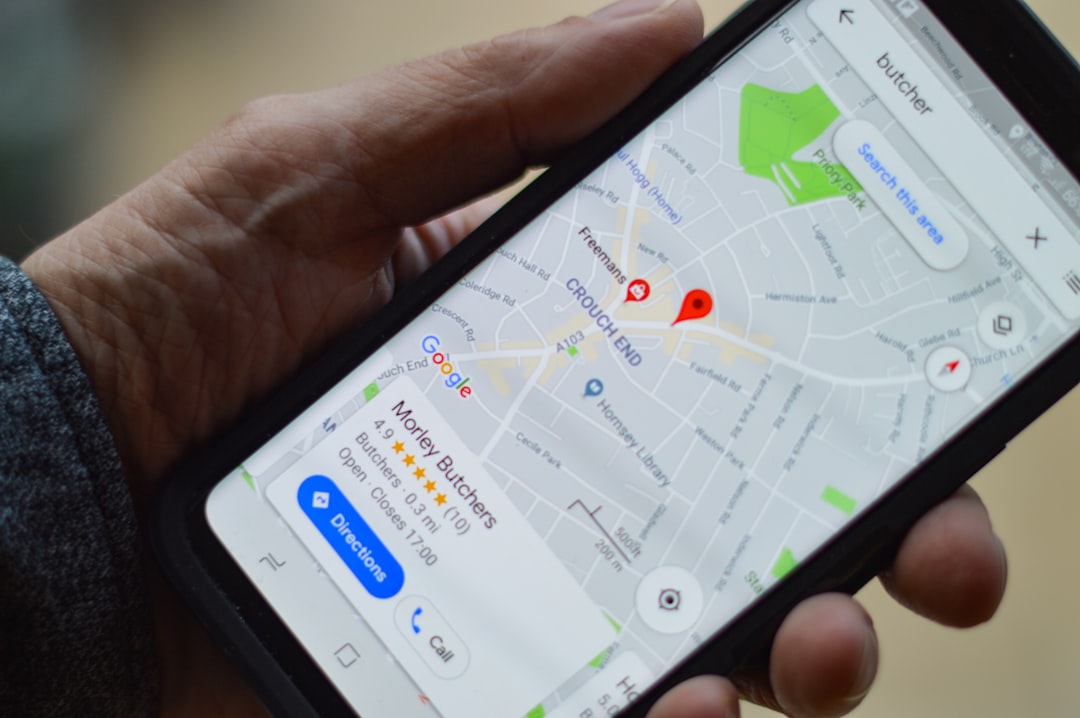
For branded navigational searches, search engines often show official pages first. You may also see sitelinks, map packs, social profiles, app listings, review panels, knowledge panels, support pages, and “people also ask” boxes.
For informational searches, the results usually include guides, videos, featured snippets, forums, and comparison content. For transactional searches, you are more likely to see shopping results, ads, local listings, product pages, and review sites.
This matters because the search results page can either protect your brand or expose weak spots. If someone searches “your brand refund” and the top result is an angry forum thread, that is a problem. If someone searches “your brand pricing” and lands on an outdated third-party page, that is also a problem.
How to Optimize for Branded Queries
Branded search optimization is not glamorous, but it protects revenue. It also reduces friction for users who already want something from you.
- Create clear pages for high-demand branded terms. Login, pricing, contact, returns, warranty, careers, locations, and support pages should be easy to find.
- Use plain page titles. A title like “Pricing | Acme” beats a clever slogan when users are in a hurry.
- Control your sitelinks where possible. Strong internal linking and clean page hierarchy help search engines pick better shortcuts.
- Monitor branded modifiers. Track words such as reviews, complaints, discount, login, cancel, and alternatives.
- Fix slow or confusing pages. If a branded query lands on a page that takes 6 seconds to load, users may bounce even though they searched for you by name.
How to Measure Branded Search Correctly
Start by separating branded and non-branded queries in your reporting. Then split branded terms by intent. That gives you a cleaner view of performance.
Useful metrics include:
- Branded click-through rate: Low CTR may mean poor titles, weak snippets, or competing ads.
- Share of branded search: Growth can signal rising awareness.
- Conversion rate by modifier: Pricing terms should behave differently from support terms.
- Support query volume: Spikes may reveal product issues, policy confusion, or broken onboarding.
- Competitor ads on your brand: These can steal clicks from users who already wanted you.
It drives me crazy when teams celebrate branded organic growth without asking why it grew. A 30% lift in brand searches after a campaign is great. A 30% lift in searches for “your brand cancel account” is not.
The Real Difference Comes Down to User Commitment
Informational users are curious. Transactional users are close to action. Branded navigational users are already oriented toward a specific company or page. That makes their expectations sharper and their patience shorter.
Treat branded queries as a mirror. They show what people remember, what they want, what confuses them, and where friction sits. When you classify them properly, they become more than “easy traffic.” They become a direct signal of brand demand, customer experience, and purchase readiness.


Sales Performance Coaching: Gong vs Jiminny and Other Conversation Intelligence Tools for Improving Rep Performance
Pick Gong if you need deep revenue coaching at scale. Pick Jiminny if you want a simpler coaching tool that…