
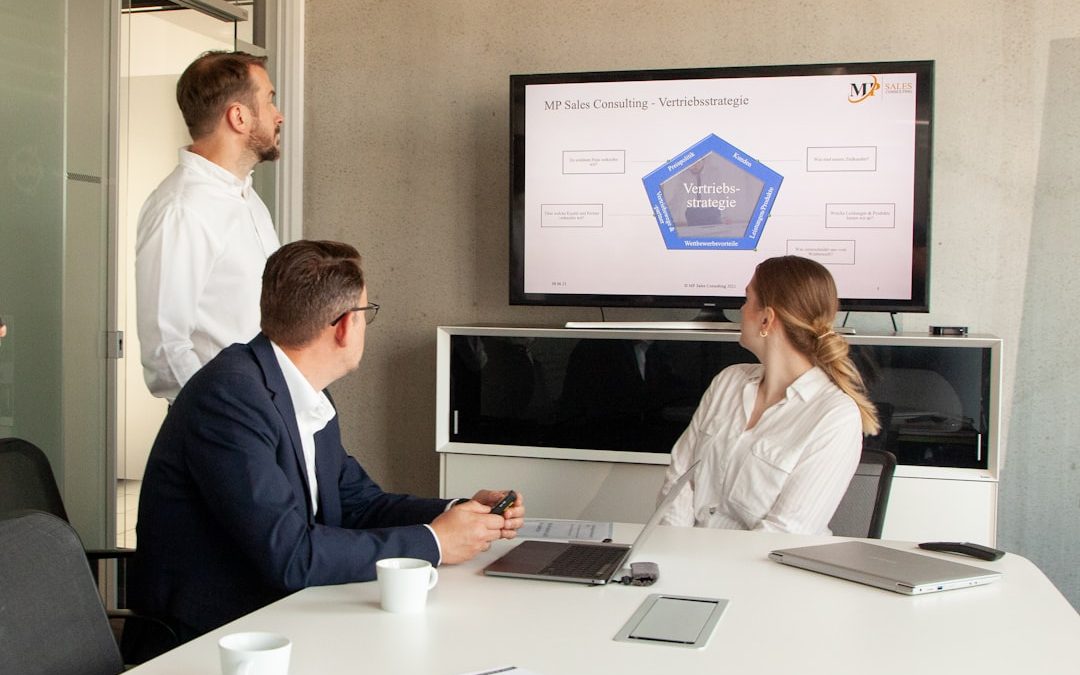

Building a software product is rarely a straight path from idea to release. It requires market research, technical planning, design, engineering, testing, deployment, and continuous improvement. For many companies, outsourced software product development services provide a practical way to access specialized talent, reduce delivery risks, and move faster without building a full in-house team from the start.
TLDR: Outsourced software product development helps companies turn an idea into a launched digital product with support from external experts. A reliable development partner can assist with idea validation, product strategy, UX design, engineering, QA, launch, and post-release improvements. The best results come from clear goals, transparent communication, and a phased approach that begins with validation before heavy development investment.
What Are Outsourced Software Product Development Services?
Outsourced software product development services involve hiring an external company or team to design, build, test, and sometimes maintain a software product. These services may cover the full product lifecycle or only selected stages, such as backend development, mobile app development, UI/UX design, or quality assurance.
Companies often choose outsourcing when they need to launch faster, access niche technical skills, control costs, or scale development capacity. Startups may use outsourced teams to build a minimum viable product, while established businesses may use them to modernize legacy systems or develop new digital products.

Why Companies Outsource Product Development
Outsourcing is not only a cost-saving tactic. When managed properly, it becomes a strategic way to build better products. A professional outsourced team can bring proven delivery processes, experienced engineers, product thinking, and technical architecture guidance.
- Faster time to market: External teams can often begin quickly and provide ready-to-use expertise.
- Access to specialists: Companies can work with product managers, designers, developers, DevOps engineers, and QA experts without hiring each role internally.
- Flexible scaling: Team size can increase or decrease depending on product stage and workload.
- Reduced operational burden: Recruitment, onboarding, and development management are partially handled by the outsourcing partner.
- Focus on core business: Internal leaders can focus on strategy, sales, partnerships, and customer development.
Step 1: Idea Validation
Every successful product begins with a validated problem. Before development starts, the company should confirm that the target audience experiences a real pain point and is willing to use or pay for a solution. An outsourcing partner may support this stage through market research, competitor analysis, user interviews, surveys, and discovery workshops.
The goal is to avoid building a product based only on assumptions. During validation, the team should define the target users, clarify the value proposition, identify competitors, and list the most important user needs. This stage often reveals whether the original idea should be refined, simplified, or expanded.
A strong validation process reduces waste and increases the likelihood that the final product will solve a meaningful problem.
Step 2: Product Discovery and Strategy
After validation, the outsourced team and the client usually move into product discovery. This stage converts business goals into a practical product plan. It may include defining user personas, user journeys, core features, monetization models, success metrics, and technical constraints.
Important outputs from product discovery often include:
- Product vision: A clear explanation of what the product should become.
- Feature prioritization: A ranked list of must-have, should-have, and future features.
- Technical feasibility review: An assessment of platforms, integrations, architecture, and risks.
- Roadmap: A phased plan from MVP to full product release.
- Budget and timeline estimate: A realistic delivery forecast based on scope and complexity.
Step 3: MVP Planning
A minimum viable product, or MVP, is the simplest version of the product that delivers real value to early users. It should not be a low-quality product; rather, it should be a focused product. The outsourced development partner helps determine which features are essential for launch and which can wait.
For example, a marketplace MVP may need user registration, listings, search, messaging, and payment processing. Advanced analytics, loyalty programs, and complex recommendation engines might be postponed until user demand is proven.
Good MVP planning protects the company from overbuilding. It also creates a faster route to feedback, allowing the product team to learn from real users instead of relying only on internal opinions.
Step 4: UX and UI Design
User experience design defines how the product works, while user interface design defines how it looks. Outsourced product teams often include UX researchers, wireframe designers, UI designers, and interaction designers. Their job is to create a product that is intuitive, accessible, and aligned with the brand.
The design process usually begins with wireframes and clickable prototypes. These prototypes allow stakeholders and test users to explore the product before development begins. Feedback from this stage can prevent expensive changes later.

Strong design is especially important for customer-facing products. If users cannot quickly understand how to sign up, complete tasks, or receive value, they may abandon the product before experiencing its benefits.
Step 5: Software Architecture and Technology Selection
Before writing production code, the development team should choose the right technology stack and architecture. This decision affects performance, scalability, security, maintenance, and future development costs.
An outsourced partner may recommend technologies based on product type, team expertise, expected traffic, integration needs, and long-term goals. For instance, a real-time collaboration platform may require different architecture than a content management tool or an ecommerce application.
Key technical decisions include:
- Frontend and backend frameworks
- Database structure
- Cloud infrastructure
- API design
- Security requirements
- Third-party integrations
- Scalability and monitoring approach
Step 6: Development and Agile Delivery
Most outsourced software product development services use agile methods. Work is divided into short development cycles called sprints. At the end of each sprint, the team delivers completed features, reviews progress, and adjusts priorities as needed.
This approach gives the client visibility and control throughout the project. Instead of waiting months to see results, stakeholders can review progress regularly and provide feedback. Common communication tools include project management boards, video meetings, sprint reports, documentation platforms, and shared chat channels.
Clear communication is one of the most important success factors in outsourced development. The best partnerships use defined roles, transparent reporting, and measurable milestones.
Step 7: Quality Assurance and Testing
Quality assurance ensures that the product works correctly, performs reliably, and meets user expectations. Testing should not happen only at the end; it should be part of the entire development process.
Typical QA activities include functional testing, usability testing, performance testing, security testing, compatibility testing, and regression testing. Automated tests may also be added to improve efficiency and prevent future defects.
A product launch should never depend on hope. It should be supported by evidence that the product is stable, secure, and ready for real users.
Step 8: Product Launch
The launch stage involves more than publishing an app or deploying software to a server. It requires coordination across engineering, marketing, sales, support, and operations. An outsourcing partner may assist with deployment, server configuration, monitoring, app store submission, release notes, and launch support.
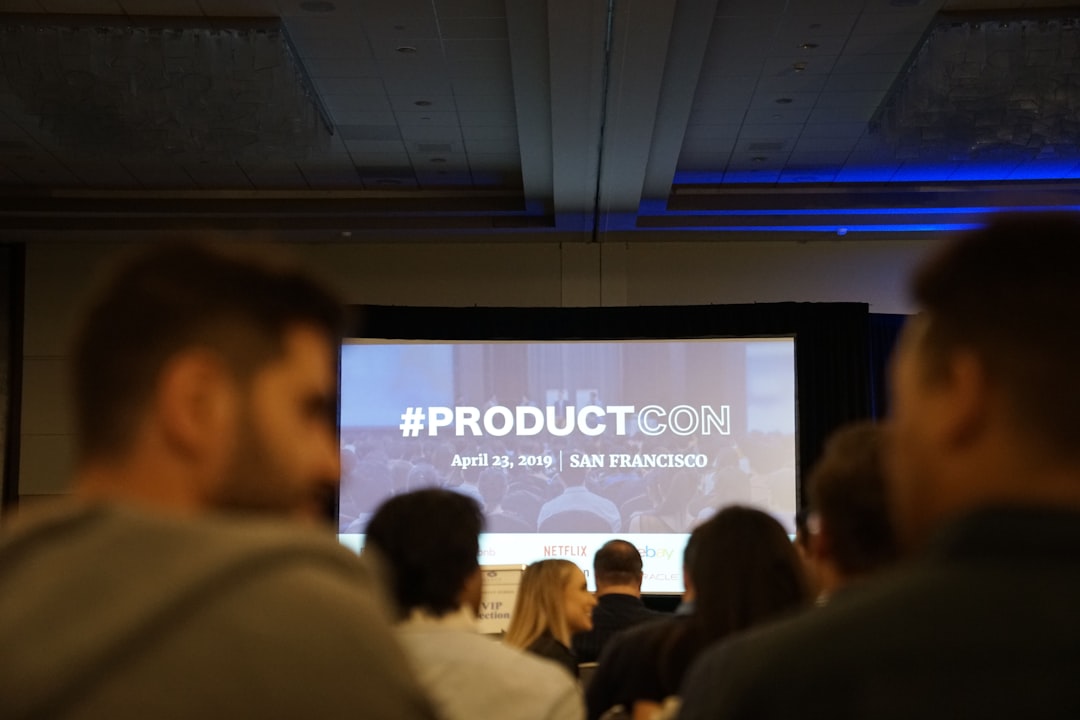
Before launch, the team should confirm that analytics tools are active, backups are configured, error monitoring is working, and support channels are ready. A soft launch or beta release may be useful for collecting feedback from a smaller group before a wider public release.
Step 9: Post-Launch Improvement
After launch, product development continues. Real users will reveal new needs, usability issues, performance problems, and feature opportunities. The outsourced team may remain involved to provide maintenance, bug fixes, analytics review, feature development, and infrastructure optimization.
Post-launch success depends on tracking the right metrics. These may include user activation, retention, churn, conversion rate, revenue, feature usage, customer satisfaction, and support requests. Data should guide future improvements instead of guesswork.
How to Choose the Right Outsourced Development Partner
Selecting the right partner is critical. A company should evaluate not only technical skills but also communication style, product thinking, transparency, and cultural fit.
- Review relevant experience: The partner should show examples of similar products or industries.
- Assess discovery capabilities: A strong partner asks business questions, not only technical ones.
- Check development process: Agile planning, documentation, QA, and reporting should be clearly explained.
- Confirm ownership terms: Contracts should define code ownership, intellectual property, and access rights.
- Evaluate communication: Regular updates, clear escalation paths, and responsive project management are essential.
Conclusion
Outsourced software product development services can help companies move from idea validation to product launch with greater speed and expertise. The most effective projects begin with a validated problem, a focused MVP, thoughtful design, solid architecture, and disciplined execution. When the right partner is chosen, outsourcing becomes more than a delivery model; it becomes a product growth strategy.
FAQ
What is outsourced software product development?
It is the process of hiring an external team to design, build, test, launch, and maintain a software product.
Is outsourcing suitable for startups?
Yes. Startups often use outsourcing to build MVPs, access experienced talent, and launch faster without hiring a full internal team.
How long does it take to build an MVP?
The timeline depends on scope and complexity, but many MVPs take several weeks to a few months to design, develop, and test.
What should a company prepare before contacting an outsourcing partner?
It should prepare a basic product idea, target audience, business goals, known competitors, desired features, and budget expectations.
Who owns the source code after development?
Ownership should be defined in the contract. In most professional outsourcing agreements, the client receives ownership of the source code and related intellectual property after payment terms are met.


Data Enrichment Best Practices: Clay vs. Apollo.io for Improving CRM Accuracy
Clay is usually the better choice for CRM accuracy when a team needs flexible enrichment, custom workflows, and cleaner account…