
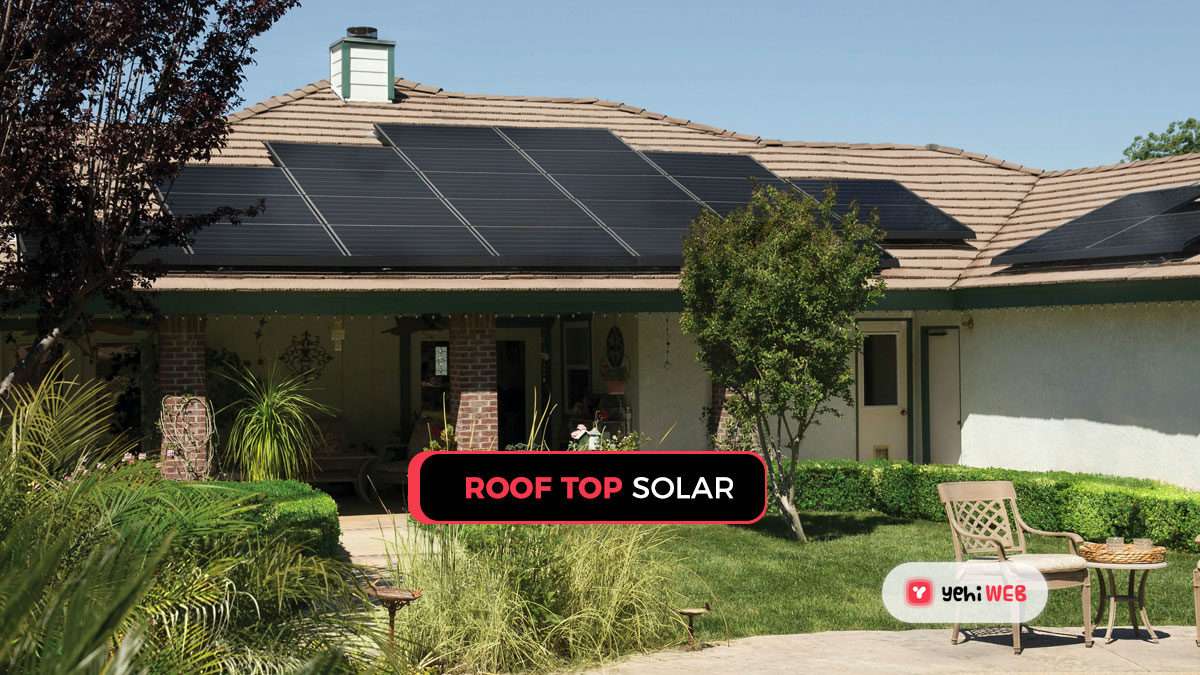

Solar energy systems have become increasingly popular as homeowners and businesses seek cleaner, more cost-effective power solutions. However, installing solar panels is only part of the equation. To truly maximize return on investment and improve efficiency, users need clear visibility into how their systems perform. Solar panel monitoring apps provide real-time data, performance analytics, and actionable insights that help users optimize energy consumption and detect issues early.
TLDR: Solar panel monitoring apps allow users to track energy production, monitor system health, and optimize electricity usage in real time. These tools provide data visualizations, automated alerts, and performance comparisons to maximize savings. Many platforms integrate with smart home systems for deeper energy control. Choosing the right app depends on system compatibility, level of detail required, and user goals.
Why Solar Monitoring Matters
Solar panels operate continuously when exposed to sunlight, but without monitoring tools, it can be difficult to know whether the system is performing at its full potential. Shading, dirt buildup, inverter malfunctions, or wiring issues can reduce efficiency significantly. A monitoring app provides clarity through consistent performance tracking.
Effective monitoring delivers several key benefits:
- Real-time production tracking
- Early detection of performance issues
- Energy usage optimization
- Historical performance analysis
- Improved return on investment
Instead of waiting for a spike in the electric bill to indicate a problem, users receive instant alerts and performance comparisons.
Core Features of Solar Panel Monitoring Apps
Most high-quality solar monitoring platforms share several foundational capabilities. While the sophistication varies, core features typically include:
1. Real-Time Energy Tracking
Users can view how much electricity their system is producing at any given moment. This data is often presented in easy-to-read graphs or dashboards.
2. Consumption Monitoring
Some advanced apps track both production and household consumption. This view provides a complete energy picture, helping users decide when to run high-energy appliances.
3. Historical Data Analytics
Daily, weekly, monthly, and yearly reports allow for long-term performance analysis. Seasonal variations and trends become easier to interpret.
4. System Health Alerts
Apps notify users when output drops below expected levels or when technical issues arise, such as inverter faults or connectivity interruptions.
5. Environmental Impact Tracking
Many apps calculate carbon offset metrics, showing how much CO₂ emissions have been avoided through solar use.
Image not found in postmetaHow Monitoring Apps Help Optimize Energy Usage
Optimization goes beyond observing production numbers. Monitoring platforms enable strategic energy decisions.
Load Shifting
By understanding peak production hours, users can run energy-intensive appliances—such as washing machines, dishwashers, or electric vehicle chargers—during optimal times. This reduces reliance on grid electricity.
Battery Integration Insights
For homes with battery storage systems, monitoring apps display charge levels and energy flow. Users can determine whether to store excess energy or feed it back to the grid.
Time-of-Use Planning
In regions with variable electricity pricing, apps help users consume more solar power when grid prices are high, reducing overall costs.
Performance Benchmarking
Some apps compare a system’s output against similar installations in the area, allowing users to see whether their array is underperforming.
Popular Solar Panel Monitoring Apps
While compatibility depends on the brand of panels and inverters, several widely recognized monitoring solutions provide comprehensive optimization tools.
1. Enphase Enlighten
- Module-level monitoring
- Real-time system health alerts
- User-friendly mobile interface
- Detailed performance reports
2. SolarEdge Monitoring App
- Panel-level analytics
- Inverter status tracking
- Battery integration data
- Advanced troubleshooting features
3. Tesla Energy App
- Solar and Powerwall integration
- Energy flow visualization
- Storm watch preparedness features
- Time-based control settings
4. SMA Sunny Portal
- Comprehensive system data tracking
- Customizable dashboards
- Detailed exportable reports
- Professional-grade analytics
5. Sense Energy Monitor (Solar Version)
- Whole-home energy tracking
- Device-level consumption insights
- Solar production comparison
- Smart alerts for unusual usage patterns
Comparison Chart of Leading Solar Monitoring Apps
| App | Real-Time Monitoring | Panel-Level Data | Battery Integration | Consumption Analytics | Best For |
|---|---|---|---|---|---|
| Enphase Enlighten | Yes | Yes | Limited | Moderate | Detailed panel tracking |
| SolarEdge Monitoring | Yes | Yes | Yes | Moderate | Integrated solar systems |
| Tesla Energy | Yes | No | Yes | Moderate | Solar plus storage users |
| SMA Sunny Portal | Yes | System level | Optional | Advanced | Professionals and businesses |
| Sense Solar | Yes | No | No | Advanced device tracking | Whole-home optimization |
Key Factors to Consider When Choosing an App
Selecting the right solar monitoring app depends on several considerations:
- Compatibility: Ensure the app works with the installed inverter and panel brand.
- Level of Detail: Determine whether module-level tracking or overall production data is sufficient.
- Battery Integration: Essential for users with energy storage systems.
- User Experience: Interface clarity affects usability.
- Cost: Some solutions are free with equipment purchase, while others require subscription fees.
Business Applications of Solar Monitoring
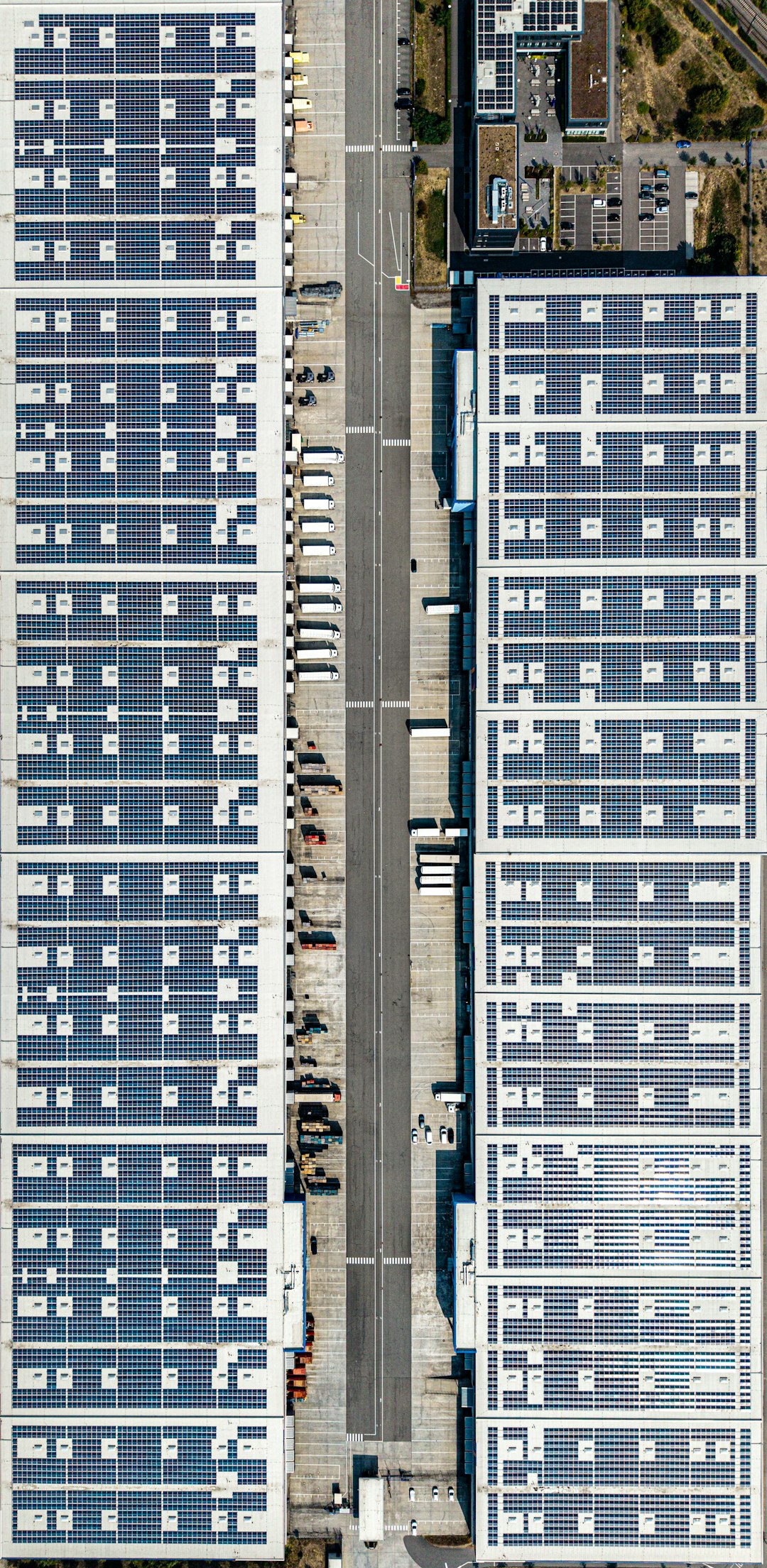
Commercial solar installations often involve larger and more complex systems. Monitoring apps help facility managers manage operating costs and maintain uptime.
Benefits for businesses include:
- Performance audits across multiple locations
- Automated maintenance scheduling
- Energy cost forecasting
- Sustainability reporting for stakeholders
Detailed reports generated by monitoring platforms can support corporate sustainability initiatives and regulatory compliance documentation.
Future Trends in Solar Monitoring Technology
The evolution of solar monitoring apps is closely tied to advances in smart home integration, artificial intelligence, and predictive analytics.
Emerging features include:
- AI-driven efficiency recommendations
- Predictive maintenance alerts
- Voice assistant compatibility
- Integration with electric vehicle charging systems
- Dynamic pricing optimization tools
As energy systems become more interconnected, monitoring apps are evolving into comprehensive energy management platforms rather than simple tracking tools.
Conclusion
Solar panel monitoring apps play a critical role in maximizing the value of renewable energy investments. By offering real-time tracking, system diagnostics, and actionable consumption insights, these platforms empower users to make informed energy decisions. Whether for residential or commercial use, the right monitoring application turns raw data into meaningful savings and improved sustainability. As technology advances, these tools will become even more intelligent, offering predictive capabilities and deeper smart home integration.
Frequently Asked Questions (FAQ)
1. Are solar panel monitoring apps free?
Many apps are included with the purchase of solar equipment, particularly from major inverter manufacturers. However, some advanced features or third-party monitoring services may require subscription fees.
2. Can monitoring apps reduce electricity bills?
Yes. By identifying peak production times and encouraging load shifting, monitoring apps help users rely more on solar energy and less on grid electricity, lowering overall costs.
3. Do all solar systems come with monitoring capabilities?
Most modern systems include at least basic monitoring. Older systems may require additional hardware to enable app-based tracking.
4. What happens if the app detects a system issue?
The app typically sends an alert detailing the problem. Users can then contact installers or technicians to resolve the issue before it escalates.
5. Can solar monitoring apps work without internet access?
Solar systems continue producing energy without internet connectivity, but monitoring data will not be accessible remotely until the connection is restored.
6. Are these apps secure?
Reputable providers use encrypted connections and secure servers to protect user data. Users should ensure their home WiFi network is also secured.
7. Is panel-level monitoring necessary?
Panel-level monitoring provides more detailed performance data and faster fault detection. While not mandatory, it is beneficial for larger or more complex solar installations.


Web Page Terms and Conditions: WordPress vs Wix for Adding Website Legal Pages
Most small businesses should choose WordPress for flexible legal pages and Wix for fast, simple publishing. WordPress powers about 43%…