


Building a SaaS company can feel like building a spaceship while already flying it. At first, everyone grabs a wrench. Later, someone finally labels the buttons. The org chart grows in the same way. It starts tiny, messy, and brave. Then it becomes structured, specialized, and full of people with calendars.
TLDR: A SaaS org chart usually starts with founders doing almost everything. As the company grows, teams form around product, engineering, sales, marketing, customer success, finance, and people operations. At enterprise scale, each function becomes more specialized, with leaders, managers, and clear reporting lines. The goal is simple: help the company build, sell, support, and improve the product without chaos winning.
The Big Idea: SaaS Companies Grow in Layers
A SaaS company sells software as a service. That means customers pay again and again. Usually monthly. Sometimes yearly. This makes the org chart special.
The company must do four big things well:
- Build a great product.
- Sell it to the right customers.
- Support those customers after they buy.
- Keep improving so customers stay happy.
At every stage, these jobs exist. But the people doing them change. In the beginning, one person may own five jobs. Later, five teams may own one job.
That is the magic and madness of SaaS scaling.

Stage 1: The Tiny Startup Org Chart
This is the “pizza team” stage. If the whole company can eat two pizzas and still have leftovers, you are here.
The org chart is simple. Maybe too simple.
- CEO or Founder: Sets the vision. Talks to customers. Raises money. Fixes the coffee machine.
- CTO or Technical Founder: Builds the product. Chooses the tech stack. Sleeps near the laptop.
- Founding Engineer: Writes code fast. Breaks things. Fixes things faster.
- Product or Design Person: Turns customer pain into screens, flows, and features.
- Growth or Sales Generalist: Finds leads. Sends emails. Runs demos. Posts on social.
In this stage, titles are loose. A marketer may write help docs. An engineer may join sales calls. The CEO may answer support tickets at midnight.
This is normal.
The main goal is not “perfect structure.” The main goal is survival. The company needs to prove that people want the product. This is often called product market fit.
A typical tiny SaaS org chart may look like this:
- CEO
- Sales
- Marketing
- Fundraising
- Customer calls
- CTO
- Engineering
- Infrastructure
- Security basics
- Product Lead
- Design
- User research
- Roadmap notes
It is not elegant. But it moves fast. Very fast. Sometimes too fast. Like a shopping cart with rocket boosters.
Stage 2: Early Growth, Around 10 to 50 People
Now the company has customers. Real ones. They ask questions. They request features. They churn if ignored. Suddenly, “we will get to it later” stops working.
This is when the org chart begins to split into clear departments.
The first major teams are often:
- Engineering
- Product
- Sales
- Marketing
- Customer Success
- Operations or Finance
The CEO still wears many hats. But some hats are finally handed to other people. This is healthy. Founders cannot be the whole circus forever.
Engineering
Engineering becomes a small team. There may be frontend engineers, backend engineers, and maybe one DevOps person. If the product is complex, quality assurance may appear too.
The team still moves quickly. But now it needs process. Pull requests. Sprints. Bug tracking. Release notes. All the very glamorous stuff.
Product
Product becomes the bridge between customers, business goals, and engineering work.
A product manager may join. This person decides what to build next. Not by magic. By research, data, and many conversations.
Design also becomes more important. A SaaS product must not feel like a haunted spreadsheet. Users need a clean experience.
Sales
Sales may start as founder led. Then the company hires its first account executive. This is a big moment. It means selling must become repeatable.
Common early sales roles include:
- Sales Development Representative: Finds and qualifies leads.
- Account Executive: Runs demos and closes deals.
- Sales Lead: Builds the first sales playbook.
Marketing
Marketing stops being “post when we remember.” It becomes a real machine.
Early marketing may include content, paid ads, email, search, webinars, and product marketing. One person may still do all of this. Please send snacks.
Customer Success
Customer success is crucial in SaaS. The sale is not the finish line. It is the starting line.
Customer success helps users get value from the product. They onboard customers. They answer questions. They spot churn risk. They turn happy customers into fans.
In SaaS, keeping customers is often cheaper than finding new ones.
Stage 3: Scaling Up, Around 50 to 250 People
At this stage, the company has real momentum. Revenue is growing. Teams are bigger. The product has more features. Customers expect more polish.
The org chart now needs managers. Not because managers are fancy. Because communication gets harder.
When a company has 15 people, everyone knows what is happening. When it has 150 people, everyone thinks someone else knows what is happening.
This is when leadership layers form.
Common executive roles include:
- CEO: Company vision, strategy, investors, big decisions.
- CTO: Technology strategy, architecture, engineering leadership.
- CPO: Product strategy, roadmap, customer needs.
- CRO: Revenue across sales, partnerships, and sometimes customer success.
- CMO: Marketing strategy, demand generation, brand, positioning.
- CFO: Finance, planning, reporting, budgets.
- COO: Operations, systems, cross team execution.
- CHRO or Head of People: Hiring, culture, performance, employee experience.
Not every SaaS company has all these roles yet. Some combine them. Some delay them. Some invent titles that sound like wizard ranks. But the functions still exist.
Engineering Splits Into Squads
Engineering often moves from one big group into squads or pods. Each squad owns part of the product.
For example:
- Core Product Squad: Main user experience.
- Platform Squad: APIs, infrastructure, shared services.
- Data Squad: Analytics, reporting, data pipelines.
- Security Squad: Permissions, compliance, risk reduction.
This helps teams move faster without stepping on each other. Mostly.
Product Gets More Specialized
Product may include product managers, UX designers, researchers, and product operations.
Product operations keeps the product machine tidy. They manage feedback systems, roadmap tools, launch checklists, and product data. Basically, they stop the roadmap from becoming a junk drawer.
Sales Gets Segmented
Sales no longer treats every customer the same. A tiny startup customer and a giant enterprise customer need different sales motions.
Sales may split into:
- SMB Sales: Small business deals. Faster cycles.
- Mid Market Sales: Larger customers. More stakeholders.
- Enterprise Sales: Big deals. Long cycles. Many meetings.
- Sales Operations: Tools, reports, territories, forecasting.
- Partnerships: Channel sales, agencies, integrations, alliances.
At this point, salespeople talk about pipeline a lot. Pipeline becomes a sacred word. Treat it with respect.
Marketing Becomes a Full Funnel Team
Marketing expands beyond awareness. It supports the whole funnel.
A scaling SaaS marketing team may include:
- Demand Generation: Brings in qualified leads.
- Content Marketing: Creates articles, guides, videos, and reports.
- Product Marketing: Positioning, messaging, launches, sales enablement.
- Brand Marketing: Story, identity, trust, reputation.
- Marketing Operations: Automation, attribution, campaign tracking.
The goal is simple. Help the right people understand why the product matters.
Customer Success Becomes a Revenue Engine
Customer success now has layers too. There may be onboarding specialists, customer success managers, support agents, technical account managers, and renewal managers.
This team protects recurring revenue. It also grows accounts through upsells and expansions.
If sales brings customers in the front door, customer success keeps them from sneaking out the back window.
Stage 4: Enterprise Scale, 250 to 1,000 Plus People
Now we are in big company land. There are departments, sub departments, regions, policies, planning cycles, and more acronyms than any human deserves.
The org chart becomes wide and deep. This is not automatically bad. Large companies need structure. They serve more customers. They face more risk. They must coordinate at scale.
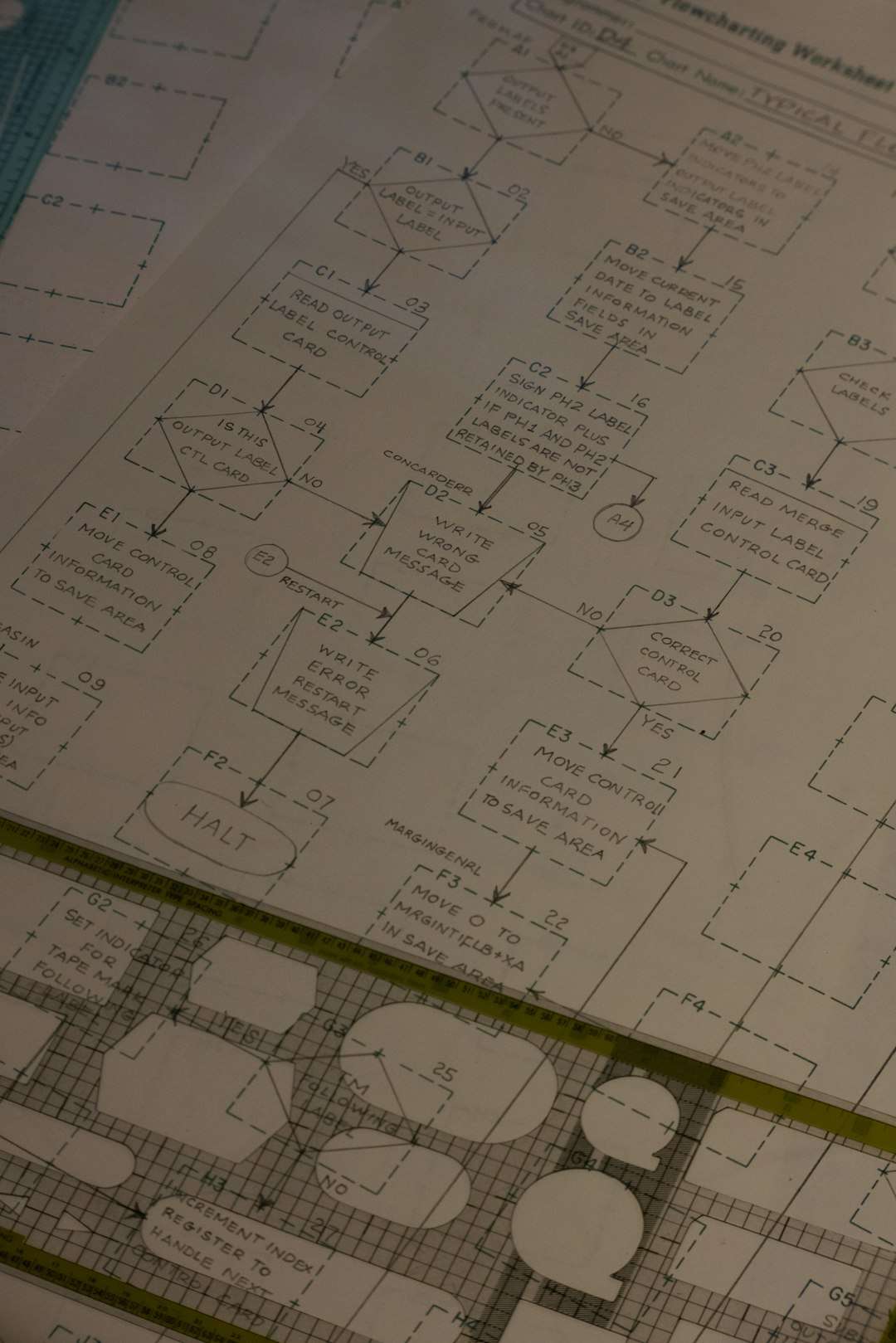
At enterprise scale, a SaaS org chart usually has these major branches:
- Executive Leadership
- Product and Design
- Engineering and Technology
- Revenue Organization
- Marketing
- Customer Success and Support
- Finance and Legal
- People and Talent
- Operations and IT
- Security, Compliance, and Risk
The Executive Team
The executive team sets direction. They decide where the company is going and how resources are used.
They also align teams. This matters a lot. Without alignment, product builds one thing, sales promises another thing, and customer success gets hit by the flying furniture.
Product, Design, and Research
At enterprise size, product may have general managers. Each one owns a product line or major area.
There may be directors of product, group product managers, senior product managers, UX directors, researchers, content designers, and design system teams.
The design system team deserves applause. They make buttons behave like buttons everywhere. This sounds small. It is not.
Engineering and Technology
Engineering becomes a large organization. It may include platform engineering, product engineering, site reliability engineering, data engineering, machine learning, infrastructure, internal tools, and architecture.
There are also engineering managers, directors, vice presidents, principal engineers, and staff engineers.
Managers help people and projects move well. Senior individual contributors help with deep technical direction. Both paths matter.
The Revenue Organization
Many enterprise SaaS companies use a revenue organization led by a Chief Revenue Officer.
This may include:
- Sales
- Sales Development
- Revenue Operations
- Partnerships
- Account Management
- Solutions Engineering
Solutions engineers are the technical heroes of complex sales. They explain how the product works. They answer hard questions. They build demos that make prospects say, “Oh, nice.”
Marketing at Enterprise Scale
Enterprise marketing is often global. It may include regional teams, field marketing, analyst relations, public relations, community, lifecycle marketing, and customer marketing.
Customer marketing is especially useful. Happy customers make strong stories. Case studies and references can help close big deals.
Customer Success and Support
At large scale, customer success often splits by customer size, region, or product line.
Support may include tiers. Tier one handles common questions. Tier two handles harder issues. Tier three may work closely with engineering.
There may also be professional services. This team helps large customers implement the product. They may manage migrations, training, integrations, and custom setup.
How Reporting Lines Usually Work
In a simple SaaS org chart, department heads report to the CEO. Their teams report to them. Managers sit in the middle.
A basic version looks like this:
- CEO
- CTO or VP Engineering
- CPO or VP Product
- CRO or VP Sales
- CMO or VP Marketing
- CFO or Head of Finance
- COO or Head of Operations
- Head of People
As the company grows, one leader may manage several directors. Each director may manage managers. Each manager may lead individual contributors.
The trick is to avoid too many layers too soon. Layers can help. They can also slow things down. A good org chart creates clarity, not a maze.
Common Mistakes When Scaling the Org Chart
Growth is exciting. It can also get weird. Here are common org chart mistakes.
- Hiring leaders too late: Teams become messy and tired.
- Hiring leaders too early: The company gets process before it has motion.
- Confusing titles with ownership: A fancy title does not fix unclear work.
- Forgetting customer success: Churn quietly eats the business.
- Underinvesting in operations: Tools, data, and processes become spaghetti.
- Letting teams become silos: Everyone gets busy, but not always together.
The best org charts are living documents. They change as the company changes. They should match the business model, customer type, product complexity, and growth stage.
A Simple Rule for Every Stage
Ask this question often:
“What work is most important now, and who clearly owns it?”
If nobody owns it, assign it. If three people own it, clarify it. If the wrong person owns it, move it. Simple does not always mean easy. But it helps.
Final Thoughts
A SaaS org chart is like a map for a growing city. At first, there is one road, one coffee shop, and a very tired founder. Later, there are neighborhoods, highways, teams, leaders, and traffic rules.
The goal is not to build a giant hierarchy. The goal is to help people do great work together. A strong org chart gives clarity. It shows who owns what. It helps teams move faster with less confusion.
Start small. Add structure when pain appears. Keep customers at the center. And remember: every enterprise giant was once a tiny team arguing over feature names in a crowded room.



Best DNS for Twitch Ad Blocking: NextDNS vs Pi-hole
NextDNS is the better pick for most people, but neither NextDNS nor Pi-hole can fully block Twitch video ads with…