


Selling a home can feel encouraging at first when the showing requests start rolling in. Buyers are walking through, agents are giving polite feedback, and your home is clearly getting attention. But if weeks pass with lots of showings and zero offers, that attention may be telling you something important: people are interested enough to look, but something is stopping them from taking the next step.
TLDR: If your home has plenty of showings but no offers, it is usually not a visibility problem; it is a conversion problem. The most common causes include pricing, presentation, condition, competition, or buyer uncertainty. The good news is that small strategic changes can often turn showings into serious offers quickly.
1. The Price Is Close, But Still Too High
One of the most common reasons a home gets showings but no offers is that the price is almost right, but not quite. Buyers may be curious enough to tour it, especially if the photos look appealing, but once they compare it with similar homes, they may decide it does not offer enough value.
This is especially true in markets where buyers have options. If another home nearby has an updated kitchen, better layout, larger yard, or lower price, your home may become the “comparison property” rather than the one they choose.
How to fix it:
- Review recent comparable sales, not just active listings.
- Look closely at homes that went under contract quickly.
- Consider a meaningful price adjustment rather than a tiny one that buyers ignore.
- Ask your agent what price would make buyers feel urgency.
A price reduction is not a failure. It is often the adjustment that moves your home from “interesting” to “worth writing an offer on.”
2. The Photos Got Buyers In, But the Home Disappointed in Person
Professional photography is powerful, but it can create a problem if the home does not match the expectation. Wide-angle lenses, bright editing, and clever angles may make rooms look larger, lighter, or more updated than they feel during a showing.
When buyers walk in expecting one thing and experience another, the emotional shift can be disappointing. They may still finish the tour politely, but they leave without excitement.
How to fix it: Make sure your listing photos are attractive but honest. If a room is small, stage it to feel functional instead of relying on camera tricks. If natural light is limited, use warm lighting and light-colored decor to improve the real experience.
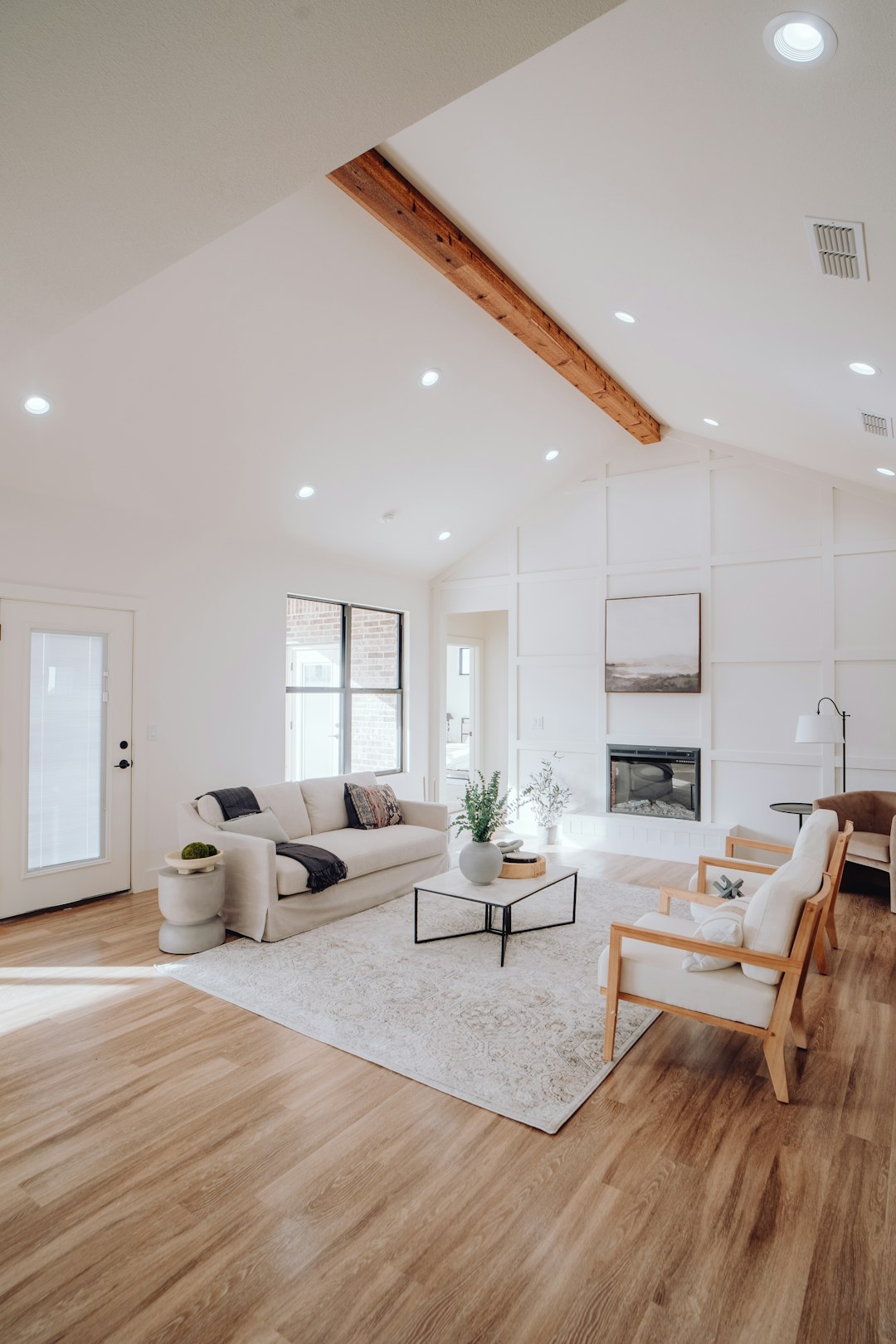
3. The Home Does Not Feel Move-In Ready
Many buyers today are already stretched by interest rates, closing costs, moving expenses, and down payments. Even small repairs can feel like big obstacles. Peeling paint, worn carpet, loose handles, cracked tiles, dripping faucets, and scuffed walls can make buyers wonder what else has been neglected.
A home does not need to be fully renovated to sell well, but it should feel cared for. Buyers are more likely to offer when they feel confident, not when they are mentally building a repair list.
How to fix it:
- Patch holes and repaint high-traffic areas.
- Repair obvious maintenance issues before the next showing.
- Replace burned-out bulbs and broken fixtures.
- Deep clean kitchens, bathrooms, baseboards, and windows.
Fresh, clean, and well-maintained often matters more than trendy.
4. The Staging Is Not Helping Buyers Picture Themselves There
Buyers are trying to imagine their future life in your home. If the space is cluttered, overly personalized, dark, or awkwardly arranged, that imagination becomes harder. Family photos, bold decor, bulky furniture, hobby equipment, pet items, and crowded closets can all distract from the home itself.
Staging is not about making a house look generic. It is about helping buyers understand the best use of each space and feel emotionally comfortable there.
How to fix it: Remove excess furniture, clear countertops, organize closets, and create simple room purposes. A spare room should not look like a storage unit; it should suggest an office, guest room, or nursery. Use neutral colors, soft textures, and simple accents to make the home feel calm and inviting.
5. Buyers Are Finding Better Options Nearby
Your home is not being judged in isolation. Every buyer is comparing it with other homes they toured that week. You might think your property is priced fairly, but if similar homes offer more updates, better curb appeal, larger square footage, or stronger incentives, buyers may pass.
This is why feedback like “nice home, but we chose another one” matters. It means your listing is competitive enough to be considered, but not compelling enough to win.
How to fix it: Study your direct competition. Look at homes in the same price range, school district, neighborhood, and condition category. Then ask: Why would a buyer choose this home over those? If the answer is unclear, consider improving value through price, repairs, staging, or incentives.

6. There Is a Specific Deal Breaker
Sometimes one feature consistently kills buyer interest. It might be a steep driveway, small backyard, unusual layout, dated kitchen, nearby road noise, lack of storage, or bedroom count. You cannot always change the issue, but you can change how buyers perceive it.
For example, a small yard may become more appealing if staged with cozy seating and planters. A dated kitchen may feel less concerning if it is spotless, bright, and paired with a realistic price. A basement with low natural light may work better when shown as a media room or gym.
How to fix it: Identify repeating feedback patterns. If multiple buyers mention the same concern, do not dismiss it. Either improve it, compensate for it in the price, or market the home toward buyers who will care less about that particular drawback.
7. Showing Conditions Are Hurting the Experience
Even a beautiful home can lose buyers if the showing experience feels uncomfortable. Strong odors, barking dogs, poor lighting, uncomfortable temperature, loud televisions, or sellers being present can all make buyers want to leave quickly.
Buyers need space to talk openly, open closets, discuss furniture placement, and imagine living there. If they feel rushed, watched, or distracted, they may not connect with the home.
How to fix it:
- Leave the property for every showing if possible.
- Take pets out of the home or arrange safe, quiet containment.
- Set the temperature to a comfortable level.
- Turn on lights and open curtains before showings.
- Remove odors rather than masking them with heavy fragrance.
Comfort matters. A relaxed buyer stays longer, notices more, and is more likely to become emotionally invested.
8. The Listing Is Attracting the Wrong Buyers
If your marketing emphasizes the wrong features, you may be drawing in buyers who are not the best fit. For example, if the listing highlights “investment potential” when the home is better suited for a first-time buyer, the wrong audience may show up. If photos focus on decor instead of layout, buyers may miss the home’s practical strengths.
Your listing should tell a clear story. Is the home perfect for commuters? Growing families? Downsizers? Remote workers? Entertainers? Buyers respond when they quickly understand why a home fits their lifestyle.
How to fix it: Update the listing description to emphasize the strongest selling points. Mention useful features such as storage, flexible rooms, outdoor living, commute access, recent upgrades, energy efficiency, or neighborhood amenities. Make sure the first few photos showcase the most compelling spaces.

What to Do Next
If your home is getting showings but no offers, do not panic. Showings mean buyers are seeing enough value to visit. The key is figuring out why they are not moving forward.
Start by reviewing feedback carefully, comparing your home with active and recently sold listings, and looking at the property through a buyer’s eyes. Then make targeted changes rather than random ones. Sometimes the fix is a price adjustment. Sometimes it is better staging, small repairs, cleaner presentation, improved marketing, or a stronger incentive.
A helpful rule: If you have had 10 to 15 serious showings with no offers, it is time to change something. The market is giving you information. The faster you respond to it, the better your chances of turning interest into action.
In the end, buyers make offers when three things line up: value, confidence, and emotion. If your home is being shown often but not selling, one of those pieces is probably missing. Find it, fix it, and your next showing may be the one that finally brings an offer.



Data Enrichment Best Practices: Clay vs. Apollo.io for Improving CRM Accuracy
Clay is usually the better choice for CRM accuracy when a team needs flexible enrichment, custom workflows, and cleaner account…